

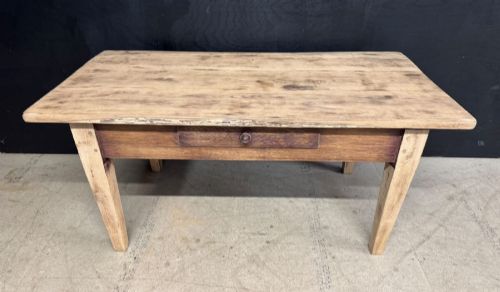
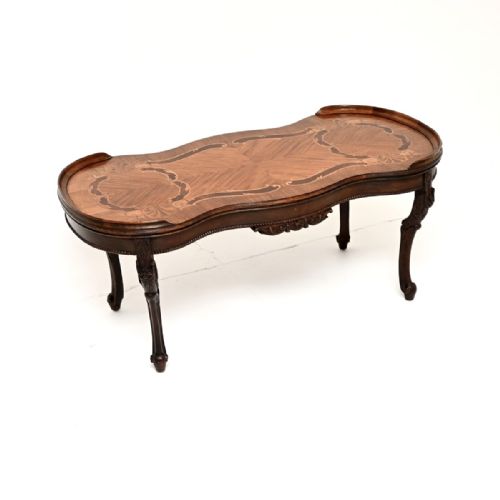
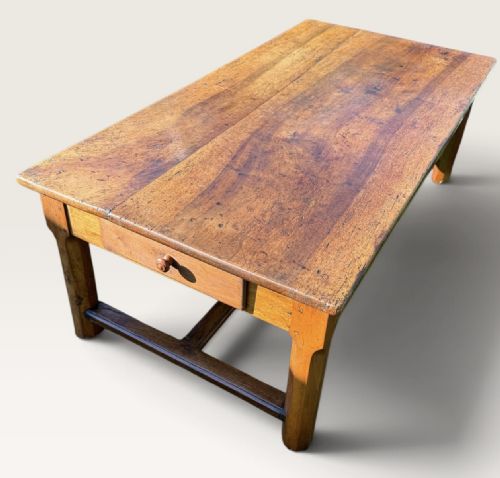
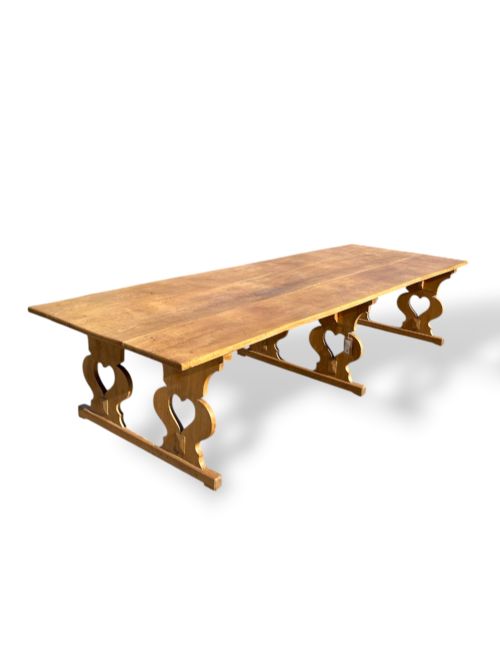


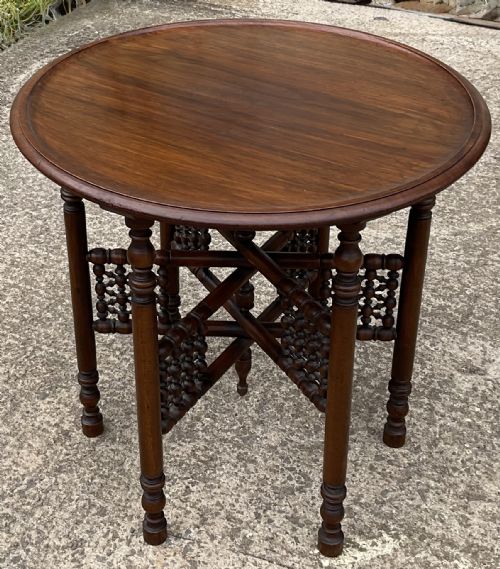

Low Wooden Center Table
A low wooden centre table brings practical surface space to a seating area while grounding the room with warmth.
Low Wooden Center Table
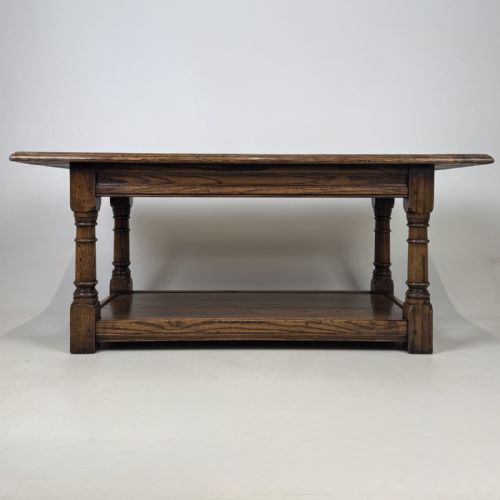
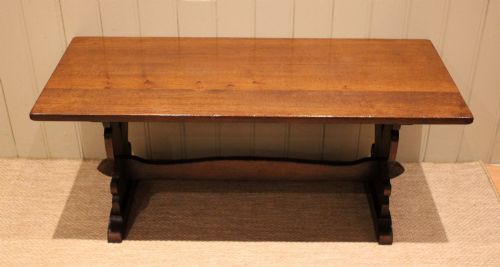
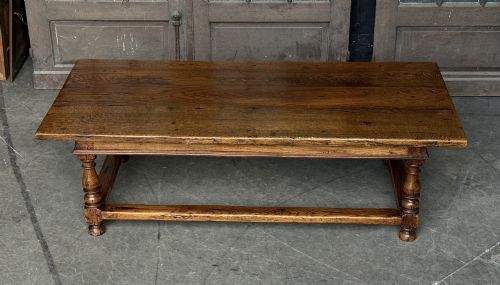
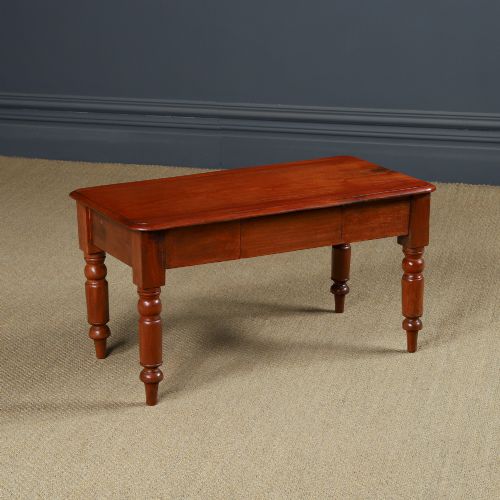
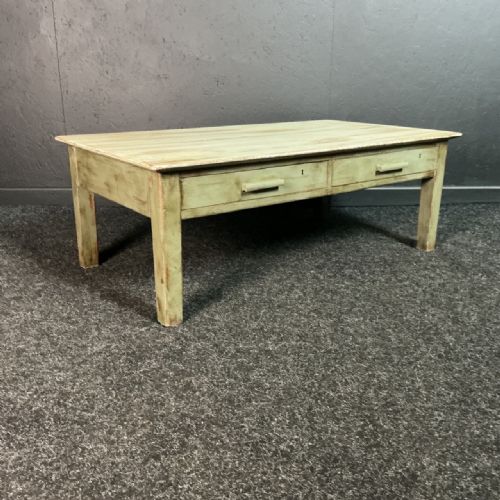
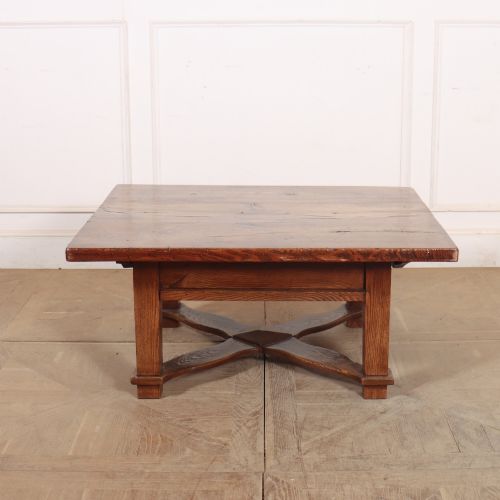
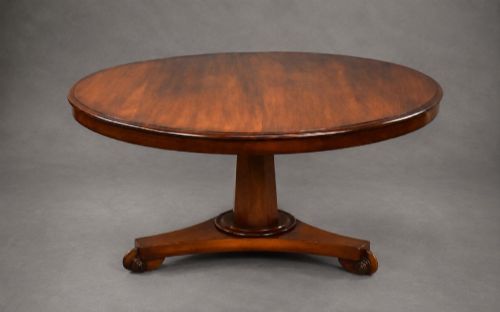
A low wooden centre table provides a central surface for living spaces, drawing on forms created across multiple centuries. These pieces appear in styles ranging from Victorian mahogany designs to rustic pine and oak farmhouse tables.
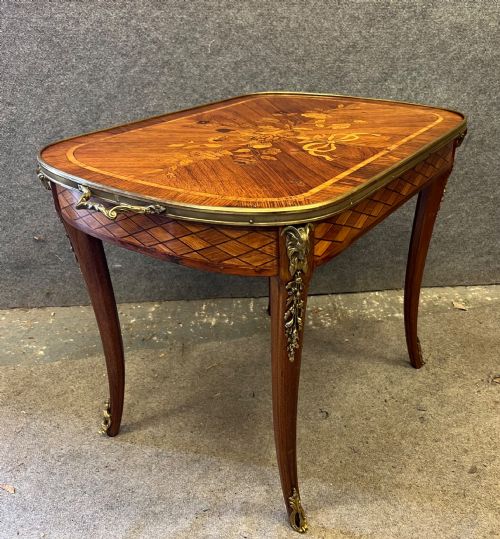
Buyers will encounter various formats on this page, including round coffee tables, occasional tables, and low tables derived from larger regional forms. Walnut, oak, and mahogany dominate the selection, often featuring turned legs or marquetry inlay.
Origins span English, French, Italian, and Austrian workshops, alongside examples from India. The selection bridges formal period furniture and rustic country items suited to contemporary daily use.
Materials and construction methods
Construction relies predominantly on timbers such as walnut, oak, mahogany, and pine, sometimes enhanced by fruitwood, elm, or birch. Artisans applied specialised techniques like oyster veneering, marquetry inlay, and hand-carved bases to ornament the surfaces.
Many examples utilise turned legs or structural frames of solid hardwood, while others incorporate marble inserts or brass details. Cabinetmakers selected figured grain patterns, including burr walnut, to create visual interest on the table tops.
Low Wooden Center Table Retail Price Guide 2026
Typical asking prices for low wooden center table among the pieces listed under this phrase on Sellingantiques today, from the lower quarter to the upper quarter. They describe what is for sale here now, not the wider market.
The selection includes regional variations such as French farmhouse pieces, Italian Sorrento inlaid tables, and Indian takhat forms.
Distinctions in quality
Quality depends on the selection of timber and the precision of decorative work, such as intricate marquetry or hand-carving. Tables featuring figured grain, such as burr walnut or figured mahogany, demonstrate superior material choice by the maker.
Construction integrity separates standard pieces from finer examples, evident in stable joinery, well-turned legs, and carefully fitted veneers. The integration of secondary materials like marble or brass hardware also indicates the standard of production.
The Low Wooden Center Table Glossary
- Marquetry
- The art of applying decorative pieces of veneer to a structure to form intricate designs. This technique frequently appears on Victorian and early twentieth-century tabletops.
- Burr walnut
- Timber taken from a growth on a walnut tree, yielding complex and highly figured grain patterns. Cabinetmakers utilised this wood for decorative table surfaces.
- Oyster veneer
- Thin slices of wood cut cross-wise from small branches to produce circular or oval patterns resembling oyster shells. Artisans applied these veneers to create patterned surfaces on period tables.
- Takhat
- A low, heavy wooden table originating from India, often constructed from dense hardwoods and used traditionally for sitting or serving.
Low Wooden Center Table: Frequently Asked Questions
How do I style a low wooden centre table?
Balance the surface by combining practical items with decorative objects of varying height and texture. Leave enough clear space for daily use while using the timber surface to anchor the room.
Incorporate books, ceramics, or small trays to break up the expanse of wood. Consider the scale of surrounding seating to ensure the table remains accessible.
Are these tables sturdy enough for daily use?
Most solid wood and hardwood tables are built to withstand everyday demands. Solid construction in oak, mahogany, or walnut provides natural durability for living environments.
Proper care prevents surface damage from daily traffic and placement of objects. Periodic maintenance keeps the timber joints and finishes stable over time.
How do I maintain a vintage wooden table top?
Protect the timber finish by using coasters and avoiding direct exposure to excessive heat or moisture. Regular dusting with a soft cloth preserves the natural lustre of the wood.
Apply appropriate wax or polish sparingly to nourish older surfaces without buildup. Avoid harsh chemical cleaners that can strip historic polishes or veneers.