



Low Seat Easy Chair
A low seat easy chair offers deep comfort and relaxed proportions, making it a favoured choice for traditional living rooms and libraries.
Low Seat Easy Chair
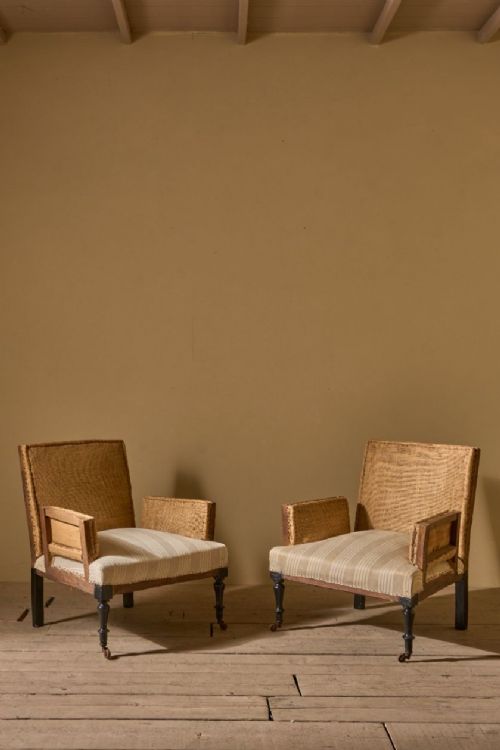
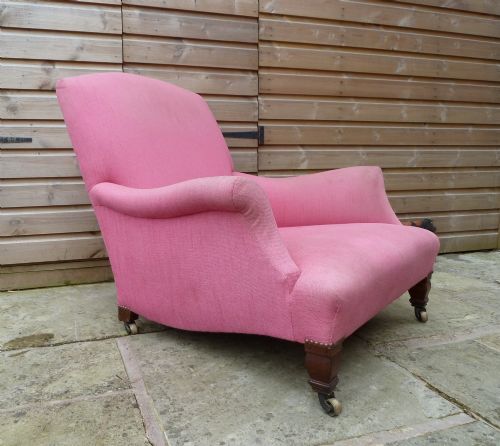
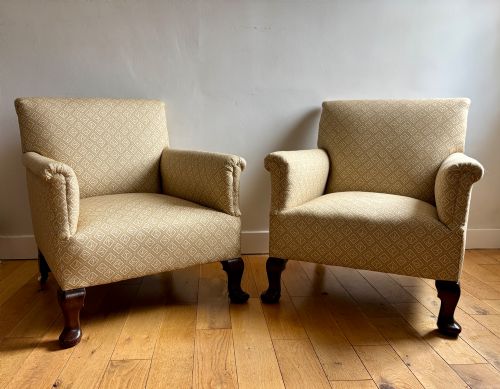
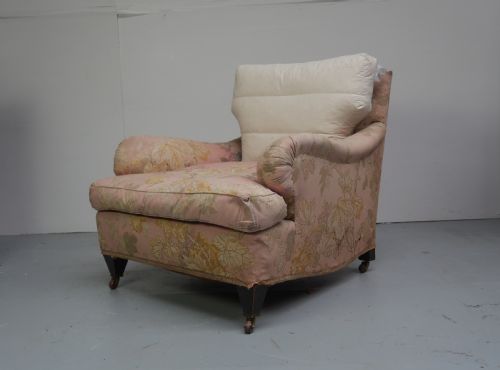
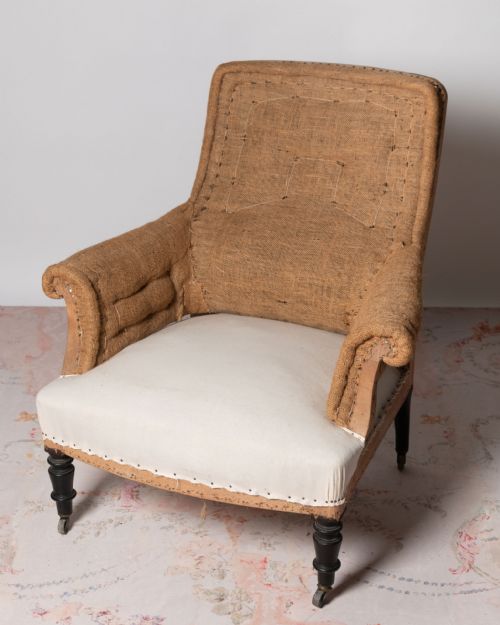
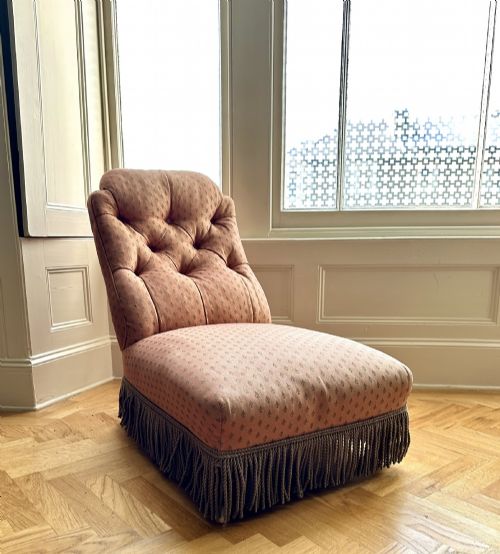
A low seat easy chair provides a distinctively relaxed sit with a reduced overall height, frequently built with deep proportions designed for lounging. The listings here largely comprise armchairs and slipper chairs originating across the nineteenth and twentieth centuries.
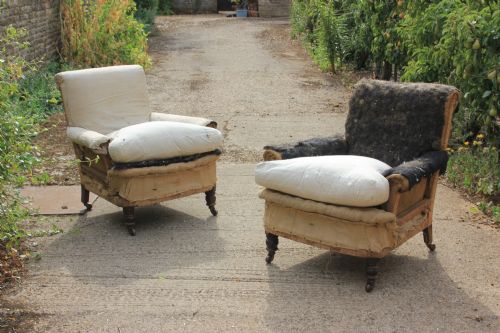
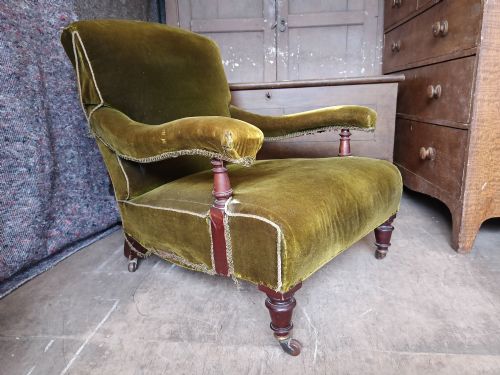
Makers and workshops constructed these pieces in Victorian, Edwardian, and Art Deco styles, alongside English country house interpretations. Buyers frequently encounter examples finished in ticking, velvet, or hessian upholstery over timber frames.
How They Were Made
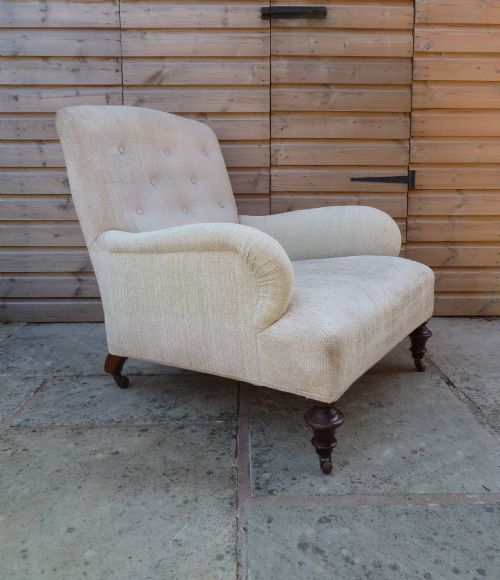
Craftsmen built the underlying framework using sturdy timbers such as mahogany and walnut, ensuring structural integrity beneath the upholstery. Brass castors frequently fitted to the feet allowed these substantial pieces to move across heavy carpets.
Traditional stuffing relied on natural materials contained within hessian webbing, layered beneath top covers of velvet, ticking, or patterned carpet. Button upholstery techniques provided both surface tension and decorative relief on the backrests.
Several armchairs are dressed in unexpected materials, including repurposed Ushak turkey carpets and vibrant kilim upholstery.
What Varies in Quality
The refinement of the timber frame and the integrity of the internal stuffing distinguish finer examples from standard production. Original upholstery materials like period ticking or kilim remnants elevate the historical interest.
Proportion and stance dictate the visual success of the piece, with superior models balancing low seating heights against generous arm dimensions. The subtlety of the turned wooden legs and the quality of the brass hardware further separate workshop tiers.
Howard and Sons·Whytock and Reid·Hampton and Sons
The Low Seat Easy Chair Glossary
- Slipper chair
- A low-seated upholstered chair traditionally designed for a bedroom or dressing room. The absence of arms allowed space for bulky historical garments.
- Ticking
- A tightly woven, sturdy cotton or linen fabric traditionally utilised to cover mattress stuffing and heavy upholstery. It remains synonymous with country house seating.
- Club armchair
- A deep, heavily upholstered comfortable chair designed for relaxation. These pieces typically feature low backs and broad arms.
- Napoleon III
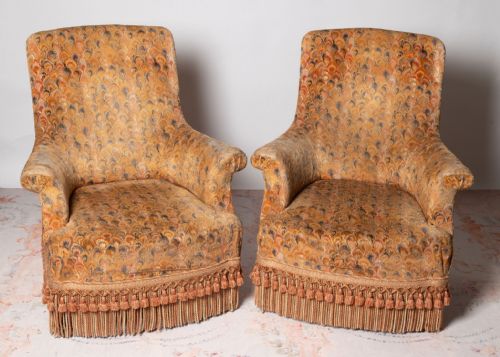
- A French design style spanning the mid to late nineteenth century. It frequently reinterprets earlier court aesthetics with exuberant upholstery and gilt highlights.
Low Seat Easy Chair: Frequently Asked Questions
How do I identify a Howard and Sons chair?
Look for stamped maker marks on the castors, numbered legs, and specific structural signatures such as low proportions and deep padding. Signature upholstery choices like ticking or kilim fragments often accompany these pieces.
Many examples attributed to this maker follow distinct club or country house silhouettes that prioritise relaxed ergonomics over formal posture.
Are these chairs suitable for daily use?
These pieces were built for sustained comfort using robust timber frames and durable traditional stuffing methods. Their low seating heights make them particularly suited to relaxed reading spaces.
While historic upholstery requires mindful care, the underlying construction of a nineteenth or early twentieth-century armchair remains exceptionally resilient.
What is the difference between a club chair and a slipper chair?
Club chairs offer broad arms and deep, enclosed seating designed for substantial lounging. Slipper chairs feature a compact, armless profile originally intended for dressing rooms.
Both share a reduced overall height, but the club chair focuses on encompassing support while the slipper chair offers a lighter visual footprint.
Can I mix these styles with modern interiors?
The relaxed proportions and traditional fabrics of these seats integrate smoothly into contemporary rooms. Neutral ticking or velvet upholstery bridges historic forms with modern aesthetics.
Placing a nineteenth-century easy chair in a minimalist space adds textural depth and immediate historical grounding.