
Low Footstool
A low footstool is a compact, grounding seat designed to sit near a hearth or armchair, bringing comfort and proportion to a room.
Low Footstool
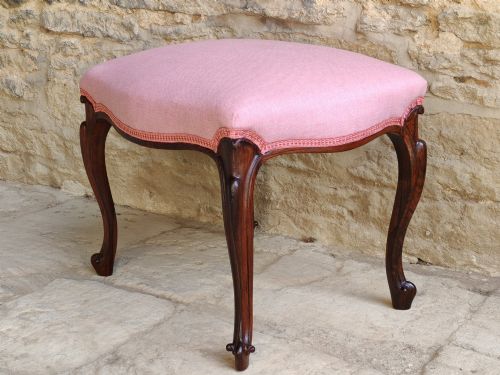
A low footstool provides a small resting place for the feet, typically sitting at a modest height to align with firesides and armchairs. You encounter them most often in nineteenth-century walnut, mahogany, and oak forms, alongside eighteenth-century vernacular and revival pieces.
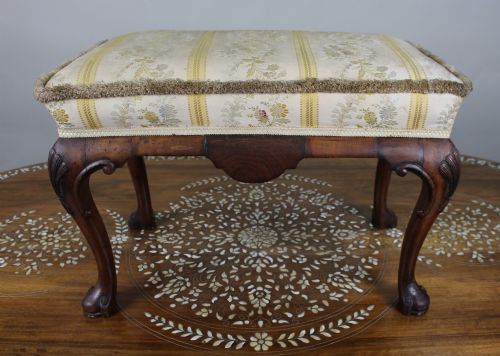
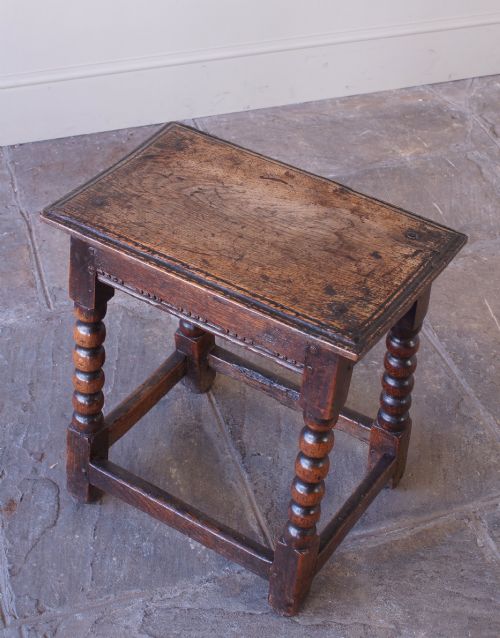
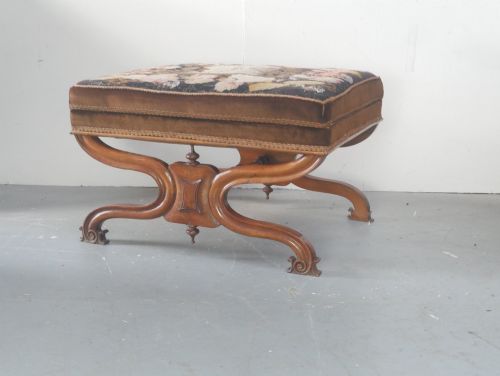
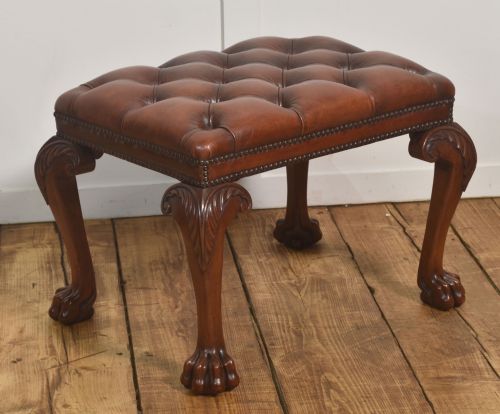
The category encompasses diverse utilitarian and decorative forms, including dressing stools, joint stools, carriage stools, and upholstered ottomans. Many examples feature revival elements such as Queen Anne or Chippendale styles, while others lean towards rustic country or Art Deco aesthetics.
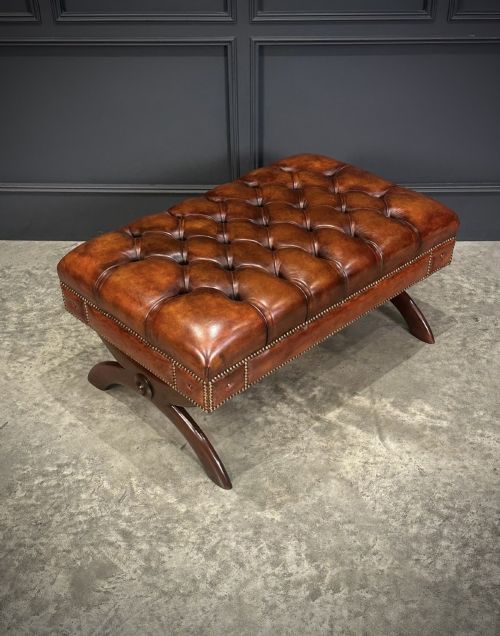
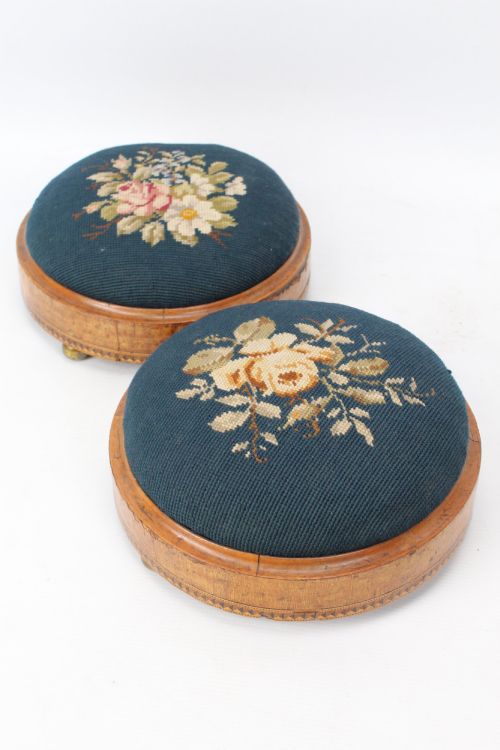
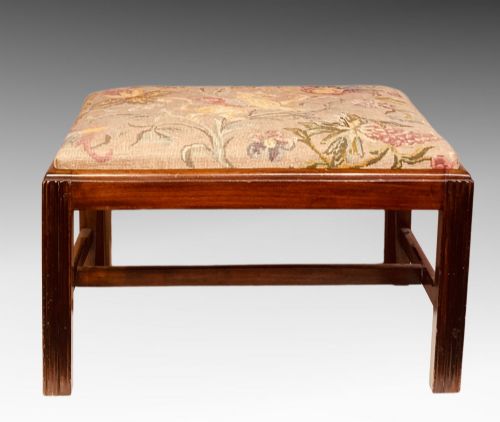
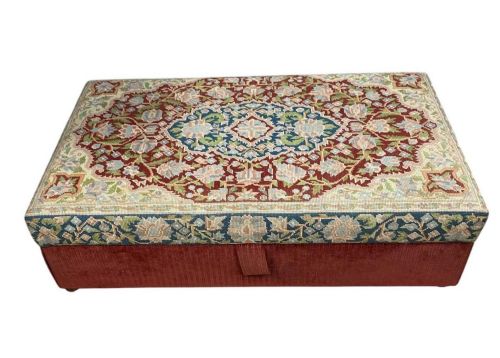
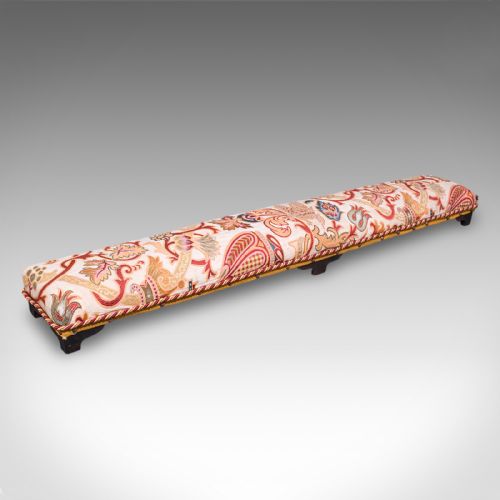
Makers utilised various timbers and textiles, ranging from simple pitch pine and ash to finely carved rosewood and gilt finishes. Tops are frequently dressed in contemporary or period needlepoint, tapestry, crewelwork, chenille, or hand-dyed leather.
How they were made
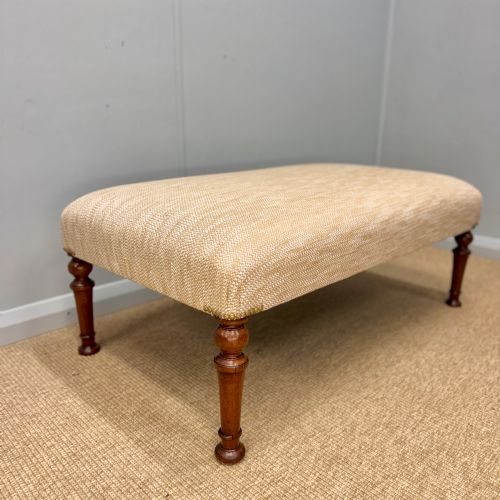
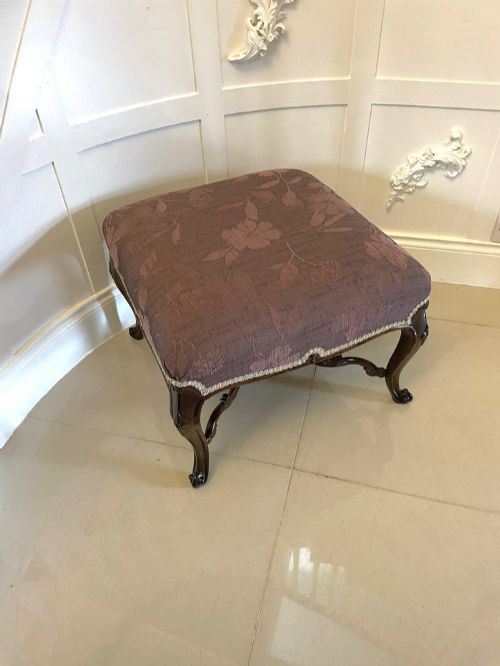
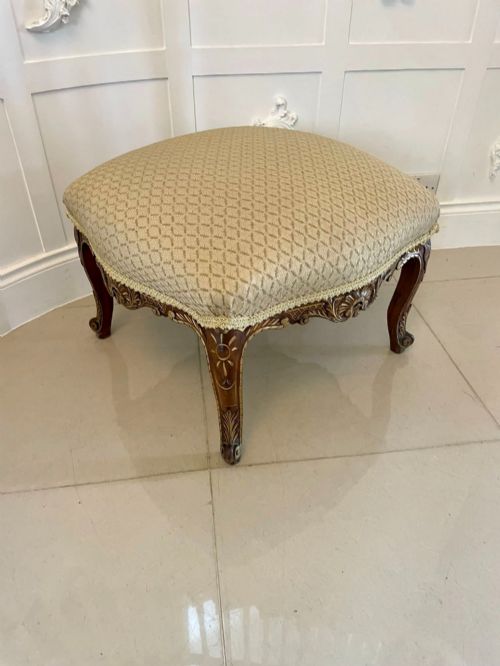
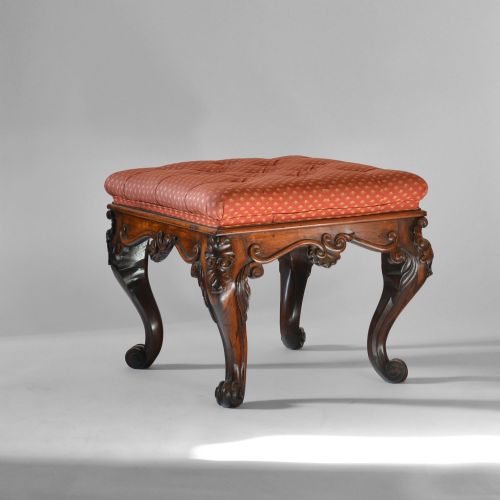
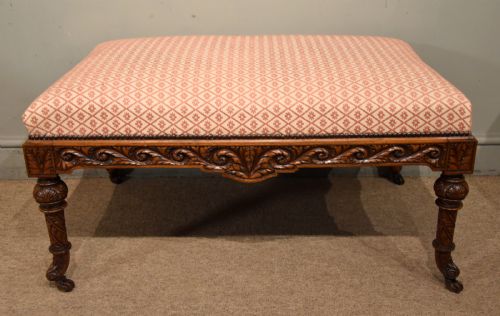
Cabinetmakers constructed the frames of these stools using solid hardwoods such as mahogany, walnut, oak, and rosewood, often employing traditional jointing methods like mortise and tenon. Carved details on legs and rails demonstrate the hand of skilled artisans, from simple square tapering legs to elaborate Victorian giltwork.
Upholstery techniques varied from early webbing and squab padding to tight buttoned leather and hand-stitched needlepoint or tapestry tops. Materials like brass studs, crewelwork textiles, and heavy green linen completed the functional surfaces where feet and fabrics met daily wear.
Listings feature low footstools spanning the 17th, 18th, 19th, and 20th centuries, executed in materials including mahogany, oak, walnut, rosewood, brass, and varied textiles.
What varies in quality
The distinction between standard utility seating and finer examples rests upon the choice of timber and the depth of carving in the frame. Dense hardwoods like rosewood and figured walnut, combined with crisp, confident carving on the legs and rails, elevate a piece above basic vernacular joinery.
Integrity of construction and the fidelity of revival styles also set pieces apart. Pieces displaying well-balanced proportions, such as those with cross stretchers or precise Chippendale and Queen Anne details, demonstrate greater design consideration than simpler workshop output.
Arthur Simpson Of Kendal·Harry and Lou Epstein
The Low Footstool Glossary
- Joint stool
- A solid wooden stool constructed with pegged mortise and tenon joints rather than turned legs. These sturdy pieces date back to the seventeenth century and earlier.
- Tunbridge Ware
- Small wooden objects decorated with intricate mosaic patterns made from tiny segments of naturally coloured woods. This specialised craft flourished in Kent during the nineteenth century.
- Crewelwork
- Embroidery executed with wool yarn on a plain-weave foundation fabric, commonly seen on fireside foot rests and ottomans. It creates textured, durable floral or geometric surfaces.
- Cross stretcher
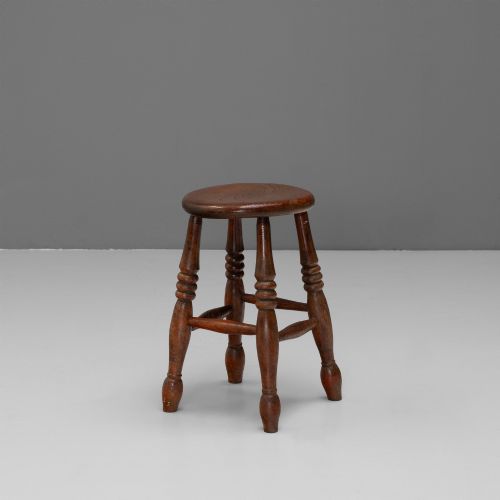
- An intersecting wooden brace connecting the legs of a stool near the floor to provide additional stability. They frequently appear on dressing table and parlor stools from the nineteenth and twentieth centuries.
- Needlepoint
- A form of canvas work embroidery stitched tightly over a grid mesh, often utilised for period footstool tops. It provides a firm, decorative surface suitable for daily use.
Low Footstool: Frequently Asked Questions
What is a low footstool used for?
These small seats served primarily to elevate feet near a hearth or to provide a convenient perch beside a dressing table. Their compact stature allowed them to tuck easily beneath furniture when not in use.
Over time, many functioned as flexible perches for children or as decorative stands for plants and accessories in Victorian and Edwardian interiors.
How do I tell an 18th-century stool apart from a Victorian one?
Eighteenth-century examples often display restrained lines, simple timber grains, and structural elements like square tapering legs or vernacular ash and sycamore construction. Victorian pieces frequently introduce heavier rosewood or walnut frames with elaborate carving, gilt accents, and buttoned leather.
Revival pieces from later periods can mimic earlier aesthetics, so examining the joinery, wear patterns, and secondary timbers helps clarify the actual age of the frame.
Can I use an antique footstool every day?
Most solid hardwood frames from these periods were built to withstand regular weight and frequent movement. Checking the stability of the joints ensures the piece remains sound for daily resting.
Upholstery fabrics, however, vary in durability. Older needlepoint or delicate textiles may benefit from gentle use or protective placement compared to robust hand-dyed leather or heavy linen.
What styles are common in low footstools?
The selection spans diverse aesthetics, including austere seventeenth-century joint stools, elegant Regency rosewood designs, and ornate Victorian carved walnut pieces. Revival movements such as Queen Anne and Chippendale also heavily influenced nineteenth-century makers.
Later pieces lean towards Arts and Crafts simplicity, early twentieth-century vernacular forms, or streamlined Art Deco burr walnut interpretations.