

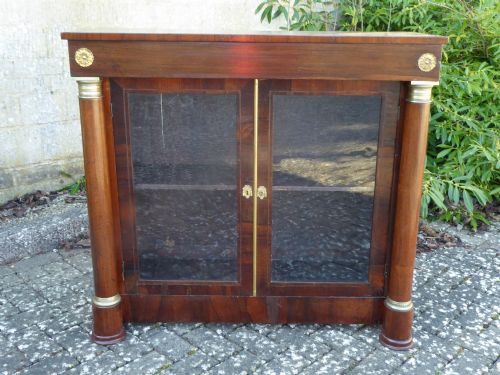


Low Dwarf Cupboard
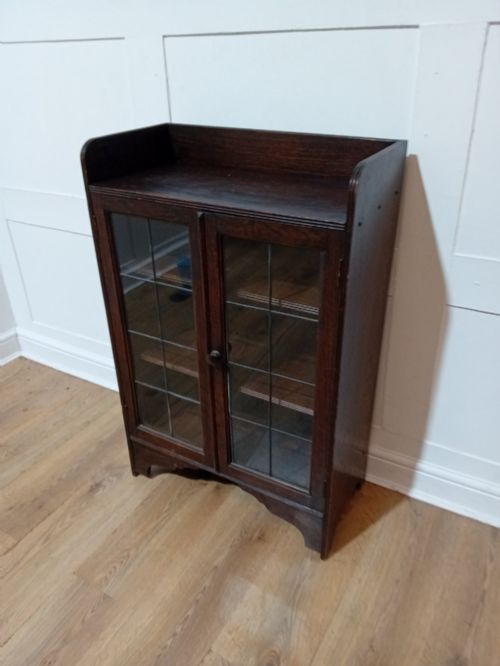
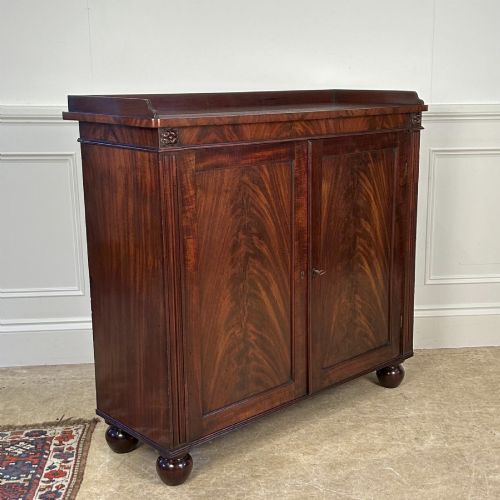
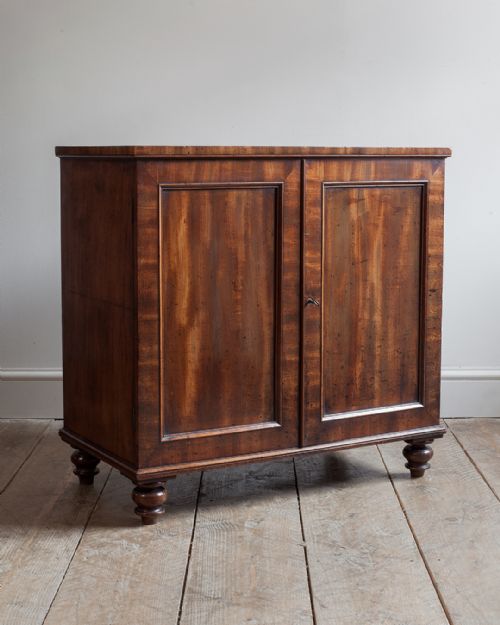
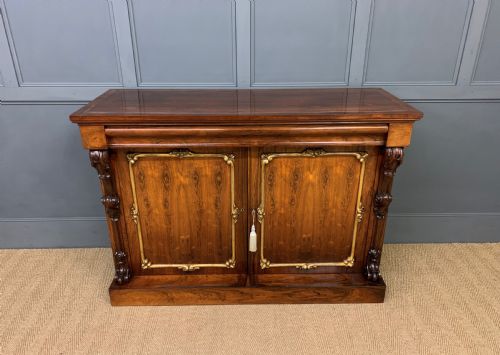
These low dwarf cupboard designs offer neat proportions and rich timber grain, serving as compact storage solutions for period interiors.
Low Dwarf Cupboard
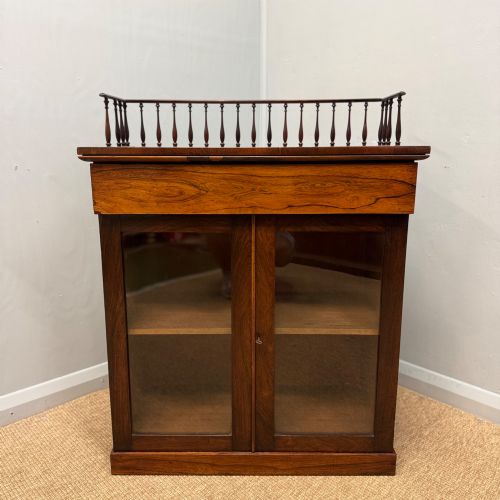
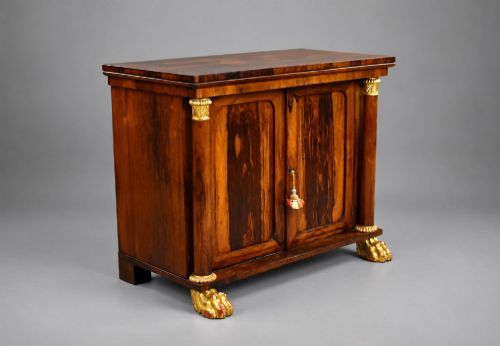
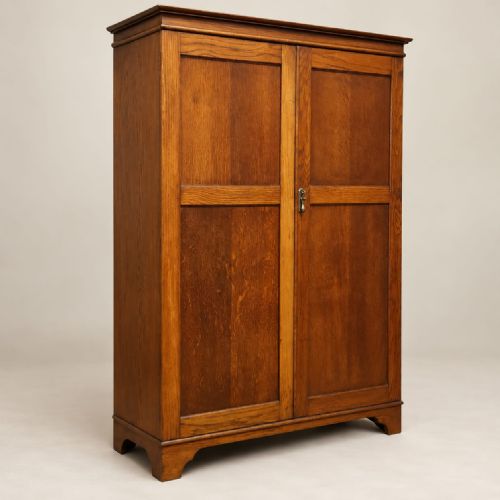
When buyers search for a low dwarf cupboard, they encounter compact storage furniture designed with modest vertical heights. The pieces on this page span the eighteenth, nineteenth and early twentieth centuries, encompassing Georgian, Regency, William IV, Victorian and Arts and Crafts periods.
The forms vary across side cabinets, bookcase cabinets, linen cupboards and press cupboards. Mahogany and rosewood appear frequently, often constructed as low side cabinets or dwarf bookcases suited to domestic rooms.
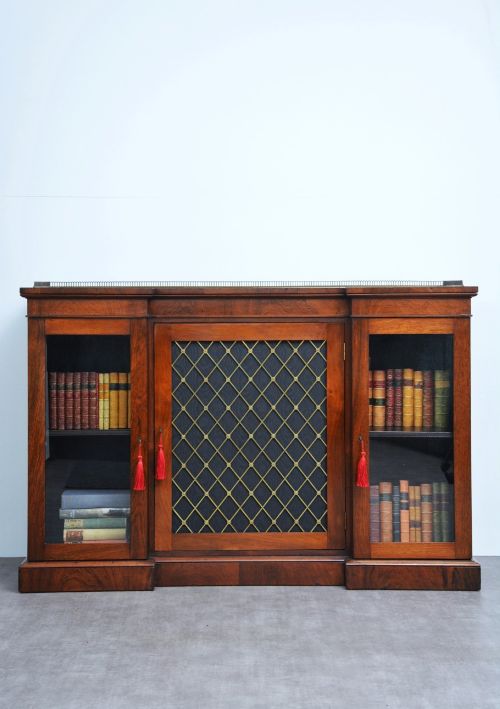
Makers and workshops utilised figured timbers, brass inlay and pleated chiffon panels within Regency and later nineteenth-century designs. Country house examples and dwarf housekeepers cupboards also feature among these functional storage forms.
What varies in quality
The standard of timber selection defines the upper tier of these pieces, particularly the choice of figured rosewood and flame mahogany veneers. Finely matched grain patterns across doors and drawer fronts indicate careful planning by the cabinetmaker.
Refinement in secondary detailing separates standard production from finer workshop output, including precise brass inlay, well-fitted door assemblies and original glazing bars. The integration of specialised fittings like secretaire drawers or pleated chiffon panels adds complexity to the construction.
Low Dwarf Cupboard Retail Price Guide 2026
Typical asking prices for low dwarf cupboard among the pieces listed under this phrase on Sellingantiques today, from the lower quarter to the upper quarter. They describe what is for sale here now, not the wider market.
The selection includes glazed bookcase cabinets, linen presses and country house side cabinets with brass inlay.
Gillows
The Low Dwarf Cupboard Glossary
- Dwarf cupboard
- A low-standing storage piece designed with reduced vertical height. These cabinets provide surface display space while maintaining lower proportions than standard wardrobes or linen presses.
- Secretaire
- A cabinet incorporating a pull-down writing drawer fitted with small pigeonholes and internal compartments. This dual-purpose form combines storage with a compact writing surface.
- Flame mahogany
- A decorative veneer cut from timber fork sections where branches join the main tree trunk. This technique produces a distinctive flickering flame-like grain pattern across the cabinet doors.
- Chiffonier
- A low side cabinet developed during the Regency period, often featuring shelves above or enclosed lower cupboards with fabric-backed doors. Pleated silk or chiffon panels behind brass grilles were common stylistic elements.
Low Dwarf Cupboard: Frequently Asked Questions
What is a low dwarf cupboard?
A low dwarf cupboard is a compact piece of storage furniture built with reduced vertical height. These cabinets typically sit below window height or serve as sideboards in reception rooms.
They provide enclosed shelving while leaving the wall space above them open for pictures or mirrors.
How were dwarf cupboards used?
In period interiors, these low cabinets stored books, linens, household papers or tableware. Their modest height made them versatile additions to drawing rooms, libraries and bedrooms.
Many designs also incorporated top surfaces for displaying decorative objects or serving drinks.
How do I date a Regency cabinet?
Regency pieces often display characteristic architectural elements such as brass inlay, rosewood veneers, ebony stringing and classical bracket feet. Examining the secondary timbers inside drawers and behind backboards also helps confirm the period.
Construction details like hand-cut dovetails and timber movement allowances point toward early nineteenth-century workshop practices.
How do I care for rosewood?
Rosewood surfaces benefit from minimal intervention using dry, soft cloths to remove dust. Avoiding direct sunlight and maintaining stable room humidity prevents the timber from drying and splitting over time.
Occasional applications of traditional wax help nourish the polished finish without building up heavy residues.