


Low Club Chair
A low club chair offers deep seating and relaxed proportions, grounding a room with understated comfort and historic character.
Low Club Chair
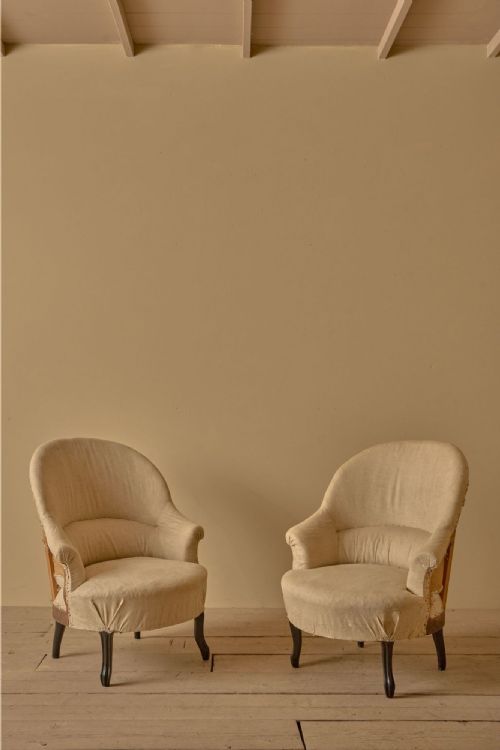
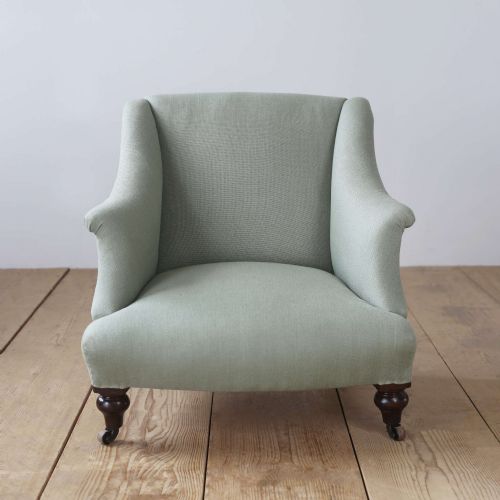
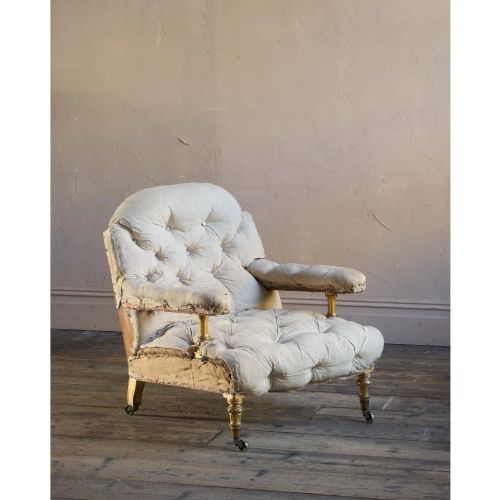
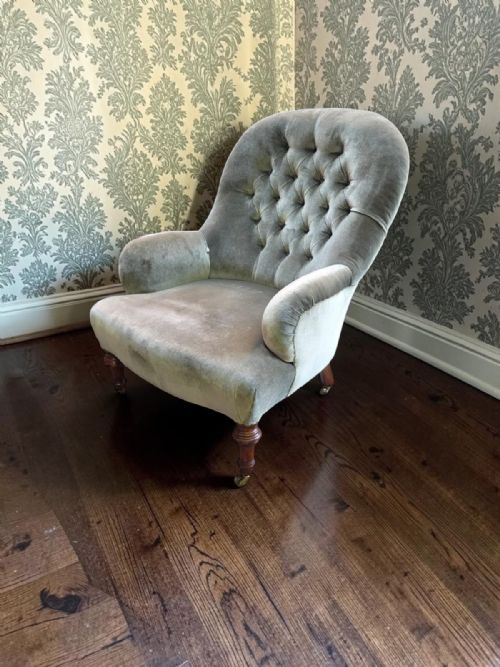
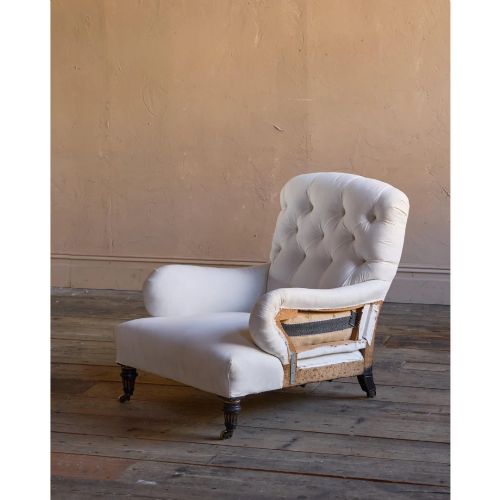
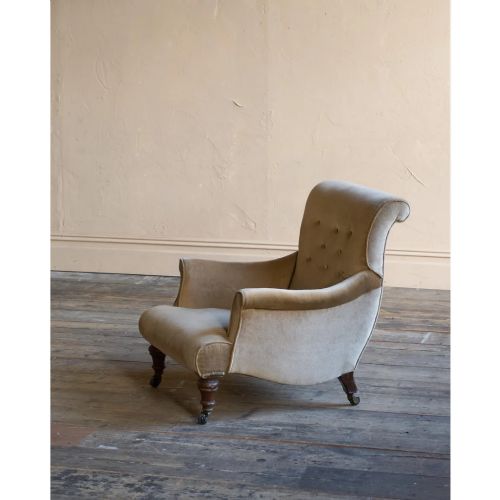
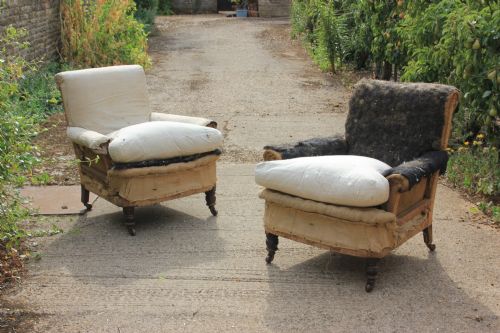
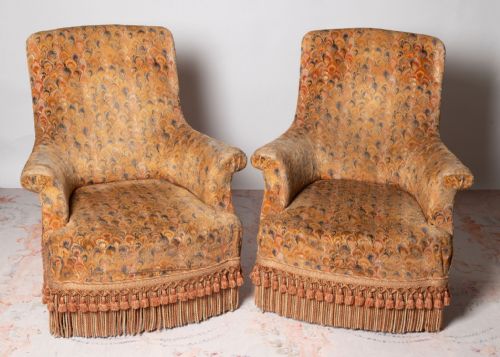
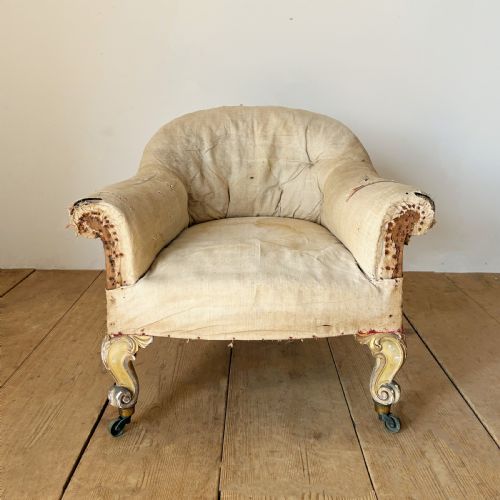
When searching for a low club chair, buyers encounter low-slung, deep-seated armchairs designed primarily for relaxation and comfort. These pieces draw heavily on nineteenth-century domestic seating traditions, featuring generous proportions that invite long periods of sitting.
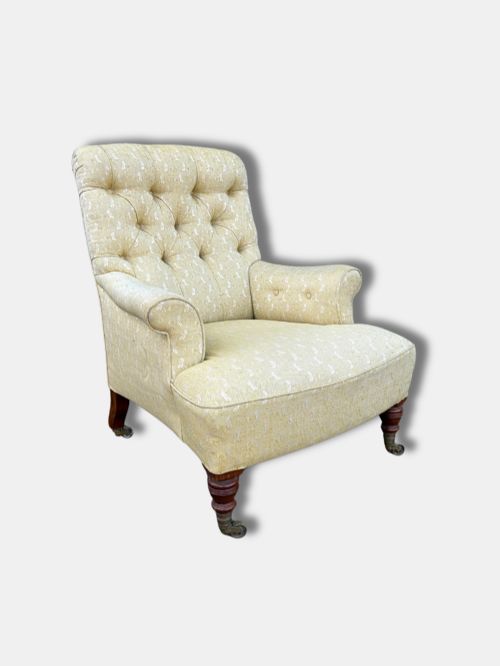
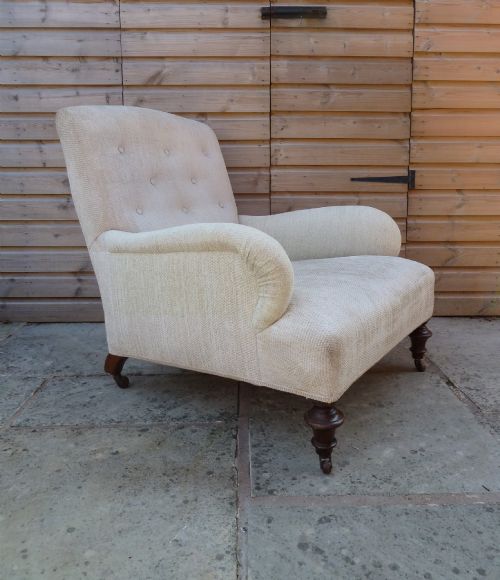
The selections available here lean heavily toward Victorian and Edwardian examples, alongside French Napoleon III and English Country House styles. Tub chairs, button-back designs, and upholstered armchairs dominate the inventory, often presenting with low profiles and substantial armrests.
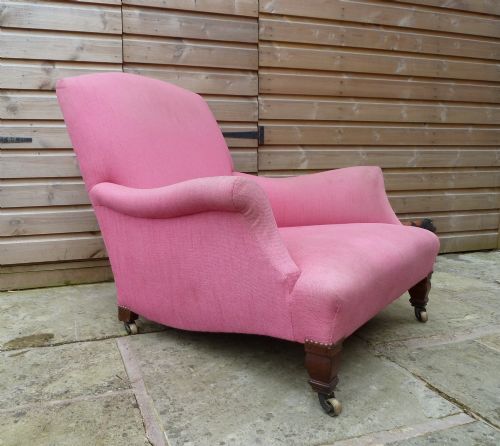
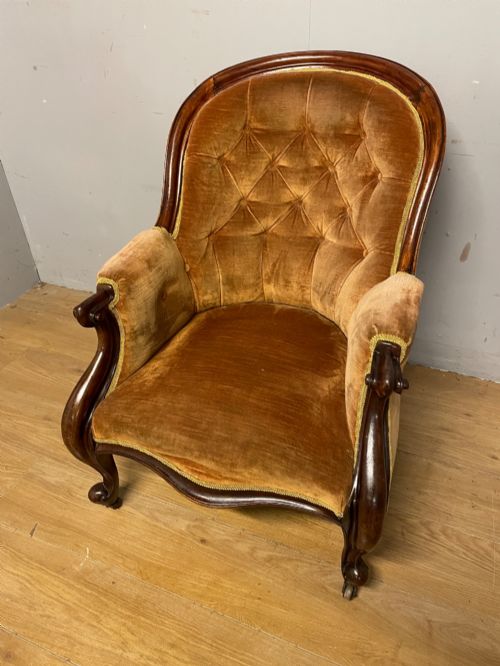
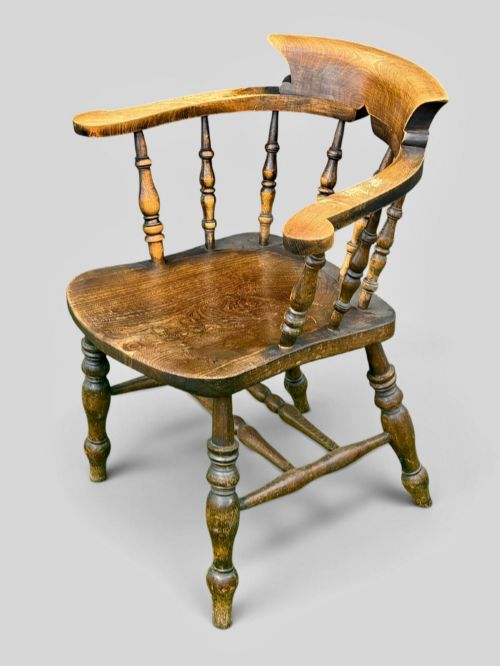
Many of these armchairs reflect the distinctive influence of makers like Howard and Sons, whose comfortable sprung seating defined an era of informal luxury. Alongside these, buyers find simpler wooden smokers chairs and carved mahogany frames resting on low feet.
How they were made
Construction relies upon sturdy timber frameworks built from mahogany, beech, elm, and general hardwoods. These internal wooden skeletons provide the structural strength necessary to support deep upholstery and frequent daily use.
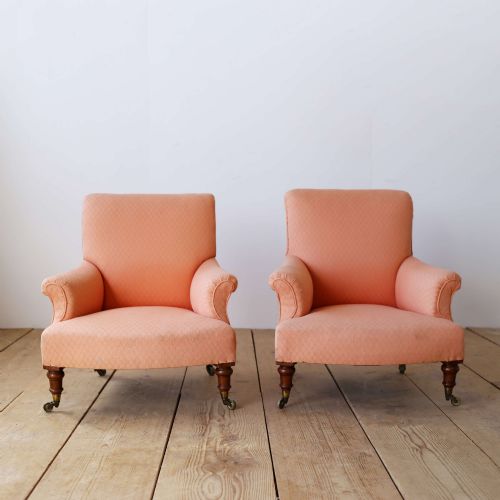
Comfort is achieved through traditional stuffing and springing techniques, subsequently covered in materials such as calico, velvet, fabric, hessian, and ticking. Exposed elements frequently incorporate turned or ebonised wood, sometimes accented with brass castors.
Low Club Chair Retail Price Guide 2026
Typical asking prices for low club chair among the pieces listed under this phrase on Sellingantiques today, from the lower quarter to the upper quarter. They describe what is for sale here now, not the wider market.
Listings span periods from the nineteenth century through the Edwardian era to the nineteen-thirties, utilising mahogany, beech, velvet, and ticking.
What varies in quality
Quality in these armchairs rests upon the integrity of the internal frame and the resilience of the traditional upholstery build. Finer examples exhibit superior joinery and balanced proportions that maintain their supportive firmness over generations.
Distinction also arises from the subtlety of the woodwork, such as finely carved mahogany legs or well-turned feet, compared to heavier, simpler utility frames. The choice of original or sympathetic covering materials further elevates the character of a piece.
Howard and Sons·Shoolbred
The Low Club Chair Glossary
- Tub chair
- An armchair with a continuous curved back and arms that form a single enclosed, rounded shape. This form offers a snug and supportive seating experience.
- Button back
- An upholstery style where depressions are formed in the padding by stitching buttons at regular intervals through to the frame. This technique secures the internal stuffing while creating a tufted pattern.
- Smokers bow
- A nineteenth-century wooden armchair with a low, curved spindle back, traditionally used in smoking rooms and gentlemen's clubs. These chairs are constructed from sturdy timbers like beech and elm.
- Castor
- A small wheel or roller fixed to the base of a chair leg to allow easy movement across floor surfaces. They are frequently cast in brass on nineteenth-century seating.
Low Club Chair: Frequently Asked Questions
What defines a low club chair?
A low club chair is characterised by its relaxed, low-slung profile and deep seat designed for maximum comfort. These chairs often feature generous upholstery and sturdy wooden frames typical of nineteenth-century domestic seating.
They serve as comfortable lounge seating that fits easily into traditional or eclectic interior spaces without overwhelming the room height.
How do I identify a Victorian armchair?
Victorian armchairs are often identified by their substantial wooden frames, button-backed upholstery, and robust proportions. Materials commonly include mahogany, beech, and velvet.
Many examples from this era incorporate turned wooden legs, sometimes fitted with brass castors, reflecting the period's preference for both comfort and mobility.
What is an English country house chair?
An English country house chair prioritizes informal comfort over formal display, often upholstered in ticking, calico, or heavy fabric. These pieces were built for relaxed living rooms and studies.
They frequently display influences from makers like Howard and Sons, combining deep-sprung seating with understated, durable exteriors.
How should I care for antique upholstery?
Caring for antique upholstery involves gentle vacuuming with a soft brush attachment to remove dust without stressing the fabric. Keep upholstered pieces away from direct sunlight to prevent fading.
For pieces covered in delicate materials like velvet or ticking, professional cleaning is recommended when maintenance is required.