
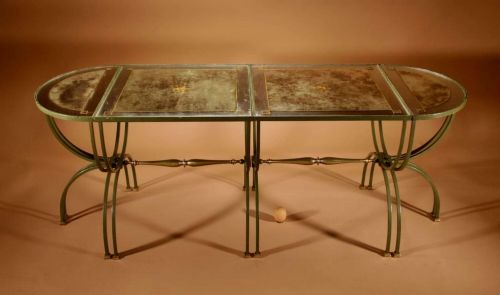
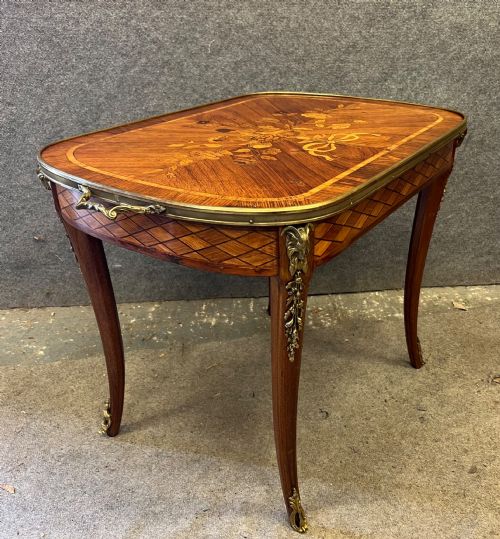
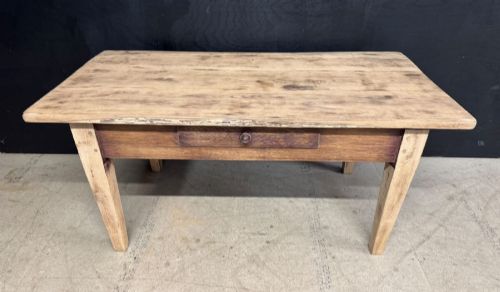
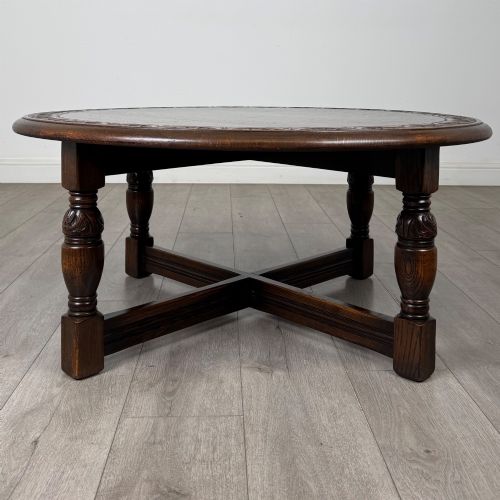
Low Center Table
A low centre table anchors a room with understated proportion, offering a surface that sits close to the floor for relaxed entertaining.
Low Center Table
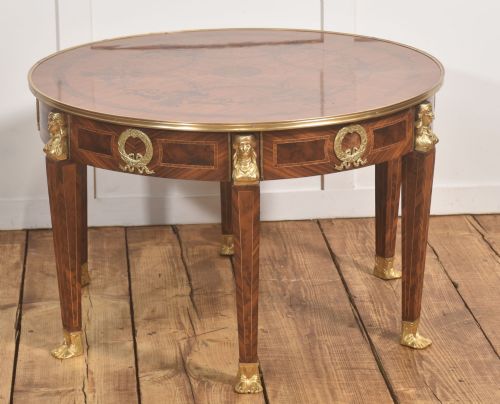
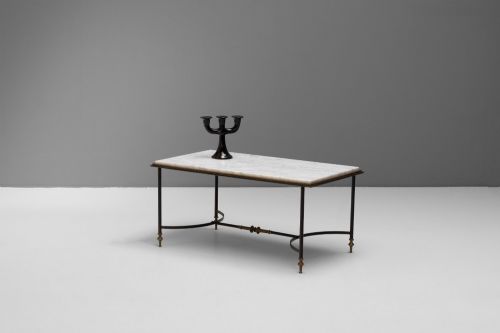
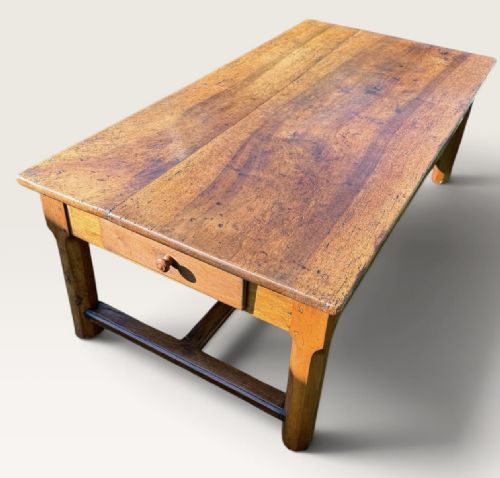
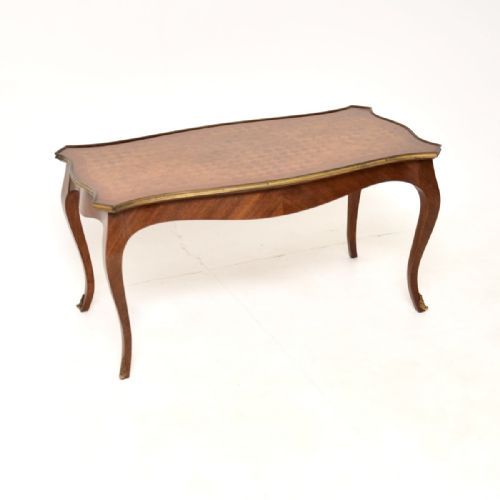
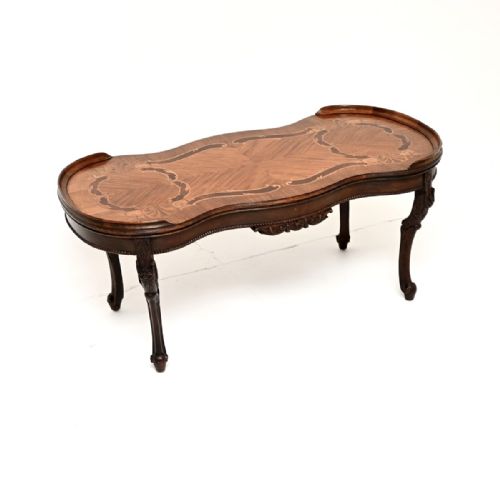
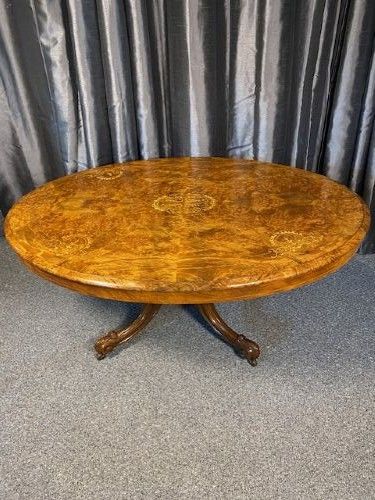
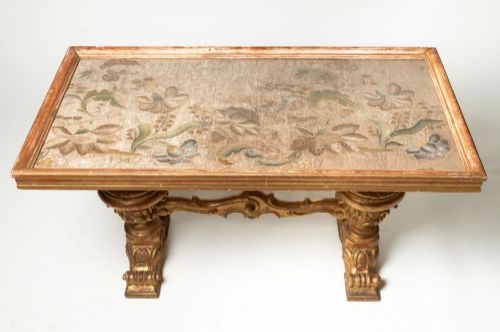
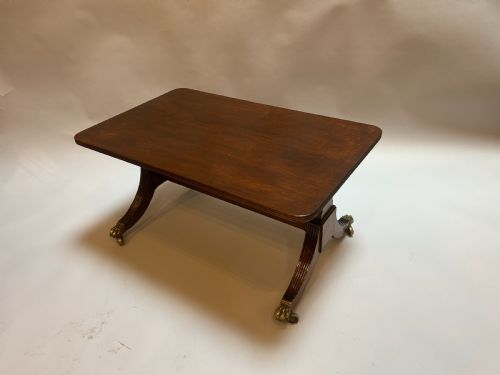
The materials span rich timbers like burr walnut, mahogany, and oak, alongside decorative touches of marble, brass, and giltwood. Buyers encounter everything from French provincial oak to refined Regency and neoclassical designs.
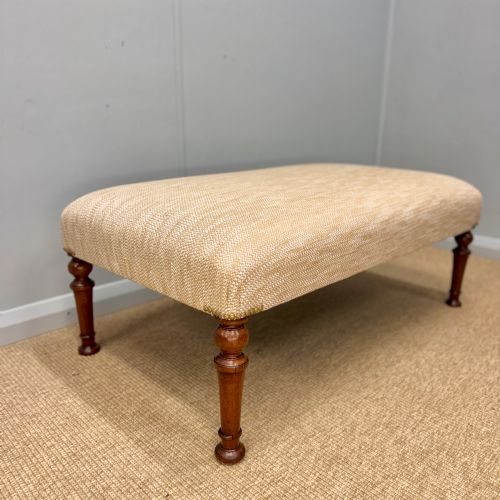
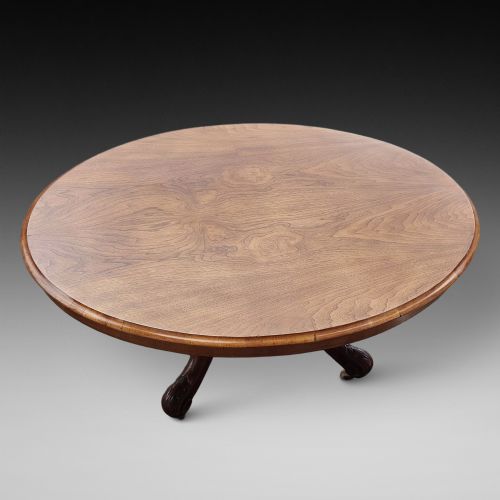
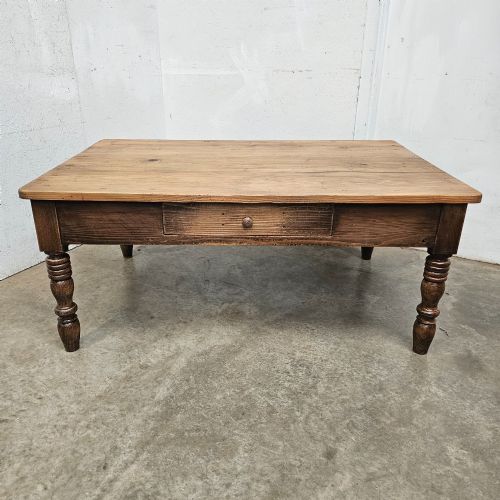
Proportions vary from large octagonal and oval shapes to compact round tables with carved legs or turned supports. Each piece reflects the interior demands of its decade, balancing utility with decorative presence.
How they were made
Cabinetmakers utilised robust hardwoods such as oak, mahogany, and walnut as the structural foundation for these tables, often selecting figured veneers like burr walnut and burr yew wood to create striking top surfaces. Marquetry and parquetry inlay techniques added geometric and floral patterns, requiring precise hand-cutting of contrasting timbers.
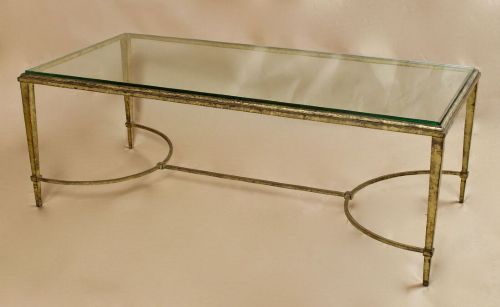
Metalwork played a defining structural and decorative role, with brass mounts, gilt bronze, and forged wrought iron shaping the framework of French and Art Deco pieces. Marble tops were fitted securely into wooden or metallic frames, providing a cool, durable surface that contrasted with the warmth of the surrounding wood.
Listings feature walnut, mahogany, oak, and burr walnut alongside marble and brass across the nineteenth and twentieth centuries.
What varies in quality
The distinction between standard examples and the finest work lies in the choice of timber and the ambition of the joinery. Tables featuring heavily figured burr walnut, intricate parquetry, or signed maker details demonstrate a higher level of craftsmanship from master workshops.
Surface finishing and material combination also separate the tiers, such as the integration of genuine marble inserts, heavy cast brass mounts, or hand-carved claw and ball feet. Simpler pine or hardwood tables rely on honest vernacular construction rather than elaborate ornamentation.
Holland And Sons Of London·Maison Ramsay
The Low Center Table Glossary
- Burr walnut
- A highly figured wood grain obtained from the wart-like growths on walnut trees, prized for its swirling patterns on table tops.
- Marquetry
- The art of applying decorative pieces of veneer to a structure to form intricate pictorial designs and patterns.
- Parquetry
- A geometric mosaic of wood pieces used for decorative floors and table surfaces, creating repeating angular patterns.
- Giltwood
- Wood that has been treated with a thin layer of gold leaf or gold paint, frequently seen on neoclassical and revival frames.
- Claw and ball
- A furniture foot motif depicting a bird's talon clutching a ball, common in Chippendale and revival styles.
Low Center Table: Frequently Asked Questions
What is a low centre table used for?
These low surfaces function primarily as coffee tables, offering a stable platform for books, drinks, and decorative objects in a reception room.
Their reduced height keeps sightlines open across a seating arrangement while keeping everyday items within easy reach.
How do I identify the period of a table?
Dating relies on observing the combination of primary timbers, decorative motifs, and construction methods characteristic of specific decades.
Victorian and Edwardian examples often feature rich mahogany or burr walnut with turned legs, while Art Deco pieces favour geometric veneers and wrought iron.
Are these tables suitable for modern homes?
The modest proportions and diverse stylistic influences of these tables allow them to blend easily into contemporary interiors.
From rustic oak farmhouse tables to sleek French neoclassical designs, they introduce historical texture and practical surface space.
What maintenance do wood and marble surfaces need?
Wooden surfaces benefit from occasional polishing with suitable wax to nourish the grain and protect the finish from moisture.
Marble tops require simple wiping with a damp cloth and avoidance of acidic substances that might etch the polished stone.