

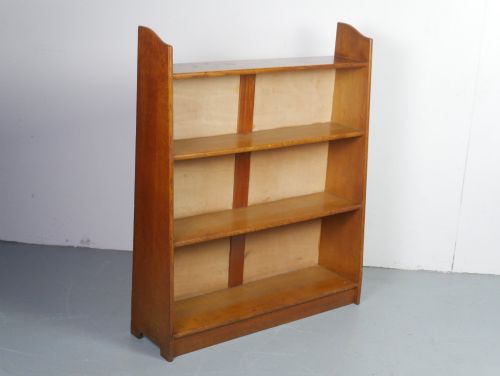
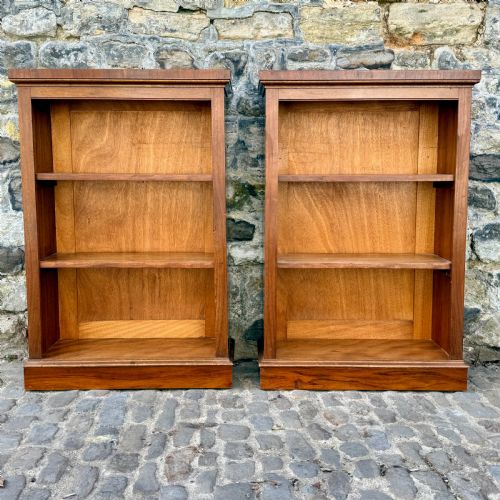
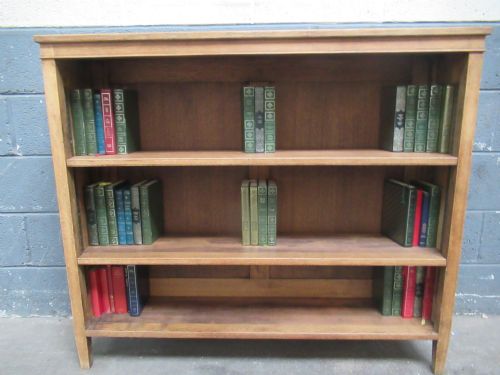
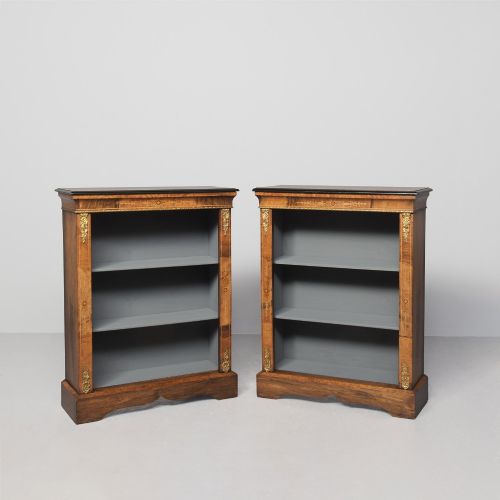
Low Bookshelves
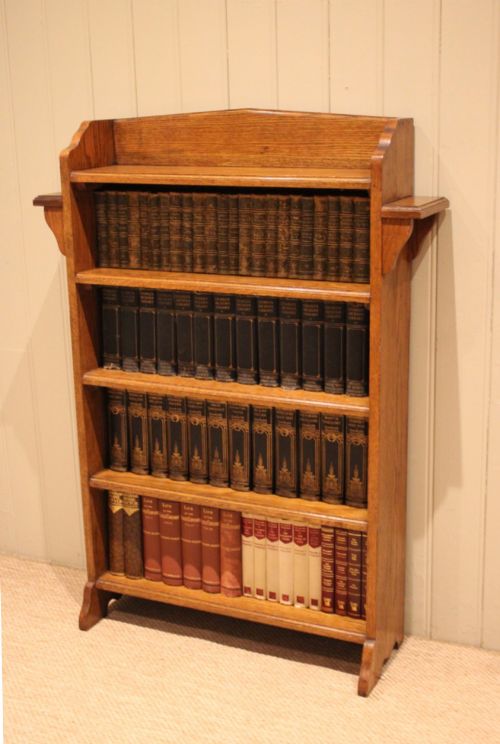
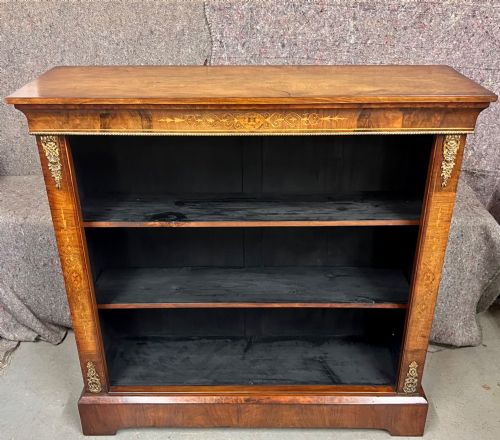
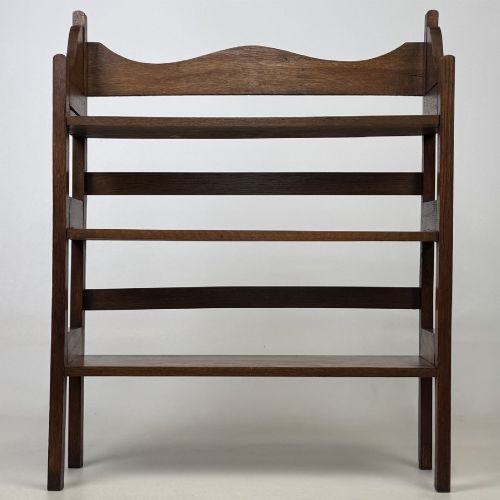
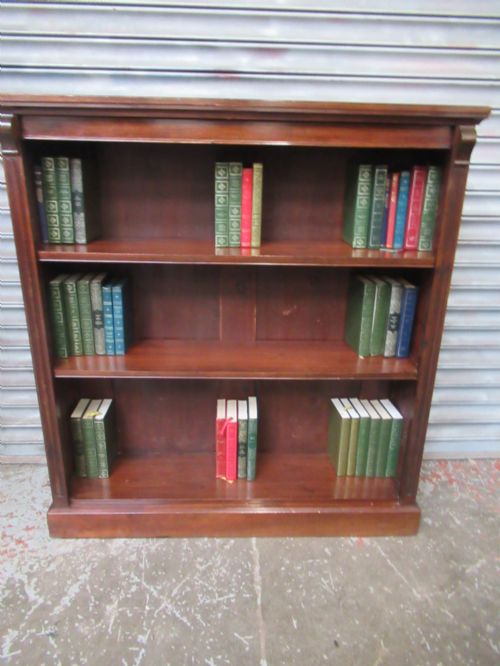
Low bookshelves offer accessible display and storage for domestic rooms, combining timber character with convenient proportions.
Low Bookshelves
Low bookshelves provide accessible tiered storage for domestic interiors, keeping volumes within easy reach while maintaining open wall space above. When searching for low bookshelves, buyers encounter various formats designed for domestic studies, libraries, and living rooms.
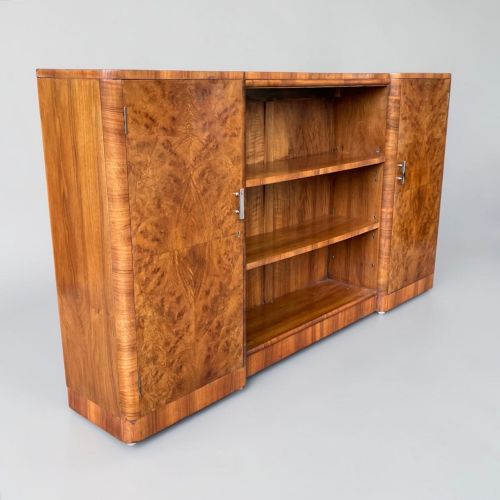
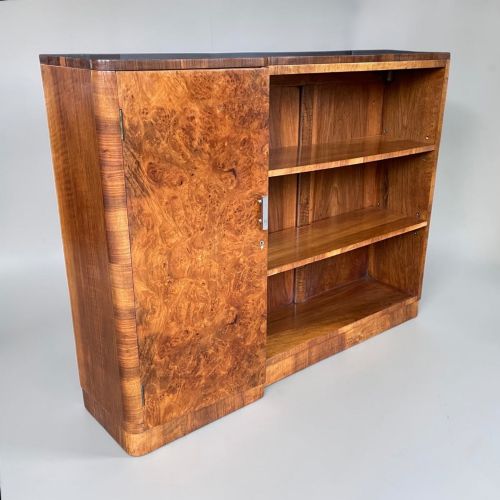
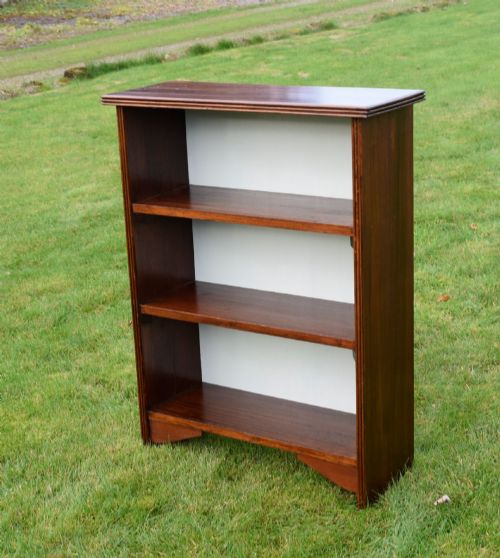
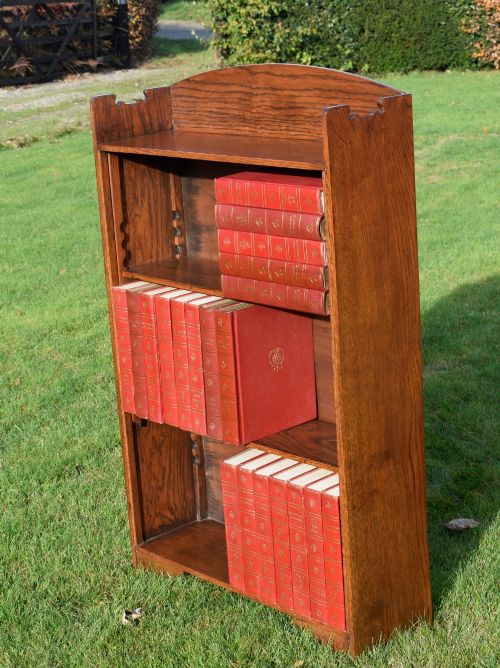
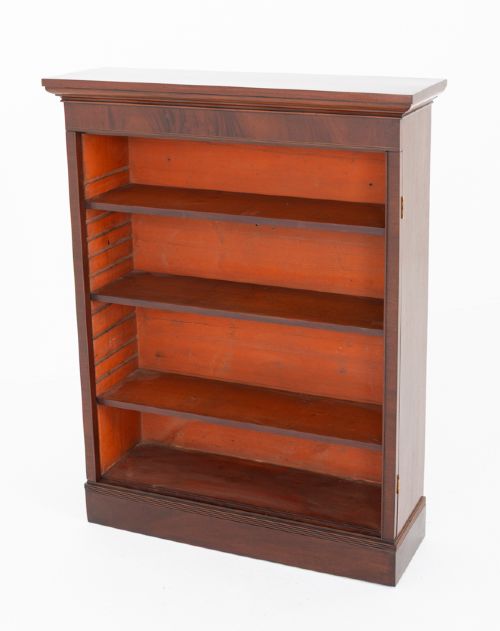
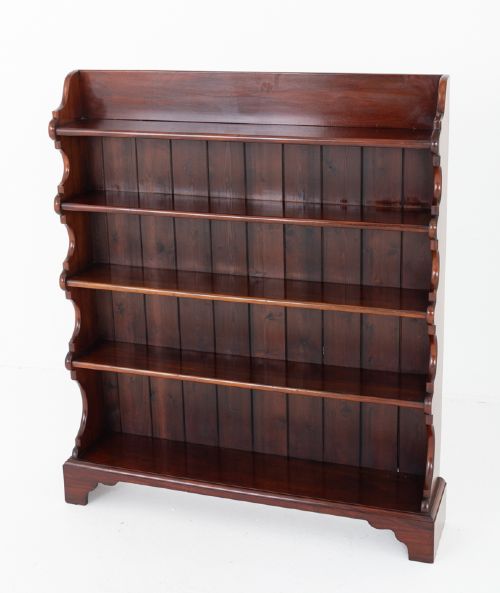
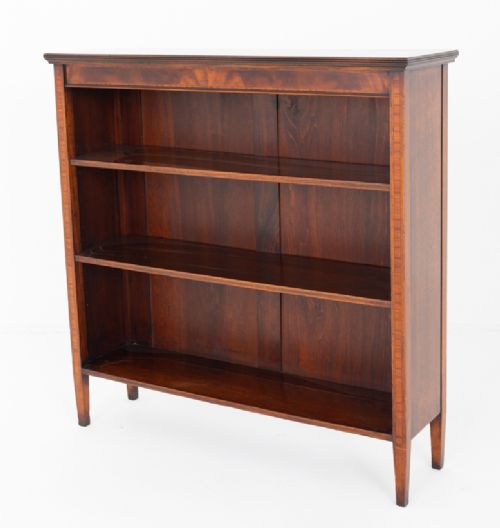
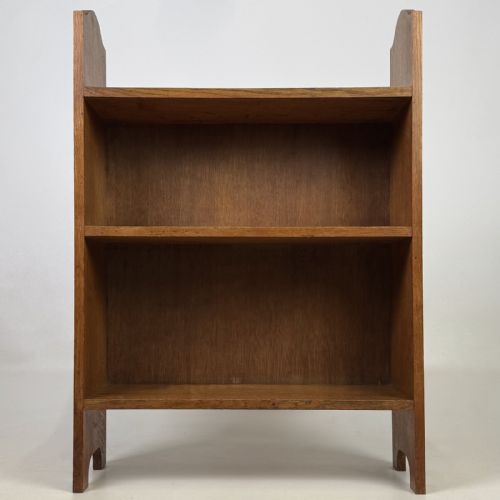
The pieces on this page span the Victorian and Edwardian eras through to the early twentieth century, incorporating styles such as Arts and Crafts, Jacobean Revival, and Regency style. Most examples take the form of open bookcases, bookcase cabinets, and rotating designs.
Oak and mahogany form the vast majority of the timber selection, alongside burr walnut, walnut, and pine. Dimensions range from small single bays to large multi-shelf units, often featuring adjustable shelving, raised galleries, or brass details.
What varies in quality
Construction methods and timber selection set higher examples apart from simpler utilitarian pieces, particularly where cabinet makers utilised figured veneers or dense solid hardwoods. The presence of sophisticated detailing such as hand-carved mouldings, dentil cornices, and shaped sides indicates greater workshop investment.
Hardware and functional mechanisms also distinguish the range, from robust brass galleries and iron cross backs to smooth-working adjustable shelf racks and revolving bases. Superior proportions and balanced styling, whether in austere Arts and Crafts oak or inlaid Edwardian mahogany, elevate the piece.
Low Bookshelves Retail Price Guide 2026
Typical asking prices for low bookshelves among the pieces listed under this phrase on Sellingantiques today, from the lower quarter to the upper quarter. They describe what is for sale here now, not the wider market.
One cheerful nineteenth-century walnut bookcase arrives equipped with three legs, proving that even furniture occasionally joins the circus.
The Low Bookshelves Glossary
- Adjustable shelves
- Shelving supported by movable brackets or rack strips, allowing the height between tiers to be altered. This system appears frequently in Victorian and Edwardian library furniture.
- Raised gallery
- A low decorative railing or upstand positioned along the top surface of a bookcase. It prevents items placed on top from sliding off.
- Burr walnut
- Timber harvested from the warted growths of walnut trees, yielding intricate, swirling grain patterns. Cabinet makers prized this wood for high-status Victorian and Edwardian cabinetwork.
- Dentil cornice
- A classical architectural moulding featuring small square blocks spaced at regular intervals along the top projection. This detail appears on Edwardian and revival bookcases.
- Open bookcase
- A shelving unit without doors, designed for immediate access to books. These pieces frequently incorporate adjustable shelves or lower cabinets.
Low Bookshelves: Frequently Asked Questions
Where do low bookshelves fit best?
These compact pieces suit living rooms, studies, and bedrooms where full-height shelving would overwhelm the floor area. Their low profile leaves wall space clear for art or mirrors above.
They sit comfortably beneath windows or alongside seating arrangements, keeping everyday reading material close to hand.
How do I adjust the shelves?
Many period bookcases use timber peg supports, slotted wooden racks, or metal strip systems inserted into the interior sides. You simply lift the shelf to clear the supports and relocate the pins or brackets.
Older mechanisms require careful handling to avoid splitting the housing grooves within the uprights.
Are revolving bookcases stable?
Revolving designs rest on a concealed internal pivot mechanism that allows the entire tier of books to turn smoothly. Their heavy timber construction and wide cruciform bases provide steady balance during rotation.
Users should distribute book weight evenly across all four quadrants to ensure the mechanism turns without tipping.
What is an iron cross back?
An iron cross back consists of diagonal metal bracing rods fitted to the rear of open bookcases. This structural element provides lateral rigidity without requiring a solid wooden backboard.
It allows light to pass through the shelves while keeping the frame square and secure.