

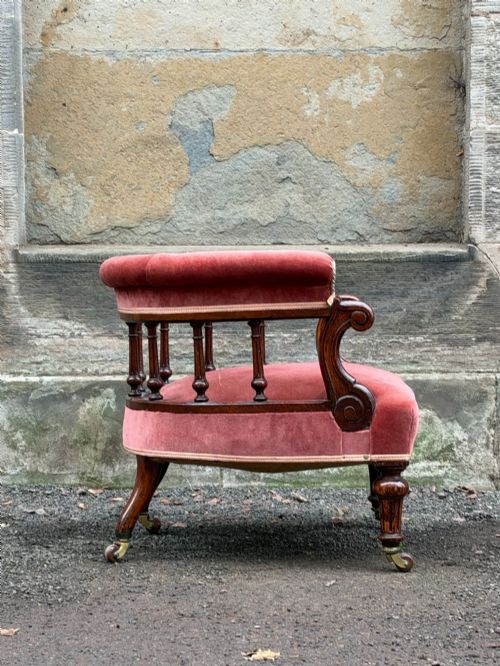
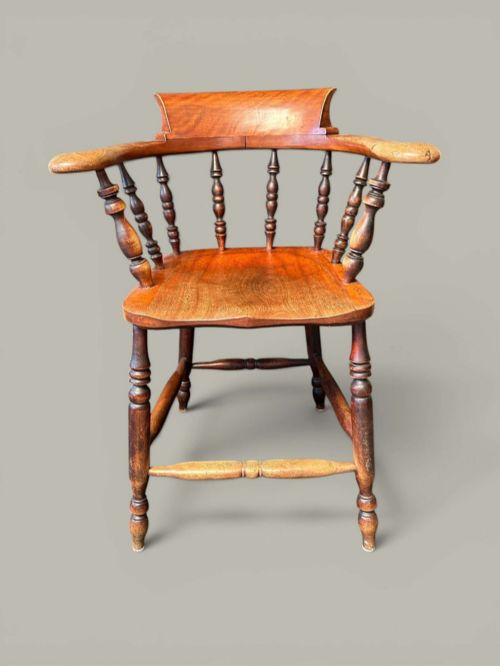
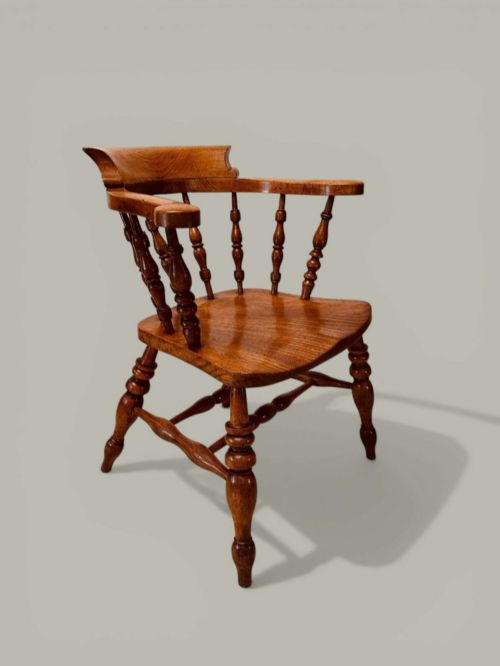
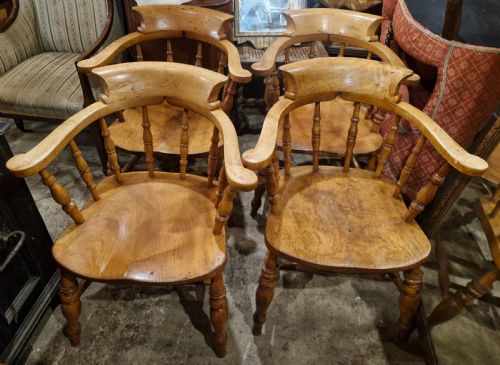



Low Back Spindle Chair
These low back spindle chair examples are honest vernacular seating pieces, prized for their sturdy construction and practical comfort.
Low Back Spindle Chair
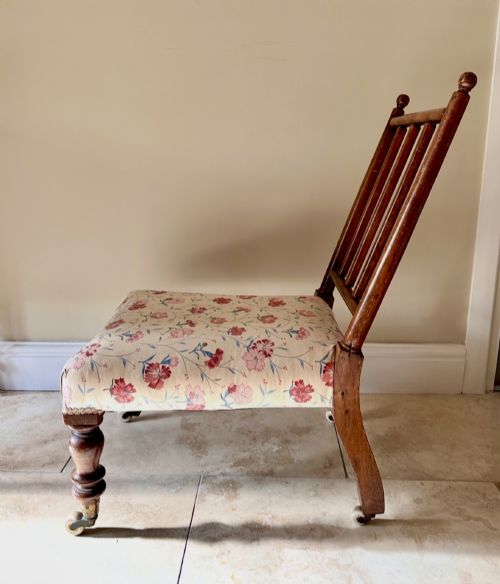
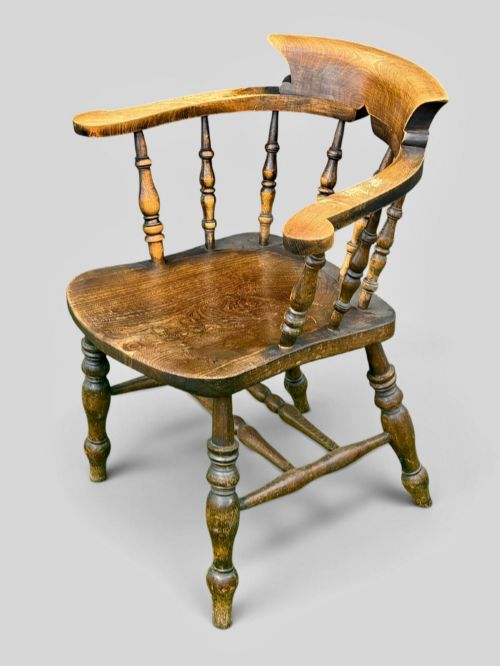
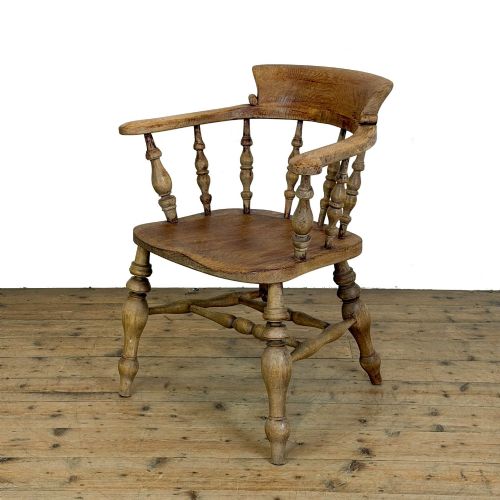
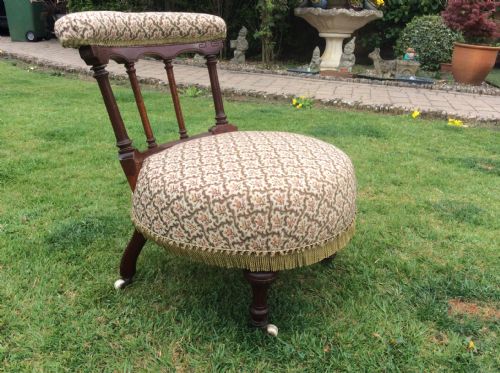
When you search for a low back spindle chair, you are looking at sturdy vernacular seating designed for practical daily use across the nineteenth century. The examples met on this page range from Victorian smokers bow armchairs to Edwardian desk chairs, nursing chairs, and prayer chairs.
The evidence shows forms spanning the Victorian and Edwardian periods, including occasional chairs, slipper chairs, and child chairs. Many pieces adopt the traditional captain or smoker form with low backs, turned spindles, and solid wooden seats.
Origins include English country workshops where local timber was shaped into functional seating. Buyers encounter these pieces in forms suited to studies, bedrooms, and dining spaces, reflecting a rich domestic history.
How they were made
Makers utilised native timbers such as elm, ash, beech, and walnut for the framework, combining woods to ensure structural strength. Elm was frequently chosen for the shaped seats, while ash and beech provided resilient spindles and bent rails.
Construction techniques relied on traditional turned joinery and steam bending to create the characteristic curved low backs. Selected pieces incorporate brass fittings, ebonised wood finishes, or upholstered elements covered in fabric, velvet, and tan hide.
Low Back Spindle Chair Retail Price Guide 2026
Typical asking prices for low back spindle chair among the pieces listed under this phrase on Sellingantiques today, from the lower quarter to the upper quarter. They describe what is for sale here now, not the wider market.
Listings feature nineteenth-century seating constructed primarily from elm, ash, and beech, alongside walnut and ebonised wood.
What varies in quality
The distinction between standard examples and superior ones rests upon timber selection and the crispness of the turned spindles. Grain figure in the elm seats and the fluidity of the steam-bent armbows elevate certain pieces above routine utility items.
Proportion and structural integrity also dictate worth, as chairs retaining their original height and tight joints command greater regard. The integration of secondary materials, such as finely grained walnut or quality hide, marks the upper tier of the range.
The Low Back Spindle Chair Glossary
- Smokers bow
- A sturdy nineteenth-century armchair with a low rounded back and turned spindles, closely related to the Windsor chair tradition. These pieces are frequently found in elm and ash.
- Spindleback
- A chair back constructed from vertical turned wooden rods or spindles. This method provides robust support without excessive weight.
- Prie dieu
- A low prayer chair designed for kneeling and devotions, often featuring an upper rest or upholstered pad. Victorian examples frequently display carved walnut or turned woodwork.
- Ebonised wood
- Timber treated with a dark stain or finish to imitate ebony. This technique was popular during the Aesthetic Movement on Victorian child chairs and occasional seating.
- Slipper chair
- A low-seated bedroom chair originally designed to assist ladies with putting on shoes. They appear in nineteenth-century listings with turned wooden legs and upholstered frames.
Low Back Spindle Chair: Frequently Asked Questions
What is a low back spindle chair?
A low back spindle chair is a nineteenth-century wooden seat featuring a low curved backrest supported by vertical turned spindles. These utilitarian forms include smokers bows, captain chairs, and desk chairs.
Such seating was produced extensively across English workshops in timbers like ash, elm, and beech for domestic and commercial use.
How were smokers bow chairs used?
Smokers bow armchairs served as comfortable seating in parlours, smoking rooms, and public houses throughout the Victorian era. Their low profile allowed individuals to sit comfortably while conversing or reading.
Over time, these durable elm and ash chairs transitioned into general living spaces and studies as reliable desk or occasional seating.
How do I date a Victorian spindle chair?
Dating these chairs involves examining the timber combinations, tool marks, and turning styles visible on the spindles and legs. Mid-nineteenth-century examples often combine solid elm seats with ash or beech turnings.
Later Victorian and Edwardian pieces may incorporate ebonised finishes, walnut frames, or different upholstery materials that reflect the prevailing taste of the period.
Where should I place a low back chair?
Low back spindle chairs fit well in studies as desk seating or around dining tables where a lower profile is desired. Their compact dimensions also suit bedrooms and hallways as occasional chairs.
Pairing an elm and ash smoker bow with a modern table introduces texture and history to an interior space.