

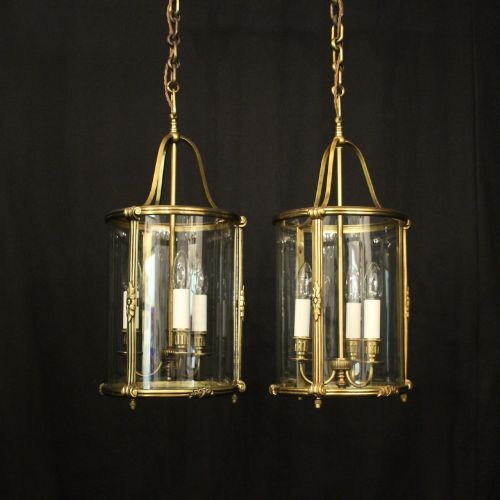
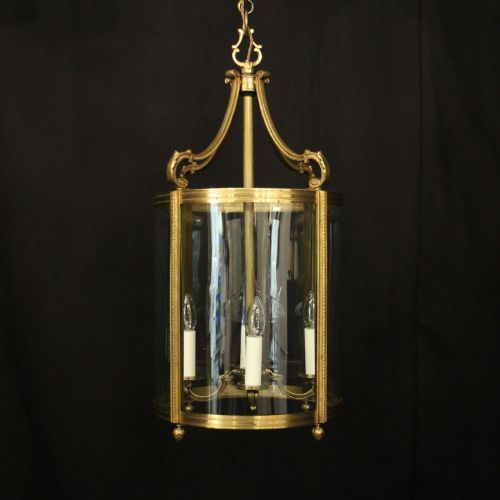


Louis XVI Chandelier
A louis xvi chandelier brings classical restraint and gilt illumination to a room, drawing on eighteenth-century French design.
Louis XVI Chandelier
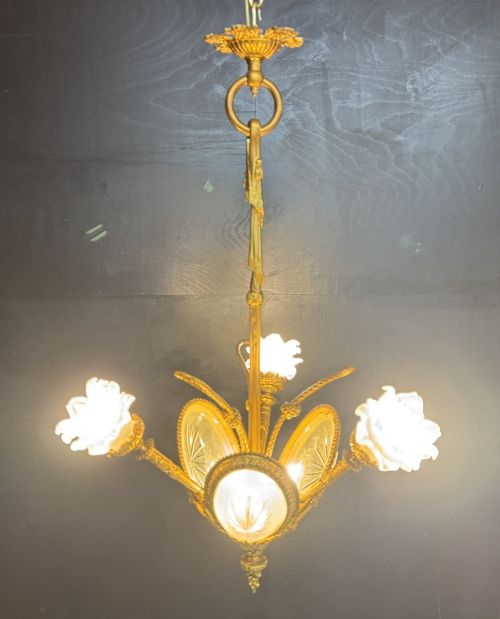
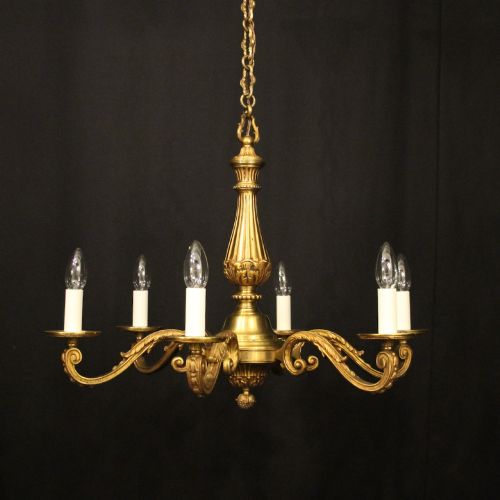
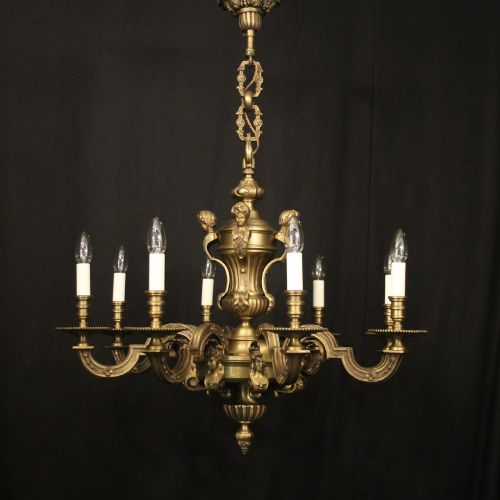
A louis xvi chandelier embodies French Neoclassical design through symmetrical lines and classical motifs. Buyers seeking a louis xvi chandelier will frequently encounter pieces dating from the nineteenth and early twentieth centuries, including revival works and lanterns.
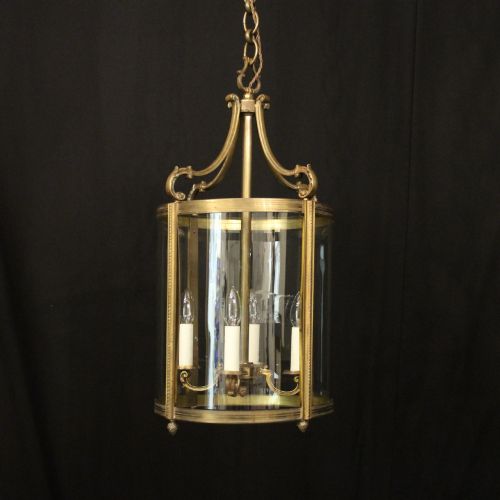
The selection ranges from multi-armed chandeliers with several lights to single-bulb hanging lanterns and hall lanterns. These fixtures use forms like hexagonal frames, convex glass panels, and double-tiered arrangements to illuminate spaces.
Most examples originate from French workshops adhering to Louis XVI style, French Chateau aesthetics, or Louis XVI Revival traditions. They span periods from the Victorian era through the nineteen-thirties.
How they were made
Foundry workers utilised cast bronze, brass, ormolu, and gilt bronze to build the primary metal frameworks. These metal components received gilding to create a bright metallic finish.
Glaziers and metalworkers incorporated glass, cut glass, and frosted glass into lanterns and pendant lights. Structural elements utilised fastening techniques to secure glass panels within hexagonal and convex frames.
Louis XVI Chandelier Retail Price Guide 2026
Typical asking prices for louis xvi chandelier among the pieces listed under this phrase on Sellingantiques today, from the lower quarter to the upper quarter. They describe what is for sale here now, not the wider market.
The listings span the Victorian era up through nineteen-thirty, uniting French Neoclassical style with gilt bronze and cut glass.
What varies in quality
The precision of the metal casting establishes the initial distinction between standard production and superior work. Finely cast bronze and ormolu exhibit crisp relief on classical motifs rather than soft outlines.
The application of gilding and the weight of the metal components determine the overall substance of the piece. Substantial frames with deep, even gilt surfaces outlast lighter brass or plated alternatives.
The Louis XVI Chandelier Glossary
- Ormolu
- Gilt bronze produced by applying a mercury and gold amalgam to a bronze object, then heating to drive off the mercury. This technique creates a rich, durable golden surface.
- Hall lantern
- An enclosed ceiling-hung light fixture designed for entranceways and corridors. These fixtures often feature glass panels held within a metal framework.
- Neoclassical
- A style originating in the eighteenth century that draws inspiration from the classical art and culture of ancient Greece and Rome. It emphasises symmetry, straight lines, and restraint.
- Convex lantern
- A hanging light featuring curved glass panels that bulge outward from the metal frame. This shape disperses light widely across a space.
Louis XVI Chandelier: Frequently Asked Questions
How do I clean an antique chandelier?
Dust the metal and glass components regularly using a soft, dry cloth to prevent buildup.
Avoid chemical polishes that can strip the gilt finish from bronze and brass surfaces.
Can these chandeliers take modern bulbs?
Most antique fixtures accommodate modern candelabra-base bulbs with appropriate wiring checks.
Consult an electrician to ensure the internal wiring safely handles contemporary electrical loads.
Where should I hang a hall lantern?
Hall lanterns suit entryways, corridors, and high-ceilinged landings where vertical space allows.
Ensure adequate clearance beneath the fixture for foot traffic.
How do I date a bronze chandelier?
Examine the casting quality, fastening methods, and surface wear to estimate the period of manufacture.
Nineteenth-century pieces often display heavier cast bronze and hand-finished details compared to later revivals.