

Louis Style Chandelier
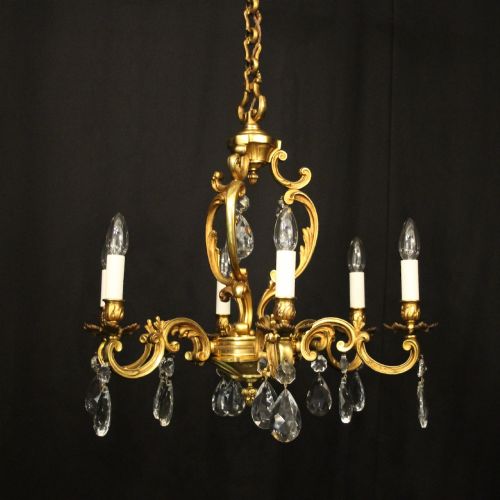
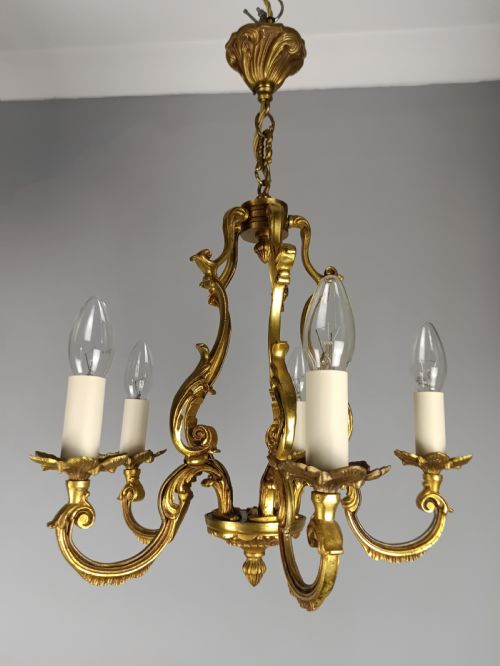
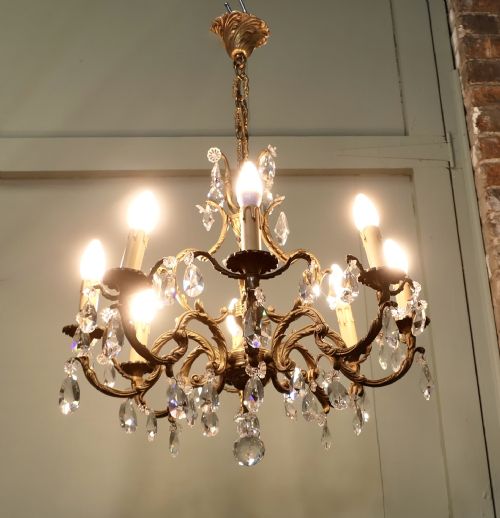
A louis style chandelier brings French chateau grandeur into a room through elaborate metalwork and hanging crystal.
Louis Style Chandelier
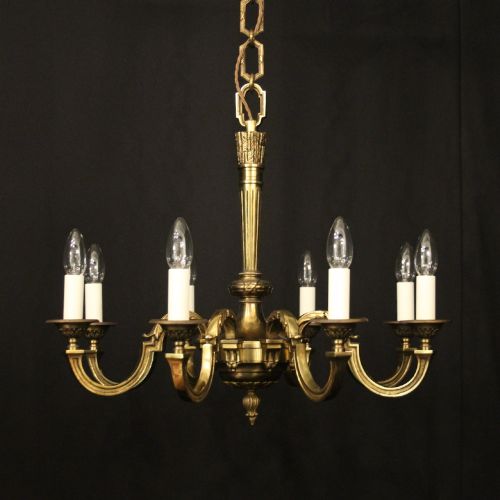
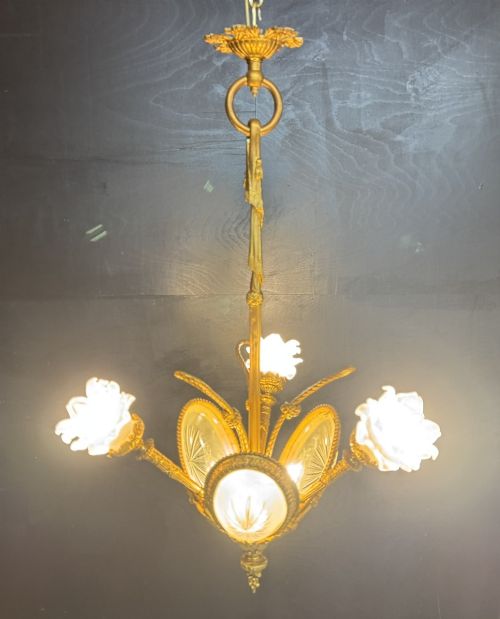
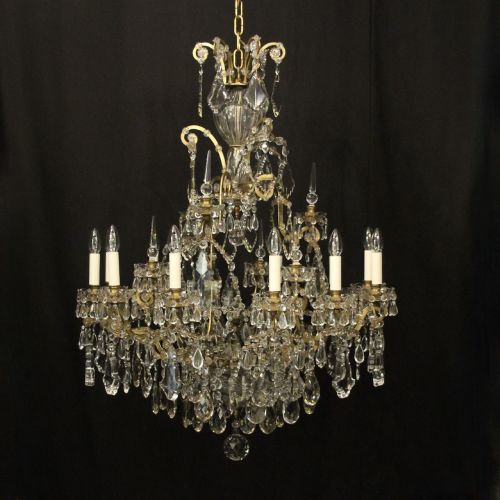
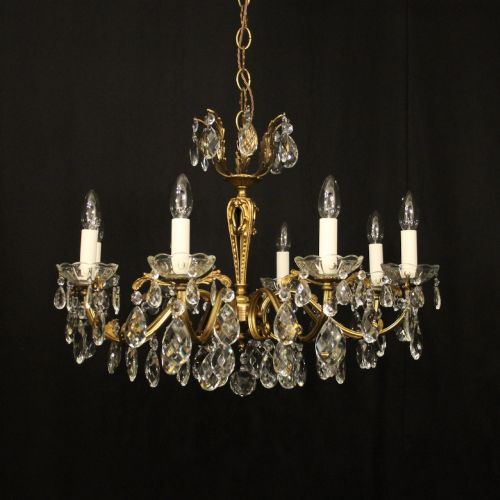
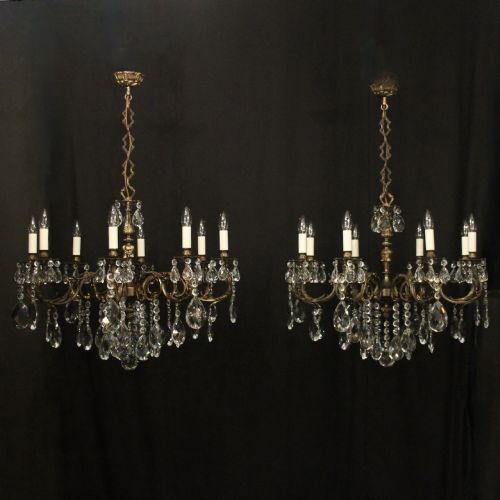
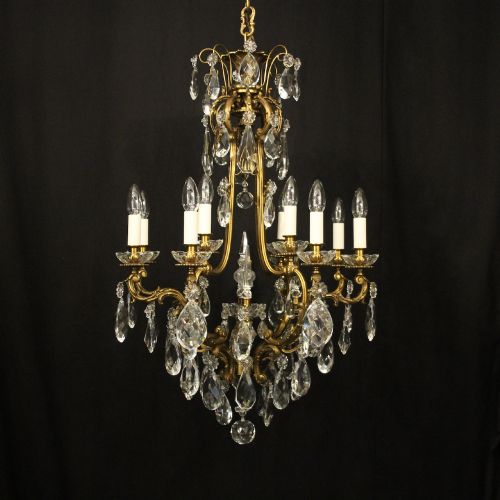
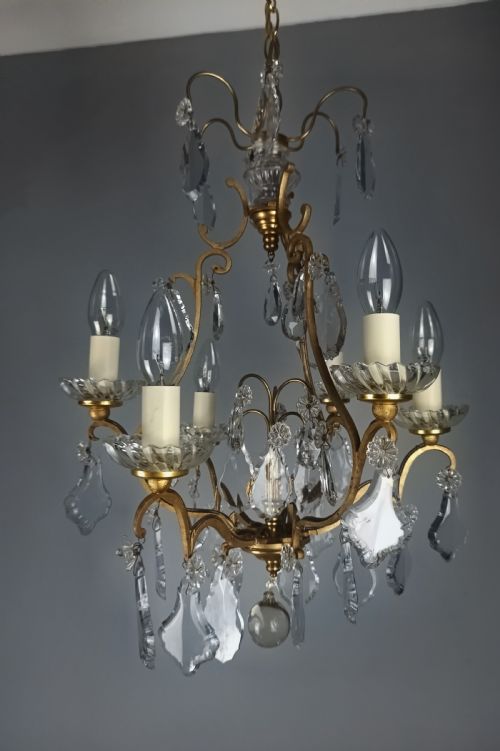
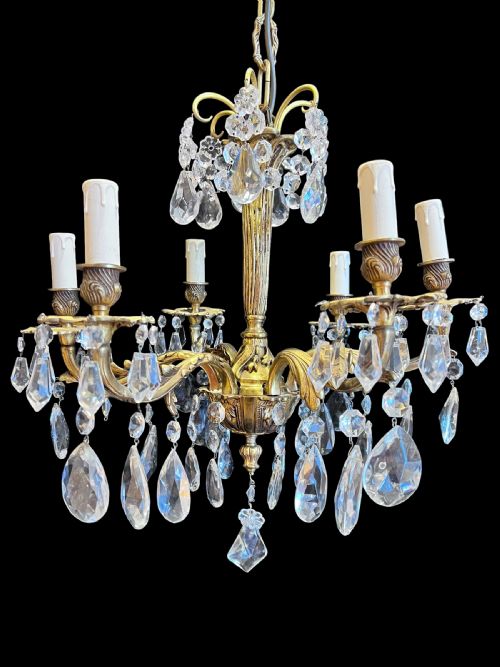
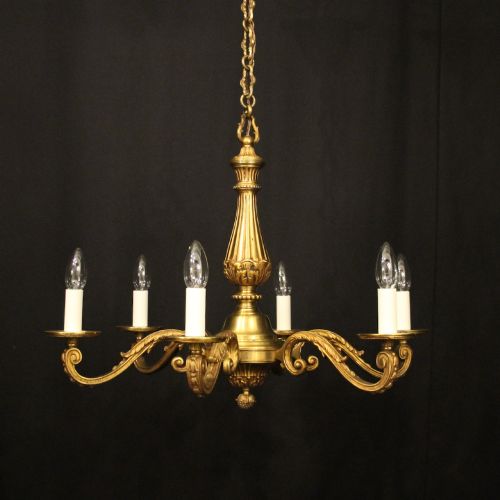
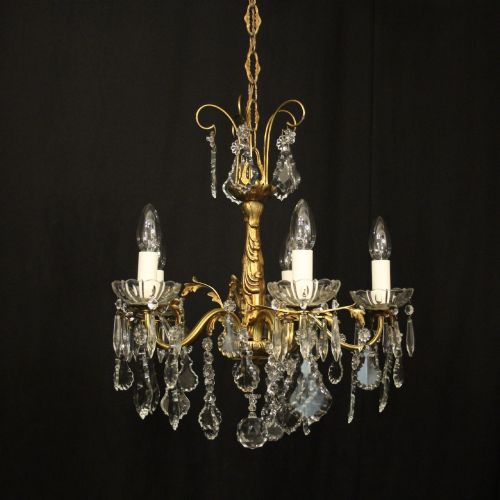
A louis style chandelier draws on French rococo, neoclassical and revival aesthetics to deliver ornate overhead lighting. Buyers searching this phrase meet fixtures originating from the nineteenth century up through the nineteen-thirties, predominantly French in provenance. Formats range from multi-light chandeliers and birdcage frames to hall lanterns, ceiling lights and wall sconces.
The most common versions encountered on this page date from the decades around nineteen-twenty and nineteen-thirty, reflecting popular revival periods. These pieces utilise brass, bronze and metal structures embellished with crystal drops and lustres. They provide functional illumination while serving as major decorative focal points within a space.
Materials and construction methods
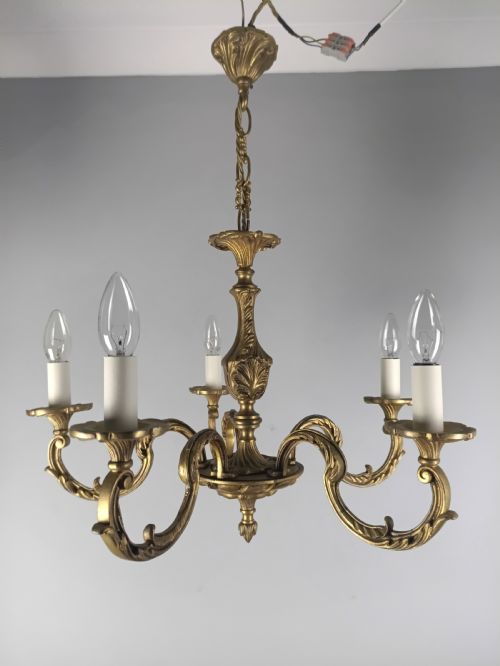
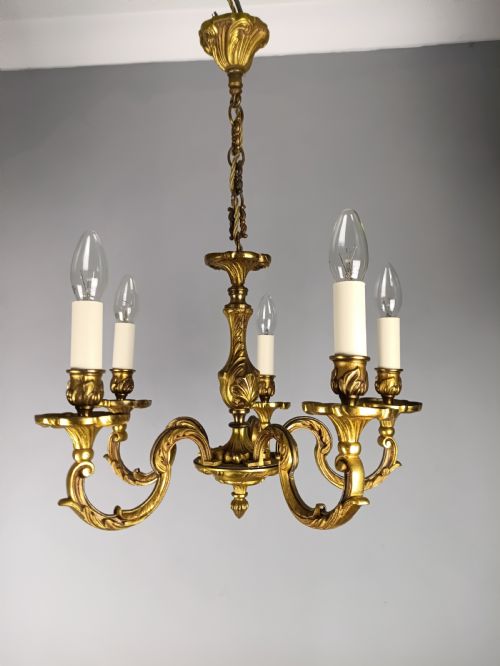
Frames are cast or fabricated from brass, bronze, or standard metal, often finished with gilding or ormolu to achieve a bright surface. Metal components are shaped into arms, rings and birdcage frameworks designed to support multiple light sources. Artisans construct these skeletons to bear the considerable weight of glass and crystal additions.
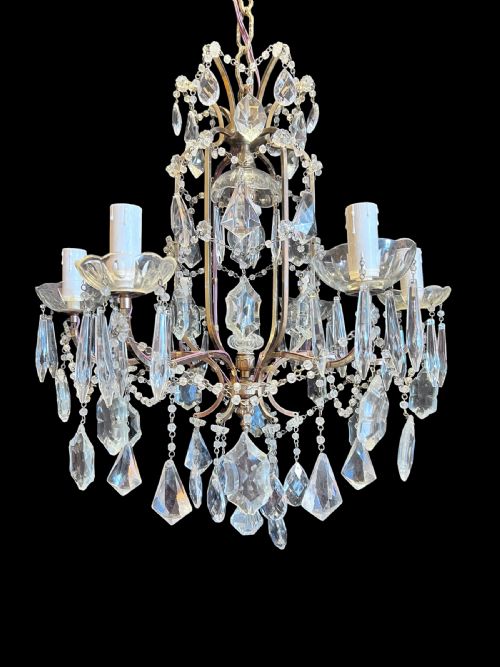
Cut glass and crystal lustres are suspended from the metal armatures using wire or pins, catching and refracting light across the room. Many examples incorporate central shafts surrounded by intricate scrolling brass or bronze work. Older wiring is frequently updated to meet contemporary electrical standards while preserving the historic housing.
Louis Style Chandelier Retail Price Guide 2026
Typical asking prices for louis style chandelier among the pieces listed under this phrase on Sellingantiques today, from the lower quarter to the upper quarter. They describe what is for sale here now, not the wider market.
Certain chandeliers feature so many crystal drops that cleaning them requires the patience of a watchmaker and an entire afternoon.
Distinctions in execution and materials
Quality separates fixtures by the density, cut and clarity of the crystal elements alongside the precision of the metal casting. Heavier, finely chased gilt bronze or ormolu demonstrates superior craftsmanship compared to simpler stamped brass frames. The complexity of the arm configuration, such as multi-tiered tent designs or elaborate birdcage structures, also indicates higher manufacturing ambition.
The integration of the decorative elements dictates the visual coherence of the piece. Superior examples display uniformity in the patination of the metal and completeness in the hanging crystal lustres. Original components that remain intact contribute to the overall integrity of the chandelier.
The Louis Style Chandelier Glossary
- Ormolu
- Gilded bronze used extensively in decorative arts and lighting fixtures to provide a rich metallic surface. This technique involves applying a gold amalgam to bronze.
- Lustre
- A cut glass or crystal pendant hung from a chandelier to refract light. Lustres vary in shape from teardrops to prisms.
- Birdcage chandelier
- A lighting fixture featuring a curved wire or metal frame resembling a birdcage, often wrapped in crystal garlands. This form is common in French revival pieces.
- Hall lantern
- An enclosed ceiling light designed for entranceways and corridors, frequently featuring convex glass panels within a metal frame. These lanterns often match the decorative style of larger reception chandeliers.
- Gilt bronze
- Bronze that has been coated with a thin layer of gold leaf or gilt wash. It offers durability and a lasting metallic sheen.
Louis Style Chandelier: Frequently Asked Questions
How do I hang a heavy antique chandelier?
Suspension requires locating a structural ceiling joist or installing a heavy-duty ceiling brace capable of supporting the combined weight of the metal frame and crystals. Professional installation by an electrician ensures the fixture hangs securely and safely.
Electrical wiring inside older chandeliers often requires updating to meet current safety codes. An electrician can rewire the fixture while maintaining its historic exterior.
What rooms suit a louis style chandelier?
These fixtures suit dining rooms, living spaces and high-ceilinged hallways where their decorative presence and scale can be fully appreciated. Their luminous crystal elements enhance natural light during the day and provide warm illumination at night.
Matching the chandelier scale to the room dimensions ensures proper balance. Smaller three-light versions fit compact spaces, while fourteen or twenty-five-light ballroom models require expansive areas.
How do I clean crystal lustres?
Cleaning involves wiping individual crystal pieces with a gentle solution of warm water and mild dish soap while the chandelier remains hung, or removing them for soaking. Drying each lustre with a lint-free cloth prevents water spots and restores maximum sparkle.
Harsh chemical cleaners should be avoided because they can damage the gilt finish on the brass or bronze frame. Regular dusting with a soft brush maintains the metalwork between deeper cleanings.
How do I date a louis style chandelier?
Dating relies on examining the construction methods of the metal frame, the style of the casting, and the electrical components where present. Nineteenth-century examples often exhibit hand-chased bronze work, whereas nineteen-twenties and thirties pieces reflect revival manufacturing techniques.
Comparing the specific proportions and decorative motifs against documented French design periods helps narrow the production era. Hallmarks, stamps, or the type of wiring insulation can offer additional clues to the age.