



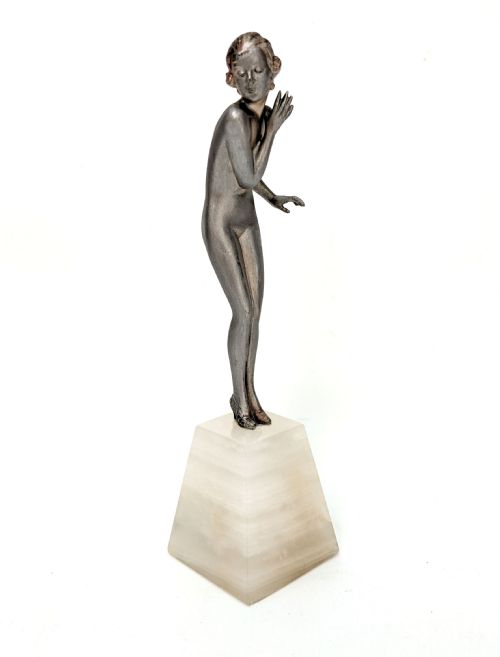


Lorenzl Bronze Dancer
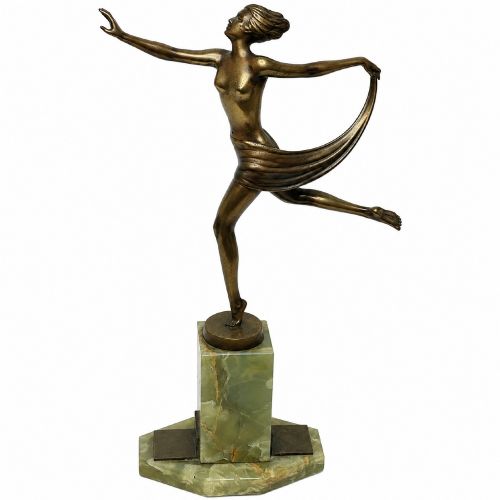
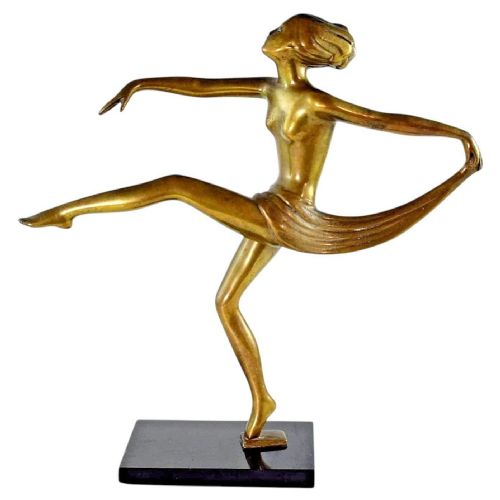
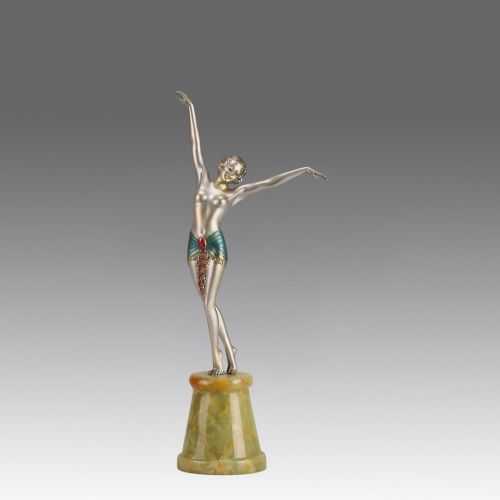
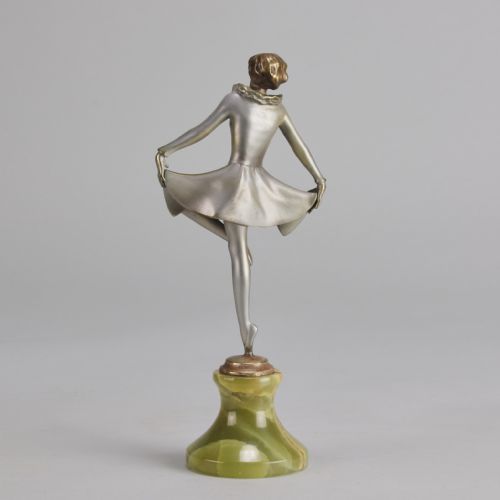
These lorenzl bronze dancer figures capture the dynamic movement and elegance of the Art Deco period.
Lorenzl Bronze Dancer
When you search for a lorenzl bronze dancer, you are looking at early twentieth-century sculptures and figurines produced during the 1920s and 1930s. These works capture female dancers, ballerinas, and scarf dancers in motion, often associated with the Art Deco style.
The versions you are most likely to meet on this page include cold-painted bronze figures mounted on onyx or marble bases, alongside examples finished in silvered or gilt bronze. Pieces such as Maria Jeritza and titled studies like Curtsy, Running Girl, Bella, Charlotte, and Wanda appear frequently in the listings.
These sculptures reflect the artistic output of Austrian workshops from the interwar decades. They range from unsigned figures to those explicitly attributed to Josef Lorenzl, capturing theatrical performances and modern dance of the era.
How they were made
Makers utilised traditional foundry methods to cast these figures in bronze or spelter. Molten metal poured into moulds created the slender, elongated forms characteristic of the period.
Surface decoration involved meticulous cold-painting, enamelling, or applying gilt and silvered finishes directly onto the metal. Many figures were then mounted onto heavy stone bases such as onyx or marble for stability.
Lorenzl Bronze Dancer Retail Price Guide 2026
Typical asking prices for lorenzl bronze dancer among the pieces listed under this phrase on Sellingantiques today, from the lower quarter to the upper quarter. They describe what is for sale here now, not the wider market.
What varies in quality
The finesse of the cold-painted surface and the crispness of the casting details distinguish finer figures from simpler ones. Masterful application of enamel and paint preserves the expressive faces and slender limbs of the dancers.
The choice and quality of the mounting base also influence the overall character of the piece. Selected onyx and marble plinths provide a substantial foundation that complements the metallic sheen of the bronze.
Josef Lorenzl
The Lorenzl Bronze Dancer Glossary
- Art Deco
- A design style spanning the 1920s and 1930s characterised by sleek lines, geometric influences, and a focus on modernity. It heavily influenced sculpture and decorative arts of the interwar period.
- Cold-painted bronze
- A technique where bronze sculptures are painted with polychrome paints after casting, rather than firing the pigment onto the metal at high temperatures. This finish requires careful preservation over time.
- Onyx
- A banded variety of chalcedony often used as a heavy, decorative base for bronze figurines. Its natural striations provide a polished contrast to the metallic figures.
- Spelter
- A zinc-based alloy frequently utilised as a cost-effective alternative to bronze for sculptural figures during the early twentieth century. It accepts metallic finishes similarly to bronze.
Lorenzl Bronze Dancer: Frequently Asked Questions
What periods do these dancer figures come from?
These pieces date from the 1920s and 1930s, aligning with the height of the Art Deco movement.
They reflect the fashion, theatre, and dance culture of the interwar years in Europe.
How were these bronzes displayed originally?
Sculptures were typically mounted on heavy stone plinths made of onyx or marble.
This provided a stable foundation for slender figures with outstretched arms or dynamic poses.
Are all figures signed by the artist?
Not all pieces bear a signature, as many workshop productions remained unsigned.
Attribution often relies on stylistic characteristics, casting techniques, and known subject titles.
What materials besides bronze appear in these works?
Selected pieces incorporate silvered bronze, gilt finishes, and intricate cold-painted enamel details.
Bases are commonly constructed from natural stone materials like onyx and marble.