

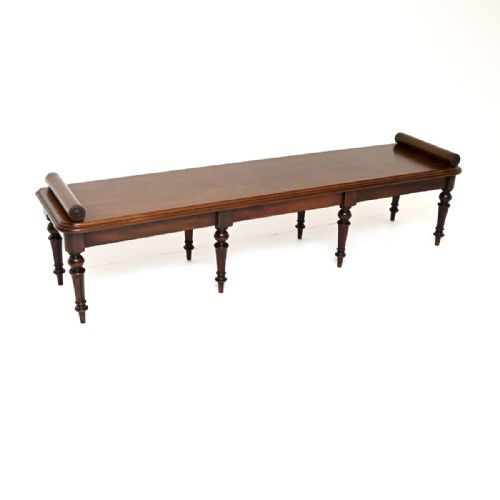
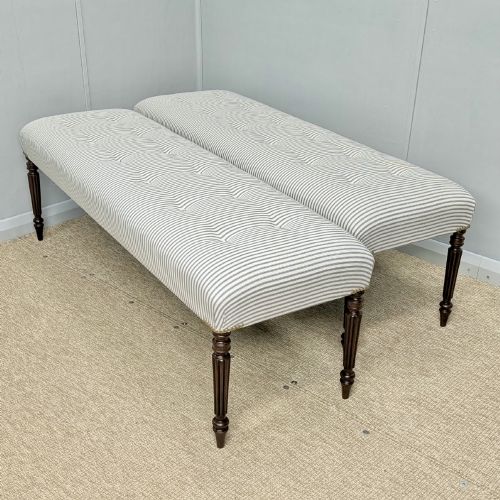
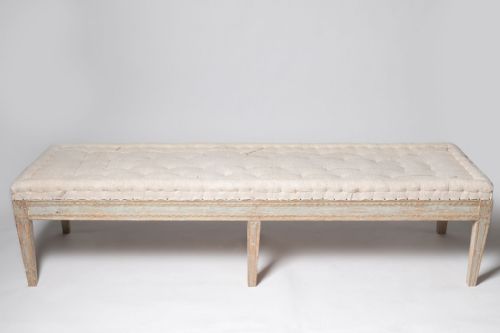
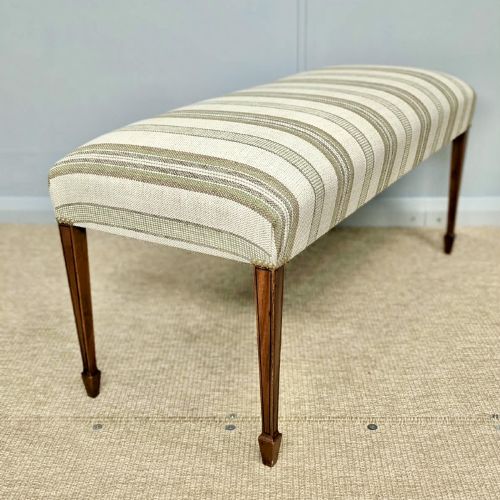

Long Window Bench
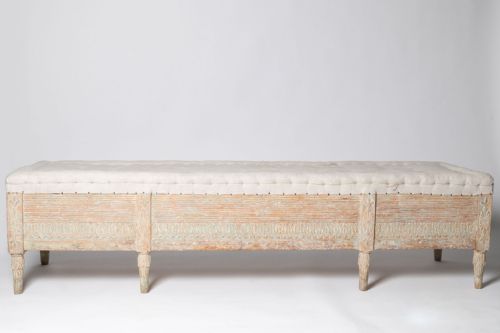
A long window bench bridges the gap between seat and table, offering low-slung utility beneath deep panes of glass.
Long Window Bench
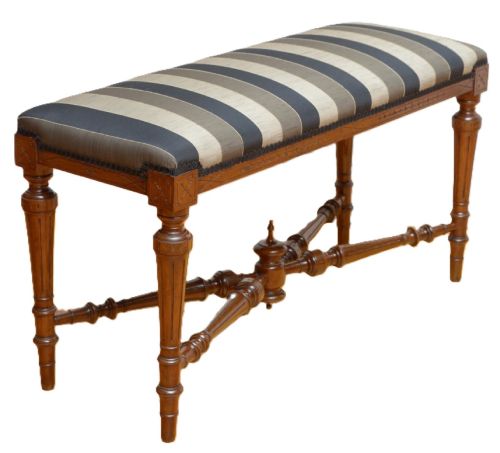
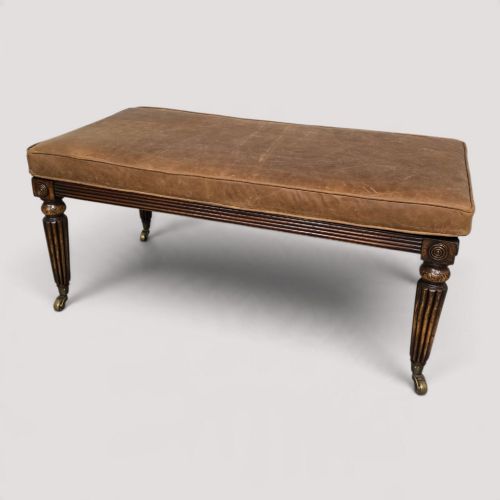
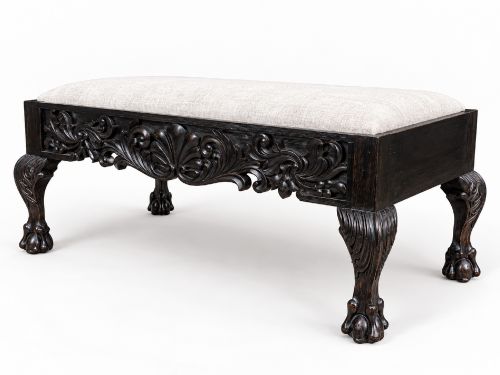
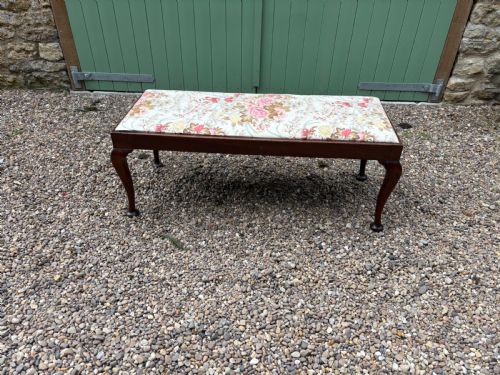
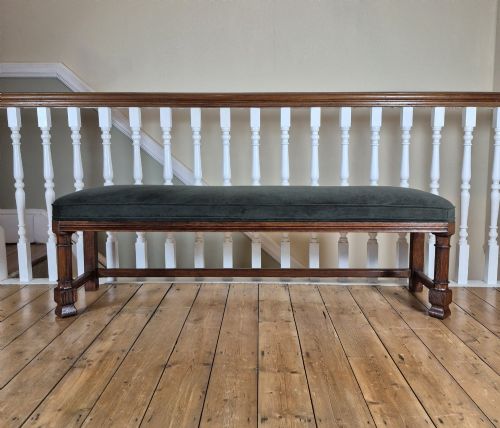
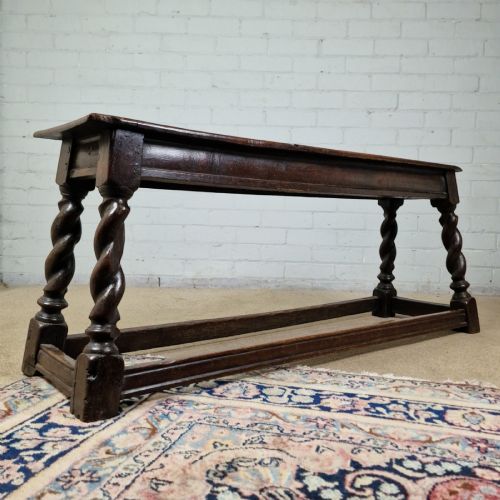
When you search for a long window bench, you encounter low seating designed to sit neatly beneath deep sills or span wide hallways. These pieces draw from diverse vernaculars, appearing in sturdy oak, polished mahogany, and painted frames across the eighteenth, nineteenth, and early twentieth centuries.
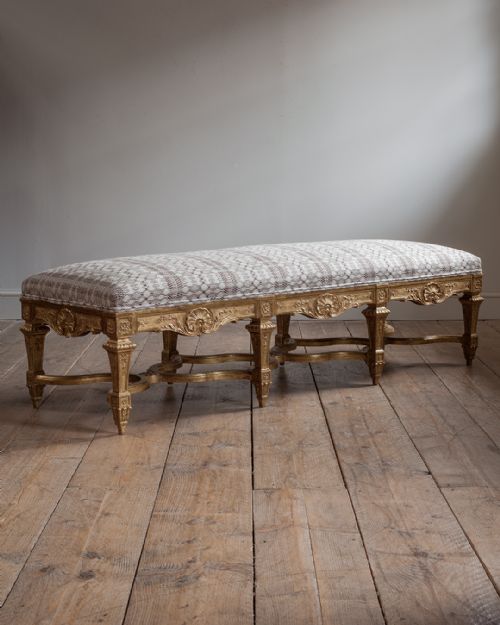
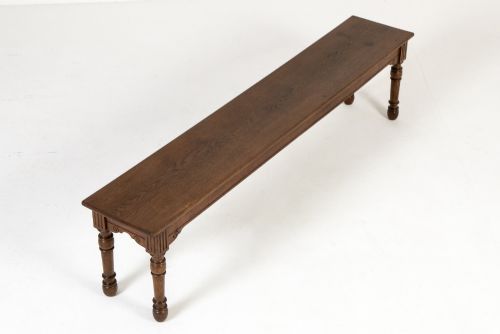
The selections available here range from austere Gothic Revival designs and Georgian mahogany frames to Swedish birch, Italian carved walnut, and French giltwood variants. Many double as hall benches, piano duet stools, or low tables, reflecting the versatile domestic functions these elongated forms served historically.
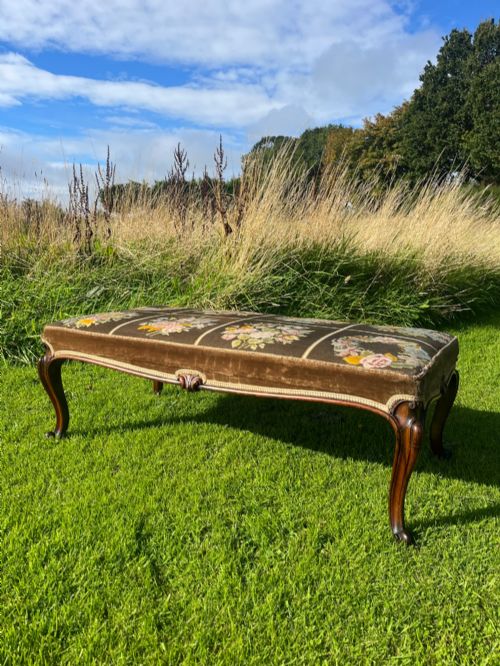
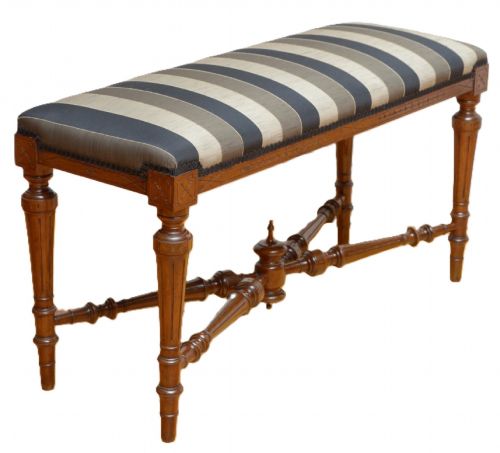
Victorian and Edwardian iterations dominate the selection, often featuring upholstered tops in linen, leather, or printed velvet. Buyers will also find pairs of long benches, cane-seated examples, and pieces resting on cabriole or fluted legs.
How they were made
Cabinetmakers constructed the foundational frames of these benches using dense native and imported timbers, primarily oak, mahogany, walnut, and rosewood. Joinery relied on traditional pinned mortise and tenon joints for structural rigidity, particularly in heavily loaded hall and window variants.
Surface finishes varied widely according to period and regional taste, encompassing hand-polished French polish on mahogany, ebonised treatments on Victorian walnut, and giltwood or painted finishes on continental pieces. Upholstered versions utilised traditional webbing, horsehair stuffing, and brass-studded leather or textile coverings fixed directly to the timber frame.
Long Window Bench Retail Price Guide 2026
Typical asking prices for long window bench among the pieces listed under this phrase on Sellingantiques today, from the lower quarter to the upper quarter. They describe what is for sale here now, not the wider market.
Upholstery materials span plain linen, buttoned leather, and iconic patterned velvet fabrics by William Morris.
What varies in quality
The distinction between ordinary and exceptional examples rests in the proportion and refinement of the carved detail. Master carvers imparted fluidity to cabriole legs, ball and claw feet, and scrolled arm supports, whereas lesser workshops produced rigid, heavy-handed outlines.
Integrity of timber selection and original joinery dictate longevity, as long spans require stout internal bracing to prevent sagging under weight. Retaining original show-wood surfaces, period upholstery substrates, and unaltered proportions marks the upper tier of surviving examples.
The Long Window Bench Glossary
- Duet stool
- An elongated seat designed originally to accommodate two piano players side by side. These often feature hinged compartments beneath the squab for sheet music.
- Giltwood
- Timber coated with a thin layer of gold leaf over a prepared gesso ground. Common on decorative French and Italian revival frames.
- Cabriole leg
- A furniture leg that curves outward at the knee and tapers inward at the ankle, ending in a pad, claw, or scroll foot. This shape derives from animal limbs and gained popularity during the eighteenth century.
- Gothic Revival
- An architectural and decorative style drawing inspiration from medieval forms. Pieces display pointed arches, tracery, and heavy structural oak.
- Regency
- A British design period spanning the early nineteenth century characterised by classical motifs, Greco-Roman influences, and dark figured mahogany.
Long Window Bench: Frequently Asked Questions
Where do you put a long window bench?
These benches fit naturally beneath wide low-set glazing, filling awkward expanses of floor space with functional seating.
They also serve effectively along narrow entryways as hall benches for putting on shoes or dropping correspondence.
Can I use a window bench as a coffee table?
Upholstered versions easily transition into makeshift coffee tables when paired with a sturdy tray placed across the fabric top.
Wooden or cane-seated variants function immediately as low display surfaces without modification.
How do I date an antique bench?
Dating relies on examining the timber species, tool marks left by saws, and the construction methods used in the frame's interior.
Stylistic cues such as cabriole legs, fluting, or specific revival motifs narrow the manufacturing window to a particular decade or reign.
Are these benches sturdy enough for daily seating?
Solid hardwood frames built with traditional joinery easily withstand daily domestic use in busy households.
Long spans require sound internal bracing, so checking the stability of the legs and stretcher base is essential for heavy traffic areas.