






Logs Holder Basket
A logs holder basket brings solid metal and timber by the hearth, holding winter fuel with practical grace.
Logs Holder Basket
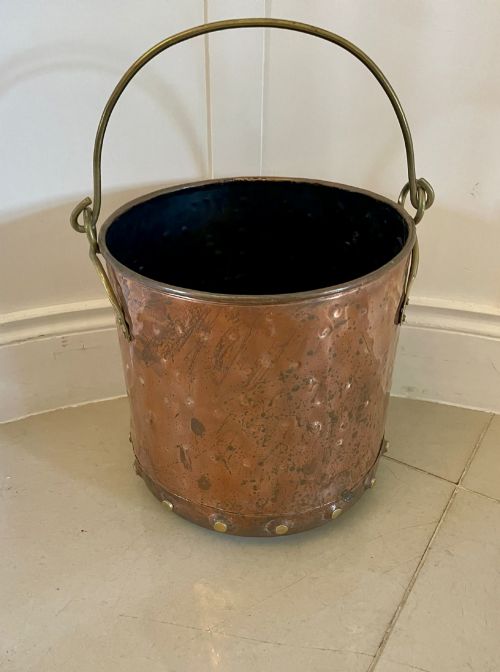
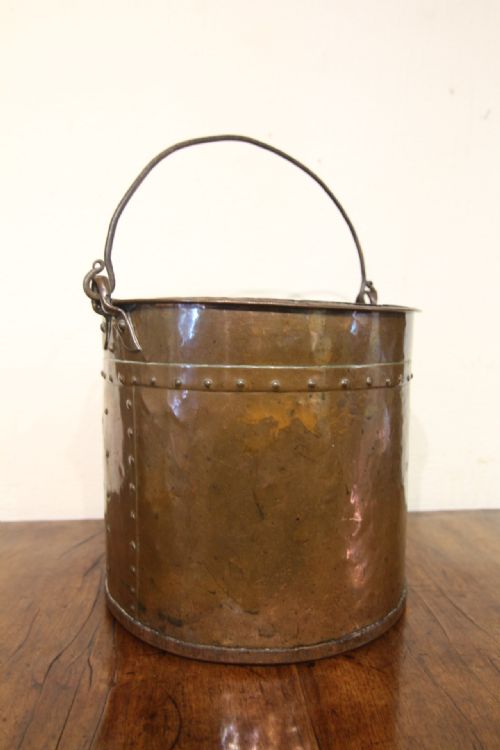
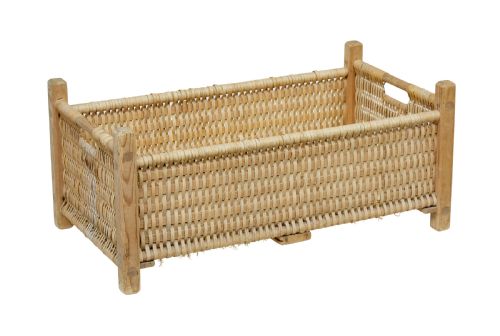
A logs holder basket serves the fireplace as a sturdy vessel for fuel, bringing order to the hearth through practical design. When searching this phrase, buyers encounter heavy metal buckets, riveted copper bins, and hand-woven pine containers.
The selection here draws heavily from nineteenth-century forms, alongside Georgian and early twentieth-century examples. Metal vessels dominate the offerings, constructed primarily for coal, logs, and kindling beside the grate.
How they were made
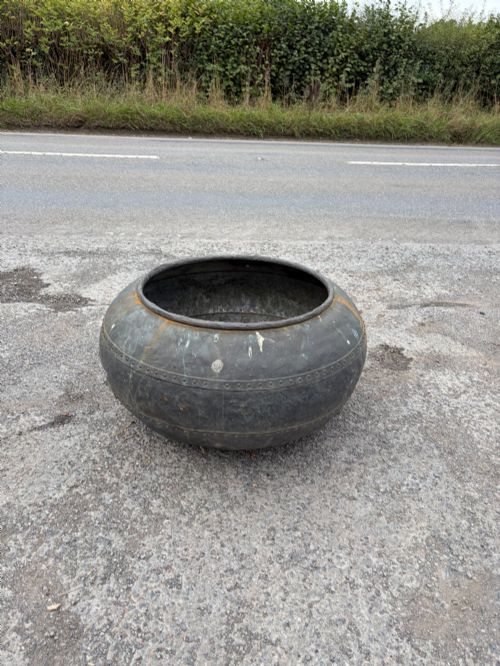
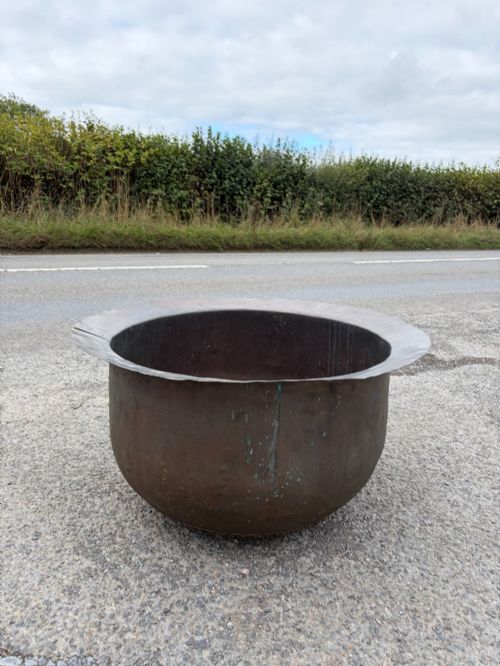
Metal vessels rely on the strength of copper, brass, and iron, shaped by hand with riveted seams and forged handles. Blacksmiths hammered iron into robust frames and swing handles, while coppersmiths raised heavy sheets into seamless or jointed cauldrons and bins.
Timber examples utilise traditional carpentry and basketry techniques, employing oak, pine, and wicker. Hand-woven pine strips and sturdy staves create breathable structures suited for storing dry wood near the fire.
Logs Holder Basket Retail Price Guide 2026
Typical asking prices for logs holder basket among the pieces listed under this phrase on Sellingantiques today, from the lower quarter to the upper quarter. They describe what is for sale here now, not the wider market.
Listings feature copper, brass, iron, and pine across nineteenth-century and early twentieth-century periods.
What varies in quality
The thickness of the metal and the integrity of the construction define the upper tier of these vessels. Heavy gauge copper and substantial iron mountings indicate a piece built to bear the weight of dense timber without buckling.
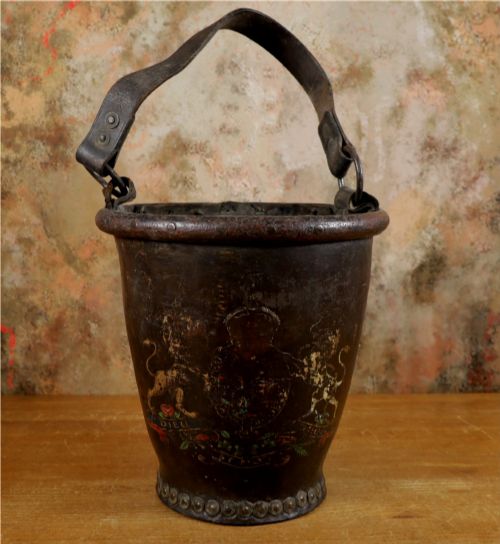
Surface finish and original patination separate utilitarian survivors from refined fireside furnishings. Hand-hammered detailing, brass banding, and well-preserved maker's marks or heraldic studs elevate the presence of a piece by the hearth.
The Logs Holder Basket Glossary
- Coal scuttle
- A metal container designed for carrying and storing coal, often featuring a sloped opening and a hinged handle for easy pouring.
- Cauldron
- A large round metal pot with a swing handle, traditionally used over an open fire but adapted for indoor log storage.
- Dinanderie
- A term for objects made of brass, copper, or bronze, particularly decorative vessels produced in European workshops.
- Andirons
- Heavy iron supports placed in a hearth to hold logs above the base of the fireplace, allowing air to circulate beneath the fire.
- Wrought iron
- Iron that has been heated and hammered into shape by a blacksmith, recognised by its fibrous texture and durable character.
Logs Holder Basket: Frequently Asked Questions
How do I clean an antique copper log bin?
Clean antique copper gently using warm soapy water and a soft cloth to preserve the dark patination accumulated over generations. Avoid harsh chemical polishes that strip away the aged character prized in fireside metalwork.
Dry the surface thoroughly after washing to prevent water spotting. A light application of microcrystalline wax can protect the metal from further tarnishing near the hearth.
Can I use these baskets for modern logs?
These vessels accommodate standard firewood logs, provided the dimensions and weight capacities match your fuel supply. Metal bins and heavy wooden boxes handle heavy loads with ease.
Ensure rough bark does not trap moisture against antique timber or unprotected interior surfaces. Lining vulnerable woven baskets with burlap helps protect the original structure.
How do I date a brass banded coal bucket?
Dating relies on construction methods, fastener types, and stylistic cues such as Georgian banding or Victorian rivet patterns. Hand-forged iron elements and dovetail joints point towards earlier manufacturing periods.
Compare the weight and metal composition against known nineteenth-century standards. Machine-cut screws and modern adhesives indicate later twentieth-century restoration or reproduction work.
Where should I place a log holder by the fire?
Position the holder close enough to the hearth for convenient refueling while keeping it safe from stray sparks. Metal buckets stand safely near open flames, whereas woven pine baskets benefit from a slight distance.
Consider the clearance needed for companion tools like pokers and tongs. A well-placed bin anchors the fireside arrangement without cluttering the hearth space.