
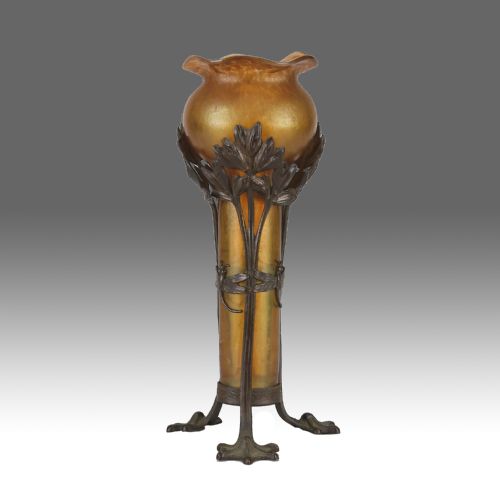
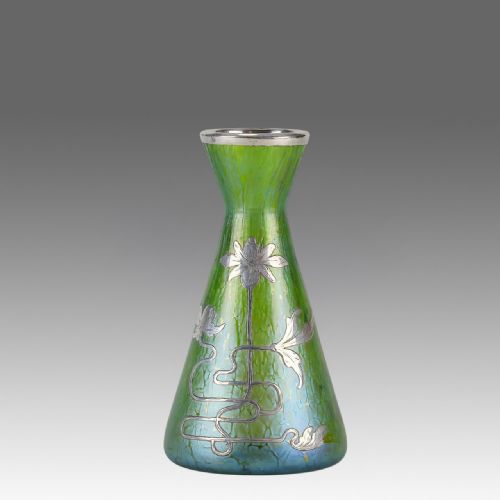


Loetz Iridescent Glass Vase
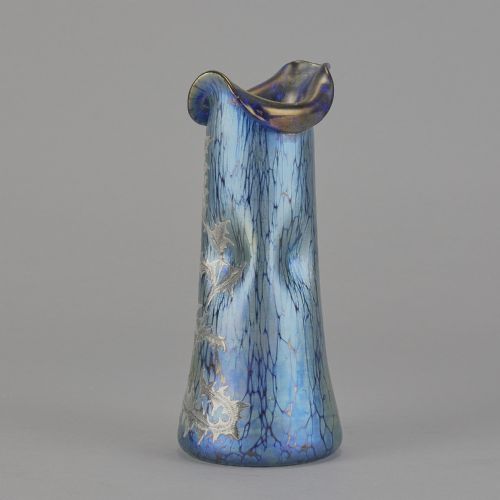
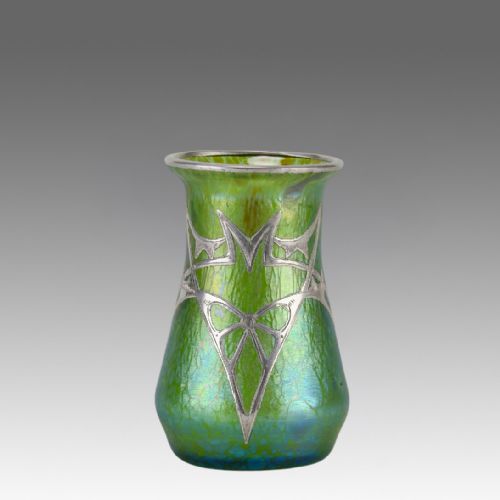
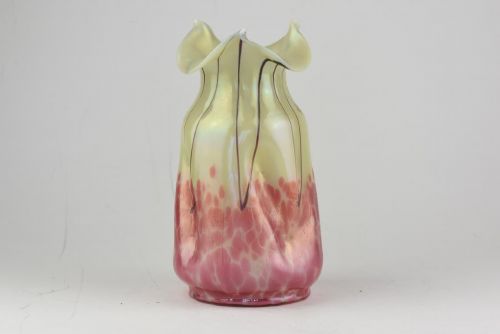
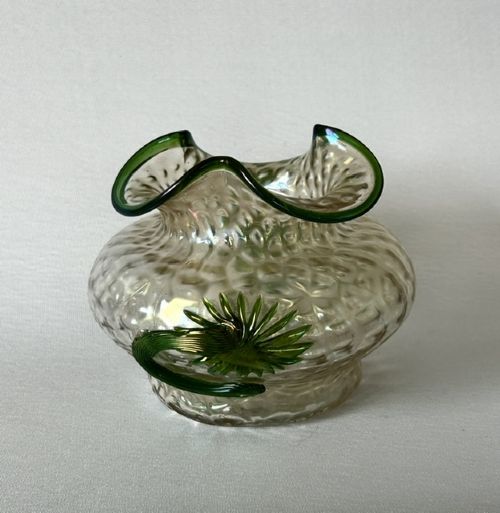
A loetz iridescent glass vase is a piece of blown glass from the turn of the twentieth century, prized for its shimmering metallic surfaces.
Loetz Iridescent Glass Vase
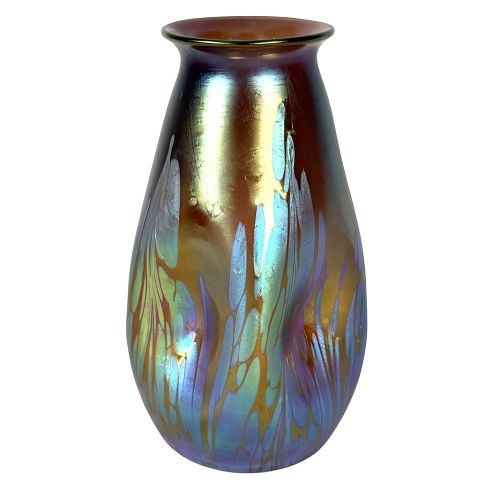
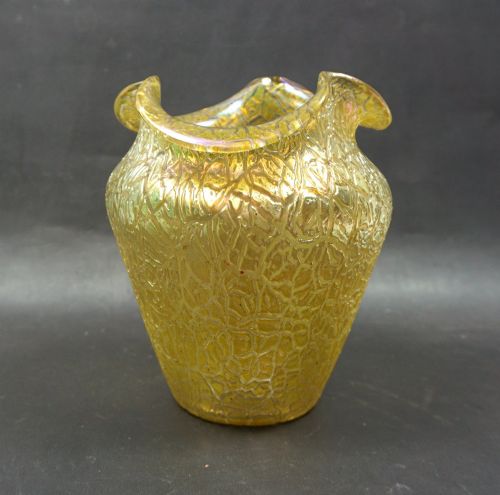
When you search for a loetz iridescent glass vase, you are looking at blown glass objects originating from Bohemia during the early twentieth century and the nineteenth century. The pieces on this page heavily reflect the Art Nouveau and Vienna Secession or Secessionist styles, often bearing distinctive decors such as Papillon and Candia.
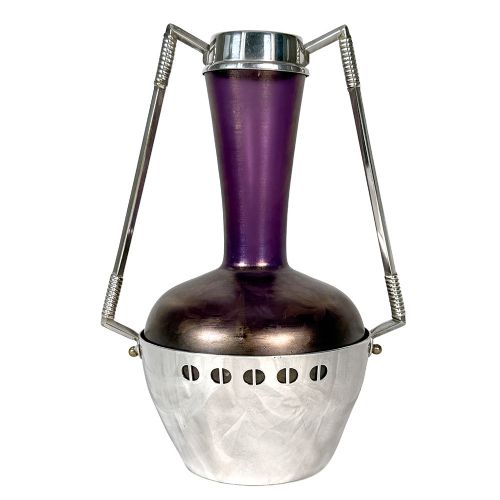
The most common version met here is the Austrian production from around nineteen hundred, frequently incorporating iridescent glass. Many examples are enhanced with sterling silver, silver overlay, or bronze mounts, reflecting the collaborative metalwork of the period.
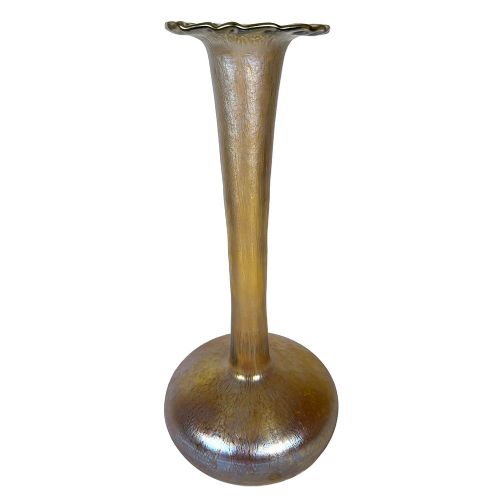
Makers represented include Johann Loetz, alongside related works by Pallme Konig, Kralik, and Robert Holubetz. Forms range from standard vases to Jack in the Pulpit shapes and mounted vessels.
How they were made
These pieces rely on blown glass techniques combined with chemical treatments to create their signature shimmering surfaces. Molten glass is manipulated while hot to achieve organic forms, such as the Jack in the Pulpit shape or conical profiles.
Makers applied metallic oxides to the hot glass to produce the iridescent sheen characteristic of the period. Silver overlay, bronze mounts, and pewter stands were often added subsequently to complete the design.
Listings feature items from the nineteenth century up to nineteen ten, predominantly utilising iridescent glass alongside silver and bronze.
What varies in quality
The sophistication of the iridescence and the complexity of the specific décor dictate the standing of an individual piece. Decors like Phänomen or detailed silvered patterns demonstrate greater technical ambition than simpler surfaces.
The integration of metalwork, whether silver overlay or bronze and pewter mounts by makers like J Reinemann, alters the overall character. The precision of the glassblowing and the preservation of the metallic sheen determine the strength of the example.
Loetz Witwe·Johann Loetz·Pallme Konig·Kralik·Robert Holubetz
The Loetz Iridescent Glass Vase Glossary
- Iridescent Glass
- Glass treated with metallic oxides while hot to produce a rainbow-like sheen. This effect defines the primary visual appeal of the category.
- Papillon
- A specific décor pattern featuring mottled, insect-wing reflections across the surface. It appears frequently in blue and green glass variations.
- Secessionist
- An artistic style associated with the Vienna Secession movement of the early twentieth century. It emphasises geometric abstraction over fluid organic lines.
- Silver Overlay
- Metal worked directly onto the glass body in decorative motifs. This technique combines glassware with silver smithing.
- Phänomen
- A complex threaded glass technique developed to create combed, wave-like patterns within the material. It represents some of the most ambitious manufacturing of the era.
Loetz Iridescent Glass Vase: Frequently Asked Questions
How do I identify a Loetz vase?
Look for characteristic decors like Papillon or Candia combined with Art Nouveau forms and distinct iridescence.
Examine the base and body for hallmarks of Austrian production from around nineteen hundred, noting any silver mounts or metal stands.
What is iridescent glass?
Iridescent glass is blown glass treated with metallic salts during production to create a shimmering, rainbow effect.
This technique mimics natural mother-of-pearl and was a hallmark of glassmaking at the turn of the twentieth century.
Are these vases marked?
Many pieces carry etched signatures or paper labels, though a significant number rely on stylistic attribution.
Matching the specific décor, colour, and glass characteristics helps confirm the origin when marks are absent.
How should I display my vase?
Place the piece near natural light sources to fully activate the metallic sheen and colour shifts of the iridescence.
Keep them away from direct, harsh sunlight and handle metal mounts with care during cleaning.