


Loetz Glassware
Loetz glassware brings unmistakable Art Nouveau iridescence and organic forms to a room, catching the light with a molten, shifting sheen.
Loetz Glassware
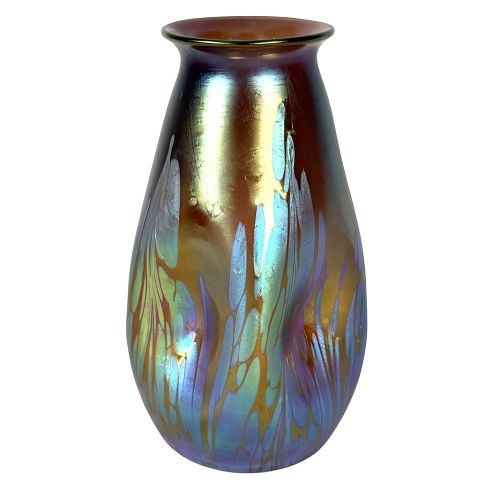
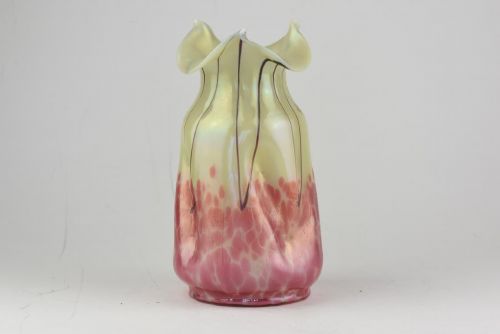
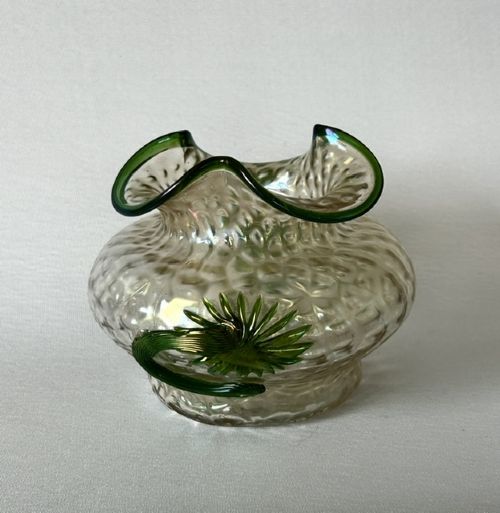
When you search for loetz glassware, you encounter iridescent glass vessels spanning the Art Nouveau, Vienna Secession, Jugendstil, and Art Deco periods, originating primarily from Bohemia around 1900 to the 1920s. The forms you are most likely to meet on this page are vases, alongside occasional pairs of liqueur glasses.
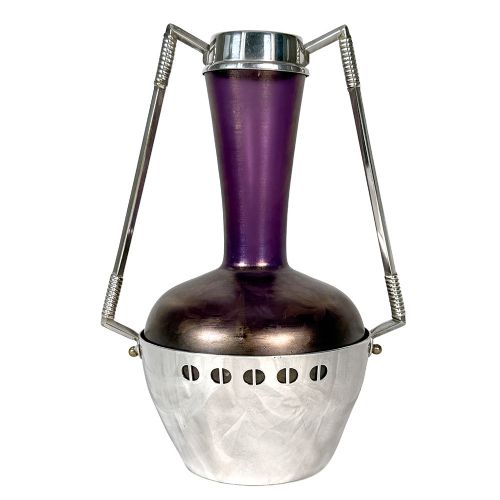
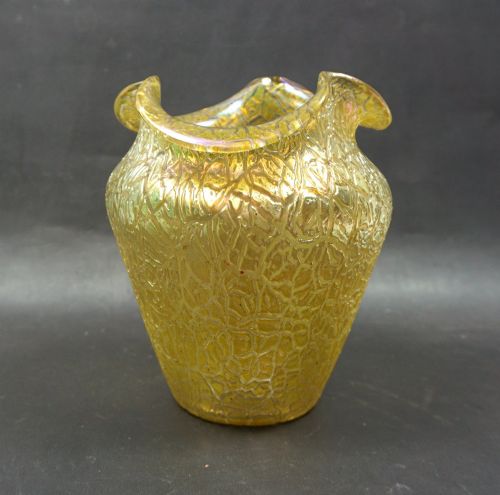
The offerings include distinctive decors such as Medici, straw papillon, Candia Mimosa, Vesuvian Tadpole, Papillon, and Bronce Glatt. Some pieces stand alone, while others feature metal mounts in silver plate or pewter from makers such as Argentor and J Reinemann, or relate to makers like Pallme Konig and Kralik.
How they were made
Makers utilised blown glass and hand-blown glass techniques to shape organic silhouettes like the Jack in the Pulpit form. Molten metal oxides were applied to the surface to achieve the characteristic iridescent finish seen across green glass and other hues.
Metalworkers combined pewter and silver plate to create intricate stands and mounts that frame the glass bodies. These mounts were specifically engineered to complement the fluid lines of the iridescent vessels.
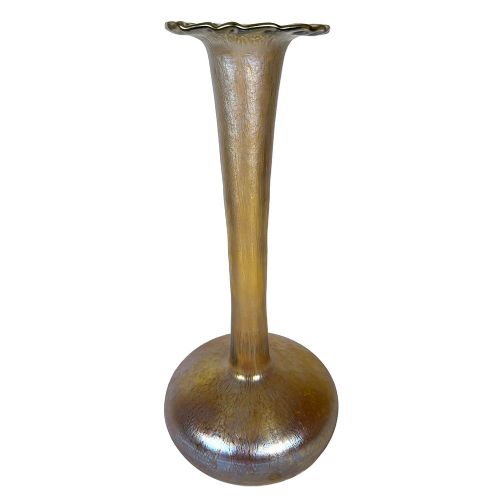
Certain vases mimic the shape of an exotic flower, stretching upward like a blossom opening toward the sun.
What varies in quality
The sophistication of the iridescent sheen and the complexity of the specific decor define the visual impact of each piece. Papillon and Medici decors demonstrate distinct optical depth compared to plainer surfaces.
The presence and craftsmanship of original metal mounts, such as silver plate or pewter stands, elevate the stature of a vessel. The harmony between the glass body and its metal housing determines the overall cohesion of the work.
Loetz·Argentor·Pallme Konig·Kralik·J Reinemann
The Loetz Glassware Glossary
- Iridescent glass
- Glass treated with metallic salts to produce a rainbow-like sheen that shifts in the light. This effect is a defining characteristic of many Art Nouveau pieces.
- Art Nouveau
- A decorative style prevalent around 1900 characterised by fluid, organic lines inspired by natural forms. It heavily influenced Bohemian glassmakers of the era.
- Decor
- A specific pattern, colour combination, or surface treatment applied to glass, such as papillon or Candia Mimosa. Each decor creates a distinct visual texture.
- Jugendstil
- The German and Austro-Hungarian variant of the Art Nouveau movement. It manifests in the sinuous, restrained silhouettes of the period.
- Silver plate
- A thin layer of silver applied to a base metal mount. It provides the lustrous finish seen on certain framed vases.
Loetz Glassware: Frequently Asked Questions
What is loetz glassware?
Loetz glassware comprises iridescent art glass vessels produced in Bohemia during the late nineteenth and early twentieth centuries. These pieces are celebrated for their experimental chemical treatments and organic forms.
The works align closely with the Art Nouveau and Jugendstil movements, capturing natural phenomena through shimmering metallic surfaces and fluid contours.
How do I identify a decor?
Decor identification relies on observing the specific pattern of spots, threads, or crystalline effects embedded within the iridescent glass. Terms like papillon and Medici describe these distinct visual signatures.
Reference guides and historical catalogues help match the surface characteristics of a vessel to its recorded factory name from the Bohemian production era.
How should I display them?
Display these pieces in locations with direct or natural light to activate the shifting colours of the iridescent surface. Placing them away from high-traffic areas ensures the glass and mounts remain secure.
Allowing sufficient space around each vessel lets the organic silhouettes and metallic mounts be appreciated from multiple angles.