




Loetz Art Glass
Loetz art glass delivers iridescent surfaces and organic forms that define the height of European design.
Loetz Art Glass
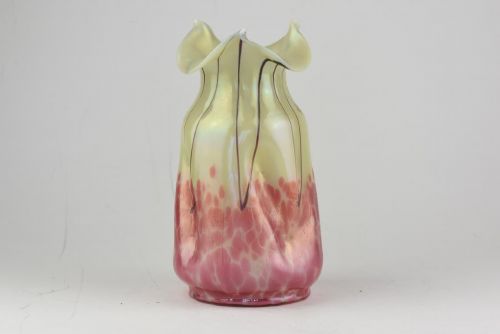
When you search for loetz art glass, you encounter iridescent vessels from the late nineteenth and early twentieth centuries, primarily shaped as vases, bowls, and inkwells. These objects embody the aesthetics of Art Nouveau, Vienna Secession, and Jugendstil movements, emerging from Bohemian workshops.
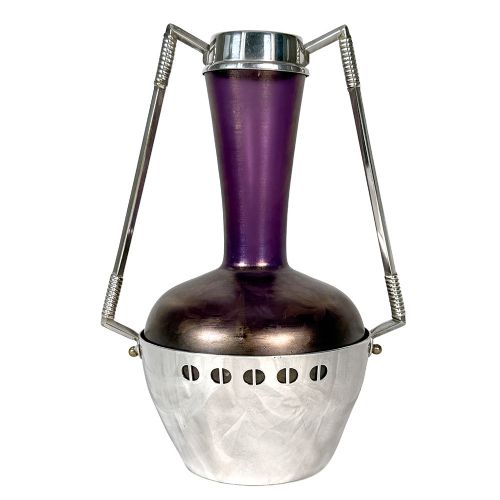
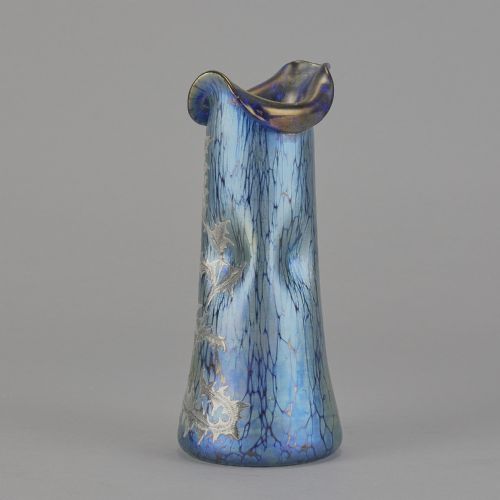
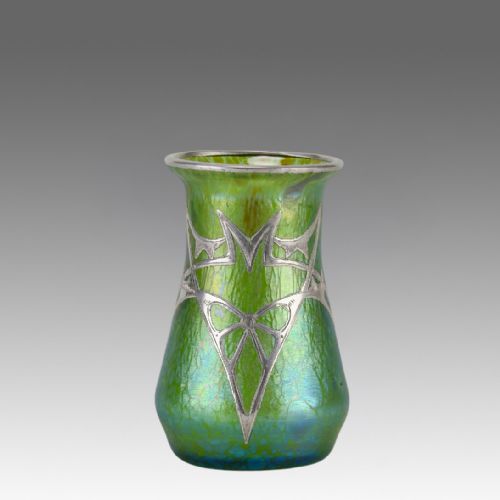
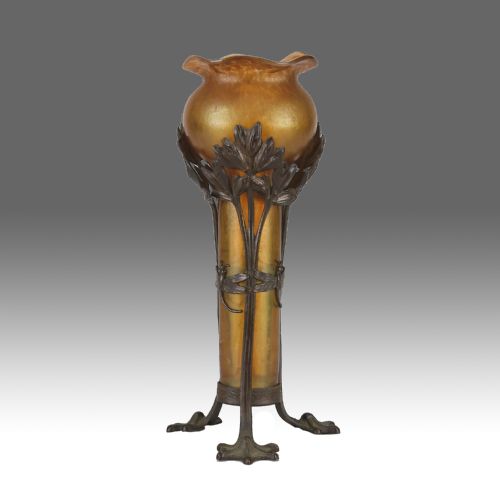
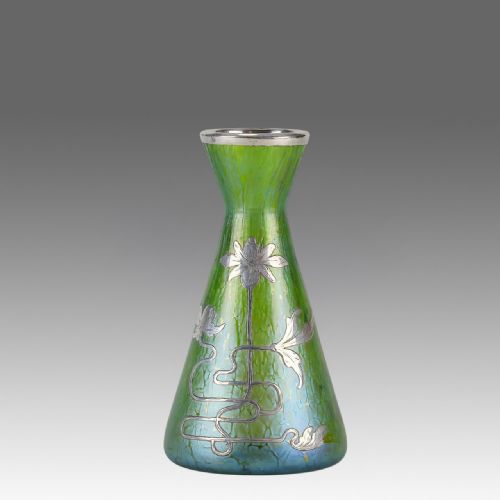
The most common versions met on this page are blown glass vases featuring distinct surface decors like Papillon or Candia. Many pieces incorporate metal mounts, ranging from sterling silver overlay and silvered collars to pewter stands and bronze fittings.
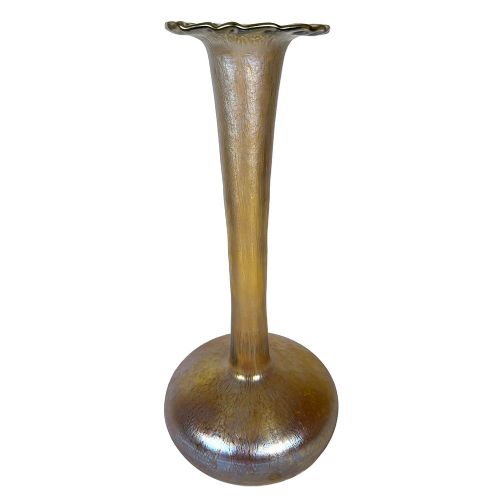
Forms span from slender Jack in the Pulpit silhouettes to squat inkwells and large decorative bowls. The material expressions shift between deep greens, blues, and silvery sheens that catch the light from every angle.
How They Were Made
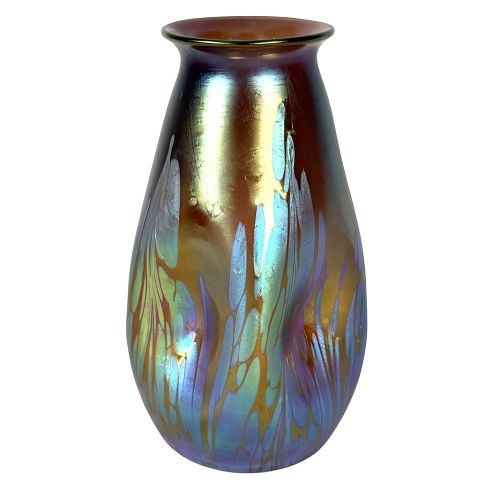
Glassmakers created these pieces using hand-blown glass techniques, manipulating molten material into organic, fluid shapes. Artisans applied metallic salts to hot glass surfaces to achieve the signature iridescent sheen associated with the Phänomen and Papillon decors.
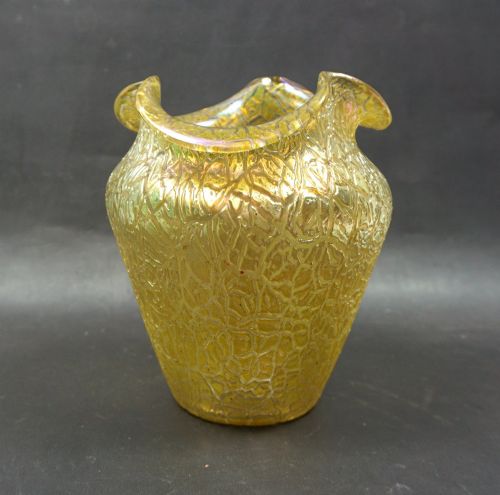
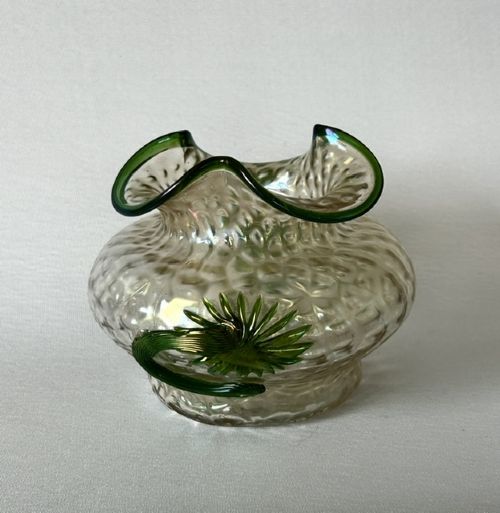
Many vessels received additional decorative elements through applied glass trails, crackle effects, or dimpled bodies shaped while the glass remained pliable. Metalworkers then fitted mounts of sterling silver, silver overlay, brass, and pewter around the glass bodies.
Listings feature periods from the nineteenth century through the 1920s, encompassing Art Nouveau, Jugendstil, and Art Deco styles.
What Varies in Quality
Quality rests in the complexity of the glass decor and the harmony between vessel and metal mount. Elaborate surface effects like the Phänomen threading or detailed silver overlay distinguish finer examples from simpler iridescent designs.
The weight of the blown glass and the precision of the metalwork, whether pewter stands or sterling silver collars, determine the tier of the piece. Integrated designs where mounts complement the organic glass contours achieve greater visual cohesion.
Loetz Witwe·Johann Loetz·Pallme Konig·Kralik·Koloman Moser·J Reinemann·J Van Houten Co·A&J Zimmerman·Robert Holubetz
The Loetz Art Glass Glossary
- Iridescent Glass
- Glass treated with metallic vapours to produce a rainbow-like sheen on the surface. This optical effect shifts colours as the viewing angle changes.
- Papillon decor
- A speckled surface pattern resembling butterfly wings created by rolling molten glass over metallic fragments. It remains one of the most recognizable finishes on Bohemian vessels.
- Phänomen decor
- Wavy, iridescent surface threading pulled into organic feather patterns while the glass is hot. This technique showcases high technical skill in glasshouse production.
- Silver Overlay
- Sterling silver applied directly to the glass surface in intricate floral or geometric motifs. The metal is bonded to the vessel and often hallmarked.
- Jugendstil
- The German and Austro-Hungarian variant of Art Nouveau characterised by flowing lines and natural motifs. It heavily influenced the output of Bohemian glass factories.
Loetz Art Glass: Frequently Asked Questions
What is Loetz art glass?
Loetz art glass refers to iridescent blown glass vessels produced in Austria during the late nineteenth and early twentieth centuries. The factory became famous for experimental chemical treatments that created shimmering, metallic surface effects.
These pieces embody Art Nouveau and Vienna Secession styles, utilising organic forms inspired by nature. Many examples feature metal additions like silver overlay or pewter mounts.
How do I identify Loetz glass?
Identification relies on recognising specific surface decors like Papillon, Candia, or Phänomen alongside characteristic glass colours such as deep greens and blues. Form, weight, and the presence of factory stamps or silver hallmarks help confirm attribution.
Many pieces also feature polished pontil marks on the base and metal mounts characteristic of Austro-Hungarian craftsmanship from the period.
How were silver mounts applied?
Silver mounts and overlays were chemically or mechanically bonded directly to the cooled glass body. Artisans used sterling silver to form collars, handles, and intricate floral patterns that gripped the vessel.
These additions often bear maker marks and silver purity hallmarks, indicating the collaboration between glasshouses and metalworking firms in Vienna and Birmingham.
How should I display these pieces?
Display these vessels in locations with strong natural light to fully activate the iridescent qualities of the glass surface. Placing them away from direct edges prevents accidental damage to delicate forms like Jack in the Pulpit vases.
Pairing glass with complementary metalwork or keeping them on stable wooden surfaces highlights the contrast between the shimmering finish and the surrounding interior.