



Linenfold Cabinet
A linenfold cabinet brings sturdy oak and centuries of carved linen pattern into a room, offering both character and storage.
Linenfold Cabinet
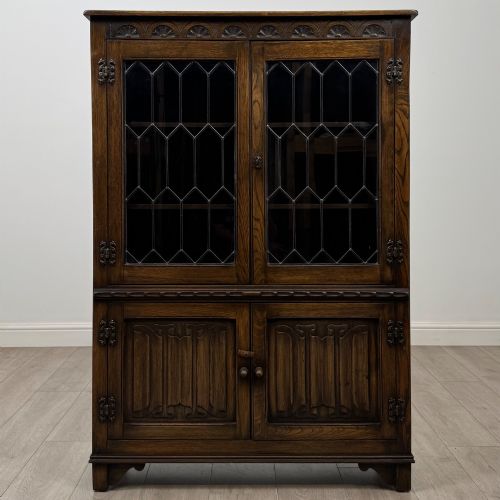
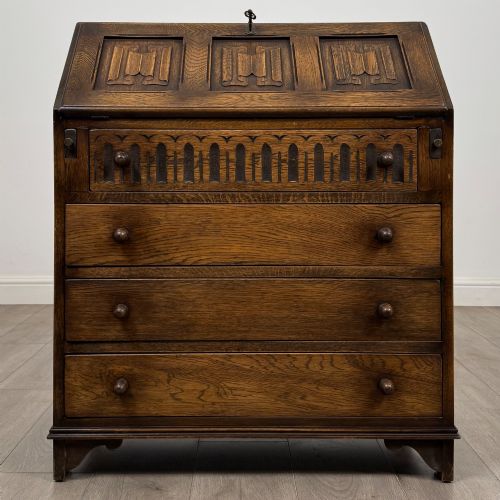
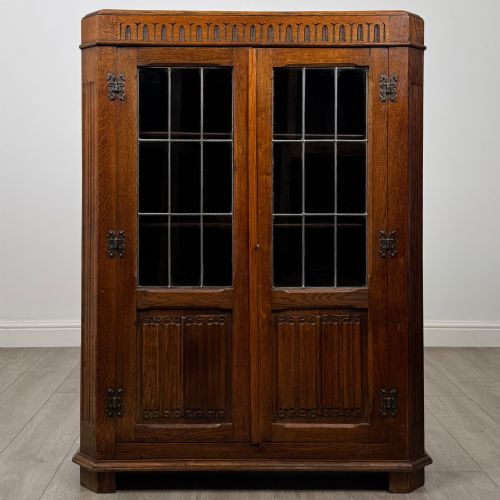
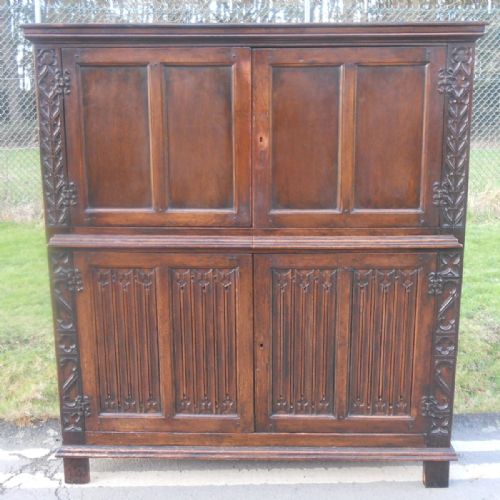
A linenfold cabinet is defined by its carved wooden panels imitating folded cloth, appearing frequently across Edwardian and early twentieth century oak pieces. These items range from lift-top cupboards and display cabinets with leaded glass to fitted writing bureaus and tall wardrobes.
The versions most commonly met on this page date from the Edwardian period and the nineteen-twenties, constructed in solid oak and carrying revivalist styles such as Tudor and Gothic. Alongside dedicated cupboards, the listings include bookcases and carved panels showing the same characteristic woodwork.
Buyers seeking a linenfold cabinet will find pieces focused primarily on practical storage, whether for books, display or wardrobe use. The forms adhere closely to traditional domestic furniture types adapted through various revival movements of the nineteenth and twentieth centuries.
Materials and construction
Carving forms the central technique, with artisans rendering the illusion of folded fabric onto wooden panels using gouges and chisels. Secondary materials include glass for display doors and occasional fabric linings within fitted interiors.
Linenfold Cabinet Retail Price Guide 2026
Typical asking prices for linenfold cabinet among the pieces listed under this phrase on Sellingantiques today, from the lower quarter to the upper quarter. They describe what is for sale here now, not the wider market.
Listings feature solid oak combined with iron, brass and leaded glass across Edwardian, Victorian and 1930s periods.
Assessing quality
Quality in these pieces rests upon the crispness and depth of the carved linenfold panels, where sharper execution indicates superior craftsmanship. The selection of the oak timber, particularly the grain and consistency across the doors and sides, further distinguishes finer examples.
The integrity of the construction, from the fit of the drawers and doors to the preservation of original brass or iron hardware, separates robust pieces from ordinary ones. Inclusion of fitted writing desks, leaded glass or secondary compartments adds complexity to the cabinet's build.
The Linenfold Cabinet Glossary
- Linenfold
- A style of woodcarving depicting vertical panels folded to resemble parchment or fabric. It gains popularity during the Tudor period and sees revivals in later centuries.
- Leaded glass
- Small panes of glass held together by strips of lead cames. This technique frequently appears on Edwardian display cabinets and bookcases.
- Bureau
- A desk featuring a sloping flap that opens to reveal a fitted writing interior with small drawers and pigeonholes. Several examples combine this form with linenfold carving.
- Revival
- A stylistic movement adopting historical design vocabulary, such as Tudor or Gothic. These pieces reinterpret earlier forms using the manufacturing methods of their own time.
- Solid oak
- Timber used entirely in the structure rather than as a veneer over cheaper woods. It provides weight and durability to the cabinets.
Linenfold Cabinet: Frequently Asked Questions
What is a linenfold cabinet?
A linenfold cabinet is a storage piece featuring wooden panels carved to resemble folded cloth. These items are typically made of oak and date from revival periods in the nineteenth and twentieth centuries.
Such cabinets serve practical storage functions while displaying traditional woodworking motifs that echo medieval and Tudor design traditions.
How do I date a linenfold cabinet?
Dating relies on examining the construction methods, hardware types and overall style of the piece. Edwardian and early twentieth century examples often show machine assistance alongside hand finishing.
Earlier nineteenth century pieces tend to display heavier proportions and different joinery techniques compared to the lighter Edwardian display cabinets and writing bureaus.
Where should I place an oak linenfold cabinet?
These sturdy oak cabinets suit living rooms, studies or hallways depending on their specific form, such as narrow cupboards or open bookcases. Their dark wood tones and carved panels anchor traditional interiors effectively.
Display cabinets with leaded glass work well in dining spaces for tableware, while wardrobes and storage cupboards fit bedrooms and hallways.
Are these cabinets made of solid wood?
The listings on this page consist primarily of solid oak construction, sometimes paired with iron, brass or lead details. This robust material choice ensures longevity and weight.
Solid oak construction allows for deep relief carving on the doors and panels without compromising the structural integrity of the cabinet.