

Light Wood Bedside Tables
Light wood bedside tables bring practical surface space and subtle tone to a bedroom, ranging from stripped oak to pale ash.
Light Wood Bedside Tables
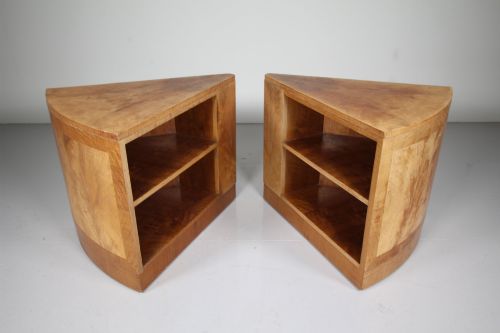
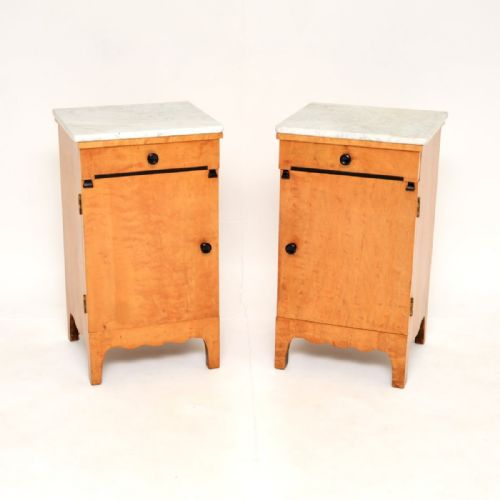
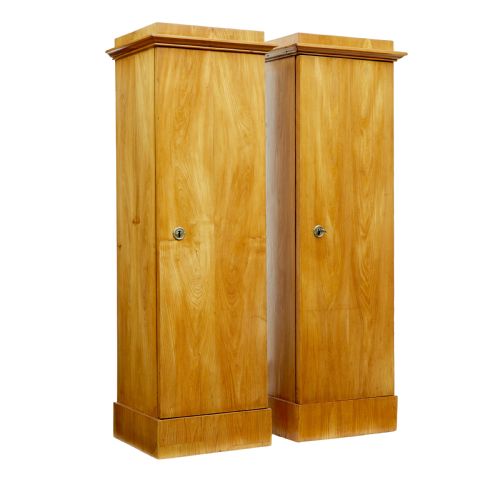
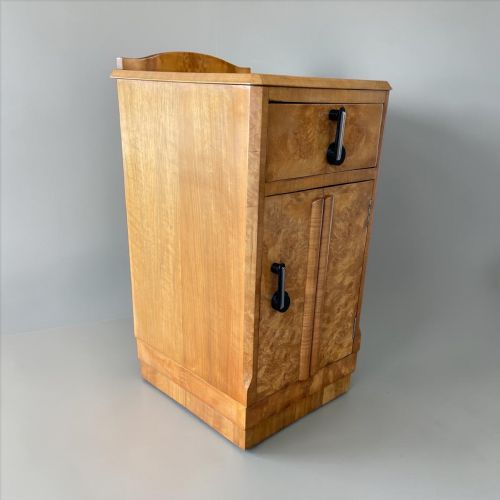
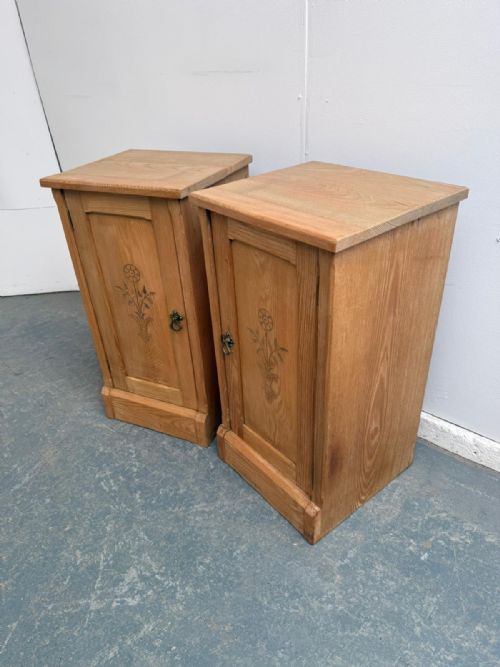
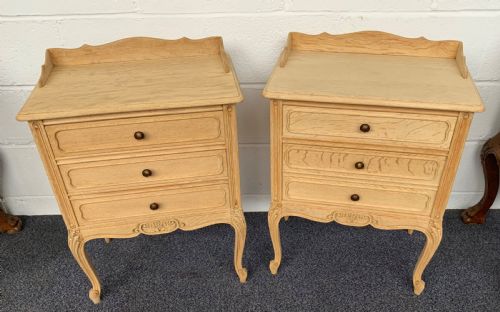
Light wood bedside tables encompass compact cabinets, small chests of drawers and low side tables dating from the eighteenth century through to the art deco period. Buyers seeking light wood bedside tables will encounter pieces rendered in pale timbers such as ash, satinwood, satin birch and bleached oak.
The selection ranges from simple Edwardian and art deco bedside tables to French provincial cabinets and Victorian variations. These items serve beside a bed to hold lighting and nighttime necessities while introducing natural grain and lighter colour into an interior.
Materials and construction
Cabinet makers utilised native and exotic timbers including oak, ash, satinwood and satin birch, often applying a waxed, limed or bleached finish to lighten the natural tone. Joinery relies on traditional carpentry methods suited to small domestic furniture, resulting in sturdy bedside cabinets and chests.
Surfaces sometimes feature painted details, lacquer or marble tops, particularly on continental examples from the nineteenth and early twentieth centuries. The construction balances durability with refined proportions appropriate for bedside placement.
Light Wood Bedside Tables Retail Price Guide 2026
Typical asking prices for light wood bedside tables among the pieces listed under this phrase on Sellingantiques today, from the lower quarter to the upper quarter. They describe what is for sale here now, not the wider market.
Listings feature oak, ash, satinwood, and satin birch across periods from the eighteenth century to the 1930s.
Judging quality in pale timber furniture
Quality rests in the selection of the timber grain, the crispness of any carved detailing and the integrity of the original construction. Finer pieces display balanced proportions, clean drawer runners and thoughtful execution of finishes like bleaching, liming or waxing.
The distinction between standard domestic items and superior examples involves the subtlety of the woodwork and the retention of original surface treatments rather than heavy modern alterations.
Betty Joel
The Light Wood Bedside Tables Glossary
- Bleached oak
- Oak timber treated with chemical agents to lighten its natural dark brown colour. This process gained popularity in twentieth-century interior design.
- Satinwood
- A durable, hard timber with a natural golden sheen and a satin-like texture. It was frequently used for fine cabinet making during the eighteenth and nineteenth centuries.
- Ash
- A pale, tough wood with a pronounced open grain commonly employed in arts and crafts furniture. It offers significant strength for small tables and cabinets.
- Bedside cabinet
- A small enclosed piece of furniture featuring a door or drawers designed to stand beside a bed. These date across the Victorian and Edwardian periods.
- Satin birch
- A light Scandinavian timber displaying a shimmering grain pattern. It appears on continental European bedroom furniture from the late nineteenth century.
Light Wood Bedside Tables: Frequently Asked Questions
What periods do these light wood tables come from?
The pieces span from the eighteenth century through the Victorian and Edwardian eras into the art deco period of the 1930s. Most examples date from the late nineteenth and early twentieth centuries.
Craftsmen during these times utilised native and imported light timbers to create functional bedroom furniture matching prevailing design movements.
How do I distinguish between ash and oak?
Ash typically presents a paler, slightly lighter tone with a straight and pronounced open grain. Oak tends to be heavier with distinctive medullary rays visible in the timber.
Both woods respond well to waxing and bleaching treatments used to achieve a lighter appearance.
Are these tables usually found as pairs?
Many bedside cabinets and tables survive as matched pairs, particularly those dating from the Edwardian period and the 1920s and 1930s. Single tables also appear frequently.
Pairs offer symmetry for placement on both sides of a bed.
How should I care for waxed or bleached wood?
Maintenance requires occasional gentle dusting with a soft cloth and the application of appropriate natural wax to nourish the timber. Avoid placing damp items directly onto the vulnerable surface.
Keeping the furniture away from direct heat sources prevents the wood from drying out or splitting.