



Light Wood Armoire
These light wood armoire pieces bring functional storage and distinctive pale timber tones into a room.
Light Wood Armoire
When you search for light wood armoire, you encounter a selection of large storage furniture items rendered in pale timbers. These pieces range from substantial wardrobes and linen presses to smaller bedroom cabinets and cupboards.
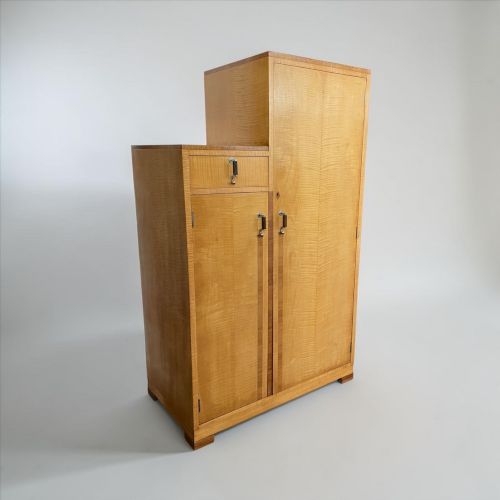
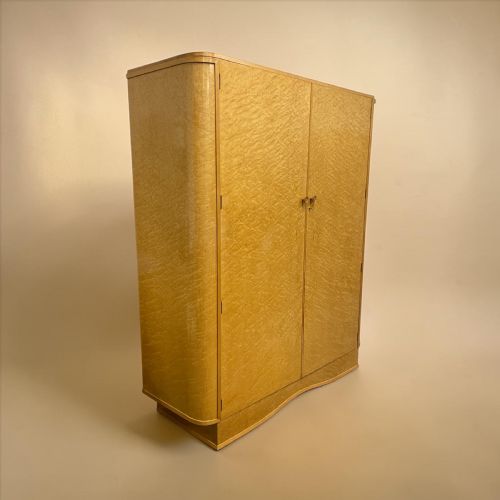
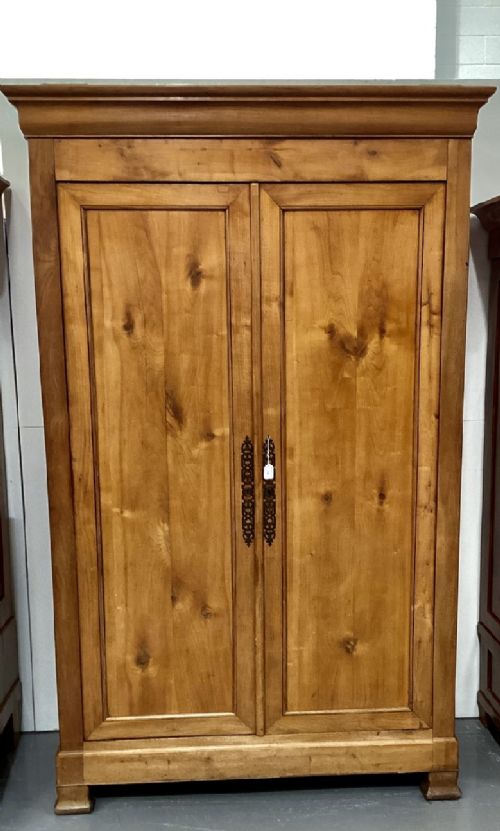
The versions you are most likely to meet on this page span several eras and styles, including Victorian pine presses, Art Deco maple wardrobes, and nineteenth-century regional cabinets. They utilise light woods like pine, ash, maple, satinwood, chestnut, and blonde oak.
Originating from various traditions such as French Provincial, Breton folk art, and English cabinetmaking, these items provide versatile storage solutions. Their lighter timber tones distinguish them from darker traditional furniture, fitting seamlessly into diverse interior schemes.
How they were made
Makers constructed these storage pieces using solid timbers and select veneers appropriate to the period, incorporating brass and iron hardware for hinges, locks, and handles. Pine and maple serve as primary structural woods, while satinwood and blonde oak provide finer exterior surfaces.
Construction techniques vary from traditional knockdown joinery designed for ease of transport to solid frame-and-panel assembly found in nineteenth-century armoires and regional cupboards. Surfaces receive finishes ranging from natural wax and bleached treatments to polished blonde veneers.
Light Wood Armoire Retail Price Guide 2026
Typical asking prices for light wood armoire among the pieces listed under this phrase on Sellingantiques today, from the lower quarter to the upper quarter. They describe what is for sale here now, not the wider market.
Listings feature pieces from the Victorian era up to the 1930s Art Deco period, utilising materials including pine, maple, satinwood, chestnut, and brass.
What varies in quality
The distinction between standard examples and top-tier pieces lies in the selection of timber, the refinement of the joinery, and the integrity of the original hardware. Superior cabinets display carefully matched wood grain, precise door alignment, and robust internal construction.
Artistry in carving, the presence of secondary internal elements like drawers or linen slides, and the attribution to recognised makers elevate the status of an armoire. Simpler vernacular items offer utilitarian charm, whereas master-built wardrobes demonstrate advanced cabinetmaking skills.
Maple and Co·Harry and Lou Epstein
The Light Wood Armoire Glossary
- Armoire
- A large wardrobe or cupboard, traditionally used for storing clothing and linens. French in origin, these pieces often feature double doors enclosing hanging space or shelving.
- Linen press
- A tall cabinet specifically designed for storing folded linen and bedding, typically featuring internal sliding trays or shelves behind panelled doors.
- Knockdown wardrobe
- A large piece of furniture engineered to be easily dismantled and reassembled using pegged or bolted joints. This design facilitated transport in older buildings.
- Satinwood
- A durable, hard timber with a natural golden sheen and a fine grain, highly prized for high-end nineteenth-century cabinetwork and decorative veneers.
- Lit-clos
- A traditional enclosed box bed from Brittany, closed in by wood panelling or sliding doors. Surviving sections are sometimes repurposed into cabinets and armoires.
Light Wood Armoire: Frequently Asked Questions
How were old wardrobes transported?
Many older wardrobes, particularly pine examples, were constructed as knockdown pieces. This meant the cornice, base, and sides could be separated by removing internal wooden pins or bolts.
This clever engineering allowed bulky furniture to be moved easily through narrow stairwells and historic doorways.
What is a linen press?
A linen press is a tall storage unit originally designed to keep household linen flat and organised. Unlike a standard wardrobe intended for hanging garments, a press typically houses sliding shelves or trays behind its upper doors.
Lower sections often incorporate drawers for smaller items of clothing.
How do I identify Art Deco wardrobes?
Art Deco wardrobes, often dating from the 1920s and 1930s, typically feature clean geometric lines, symmetrical wood veneers, and streamlined silhouettes. They frequently utilise light blonde woods like maple and satinwood.
Ornamentation is minimal, relying instead on the natural pattern of the grain and polished metal hardware.
Are these wardrobes practical for modern bedrooms?
These historic armoires offer deep internal capacity and sturdy construction well-suited for contemporary clothes storage. Many include adjustable shelving or can be fitted with modern hanging rails.
Their pale timber tones help them blend into modern bedroom decors without overwhelming the space.