
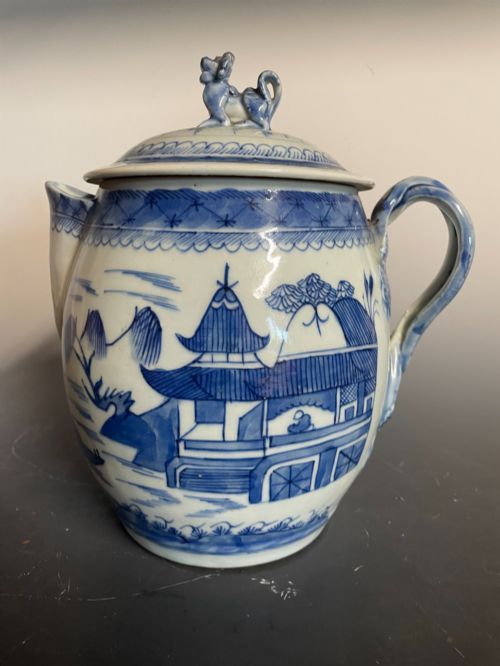


Lidded Blue White Jar
A lidded blue white jar offers a timeless storage vessel combining cobalt pigment and ceramic form across centuries of global trade.
Lidded Blue White Jar
A lidded blue white jar draws attention through the high-contrast cobalt decoration painted across porcelain, ceramic, or tin-glazed earthenware surfaces. Examples range from small tea canisters and ginger jars to large urns and potpourri vessels designed with matching covers.
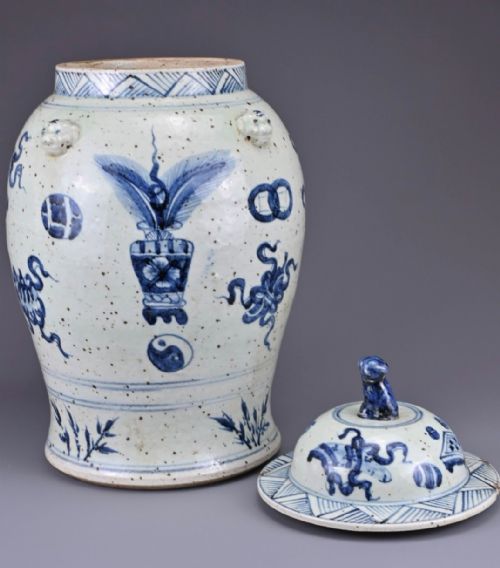
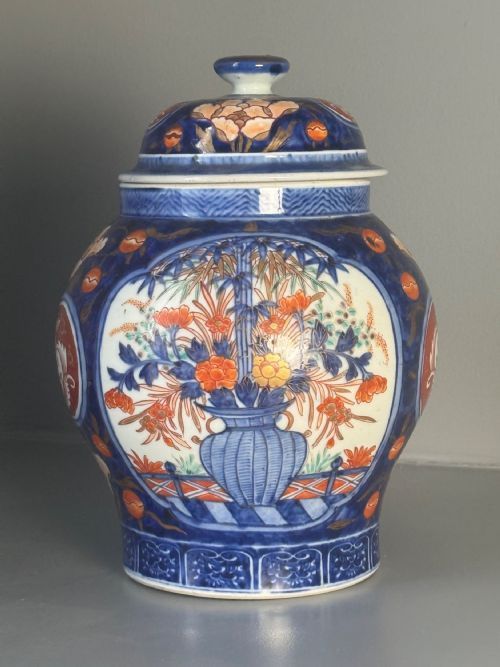
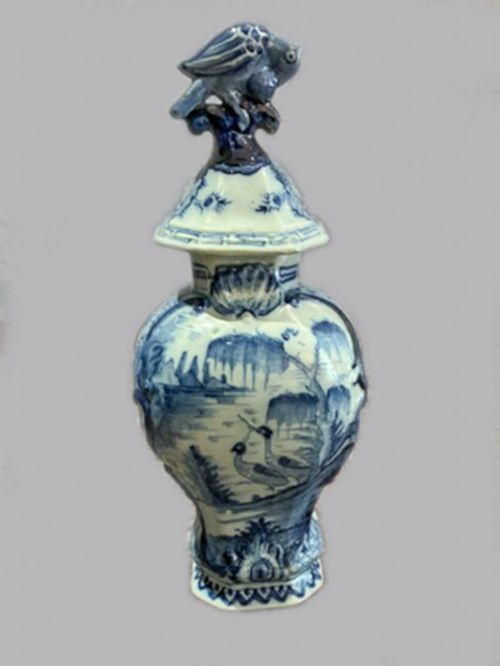
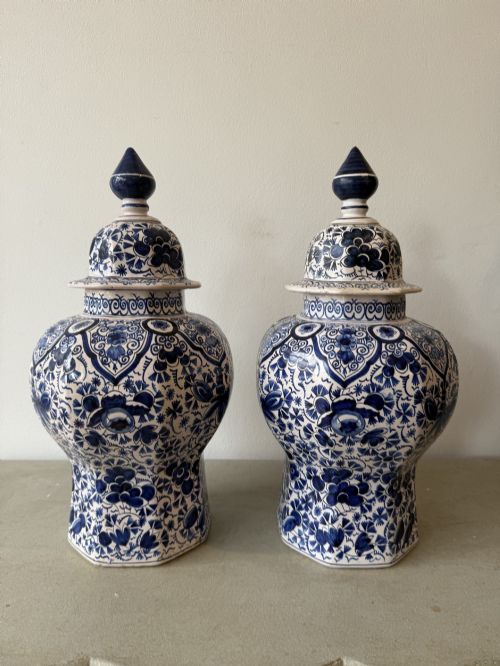
The pieces on this page span several centuries and cultural traditions, including Chinese Qing Dynasty porcelain, Japanese Arita and Imari wares, English Worcester and Mason's ironstone, and European Delft or French faience. Buyers frequently encounter nineteenth-century interpretations alongside eighteenth-century originals.
Forms vary from stout ginger jars to slender vases and lidded urns, serving historically as display pieces, dry goods storage, or decorative containers. Each region adapts the cobalt palette through distinct local motifs and glazing techniques.
Materials and construction methods
Makers utilised high-fired porcelain, ceramic, and tin-glazed earthenware as the primary bodies for shaping jars, vases, and urns. Cobalt oxide pigment was painted directly onto the unglazed clay or prepared surface before applying a clear or opaque white glaze.
Kiln firing fused the cobalt underglaze into the ceramic body, producing deep blue tones ranging from soft grey-blues to vibrant cobalt hues. Additional decorative layers sometimes included enamel highlights, gold leaf accents, or brass mounts.
Lids were thrown or moulded to match the contours of each jar, ensuring a precise fit for vessels intended to hold tea, tobacco, or dried aromatics.
Early merchants occasionally shipped ginger in sturdy ceramic jars, inadvertently creating centuries of collectible kitchenware.
Factors influencing quality
Quality rests upon the crispness of the cobalt painting, the purity of the white ground, and the structural integrity of both the jar and its original cover. Finer examples display confident, fluid brushwork that demonstrates complete control over the pigment.
The chemical stability of the glaze and the precision of the high-temperature kiln firing distinguish superior porcelain and earthenware from utilitarian wares. Matching lids that share identical age, crazing, and decorative schemes elevate the desirability of any piece.
Baccarat·Mason's Ironstone·Royal Crown Derby·Samson of Paris·Worcester
The Lidded Blue White Jar Glossary
- Cobalt blue
- A deep blue pigment derived from cobalt salts used extensively in underglaze ceramic decoration. It withstands high kiln temperatures without losing intensity.
- Tin-glazed earthenware
- Pottery covered with a ceramic glaze containing tin oxide that dries opaque white. This surface provides an ideal ground for painted blue designs.
- Ginger jar
- A wide-mouthed ceramic vessel originally used to store spices and preserves. Later periods adapted the sturdy form purely for decorative display.
- Imari
- A style of Japanese porcelain featuring underglaze blue combined with iron red and gold enamel. Production centred on the port of Imari for export to Europe.
- Underglaze
- Decoration applied to ceramic ware before the glaze is applied and fired. This technique seals the pigment beneath a glassy protective layer.
Lidded Blue White Jar: Frequently Asked Questions
How were these jars used?
These lidded vessels served practical roles in domestic and mercantile settings for storing precious dry goods such as tea, tobacco, ginger, and spices. Their tight-fitting covers protected the contents from moisture and air.
Over time, many of these utilitarian containers transitioned into purely decorative objects placed on mantelpieces, sideboards, and displays across European and Asian interiors.
Are the lids usually original?
Checking whether a lid is original to its vessel requires examining the glaze consistency, wear patterns, and clay body match under magnification. Replacements often occurred due to accidental breakage over centuries of handling.
While matching period lids remain desirable, many genuine antique pieces survived with married covers fashioned during subsequent generations of use.
How do I date a blue and white jar?
Dating relies on analysing the potting technique, the specific shade of cobalt, base markings, and stylistic clues from the painted motifs. Early pieces often exhibit heavier potting and distinct iron-foot rims.
Comparative study against documented factory marks and regional export patterns helps narrow down the century of manufacture.
What is the difference between Delft and porcelain?
Delft utilises a tin-glazed earthenware body that is softer, more porous, and opaque white, European in origin and style. Porcelain is a hard-paste or soft-paste ceramic fired at much higher temperatures until vitreous and translucent.
While both display blue painted decoration, the weight, sound, and edge translucency easily separate earthenware from true porcelain.