

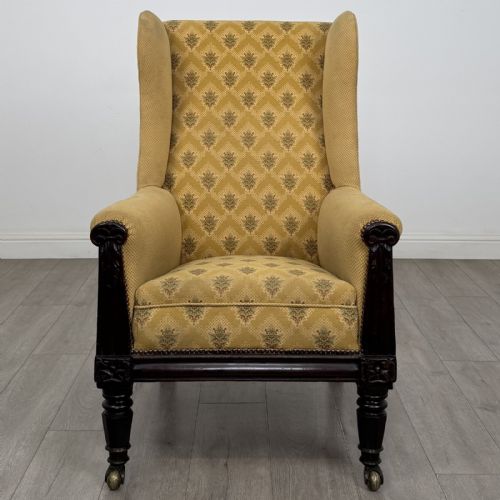
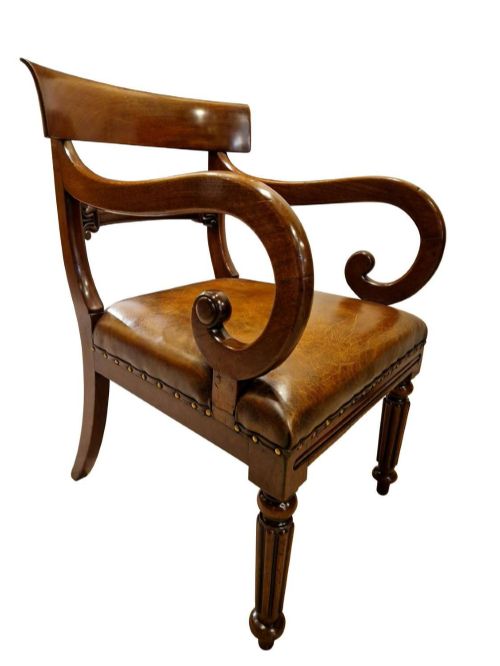
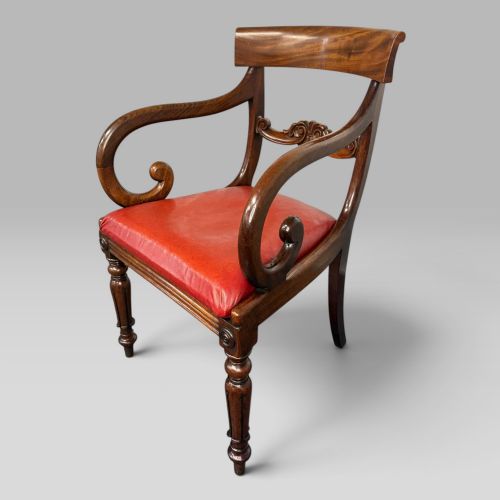
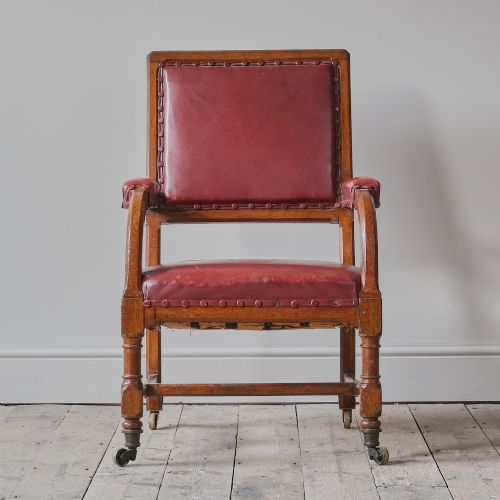
Library Arm Chair
A library arm chair brings substantial timber frames and deep upholstery together for serious study or fireside comfort.
Library Arm Chair
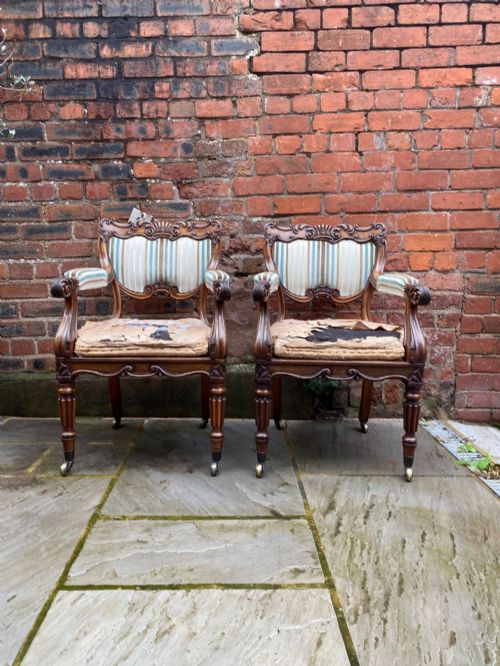
A library arm chair serves as a substantial seating option designed for reading rooms, studies and grand interiors. These pieces appear across multiple historical periods, with the nineteenth century and the Victorian era supplying the largest share of examples on this page.
The selection ranges from sturdy mahogany and oak frames to revolving desk variants and tub-shaped designs. Makers across the Georgian, Regency and William IV periods shaped these forms to balance utility with commanding presence.
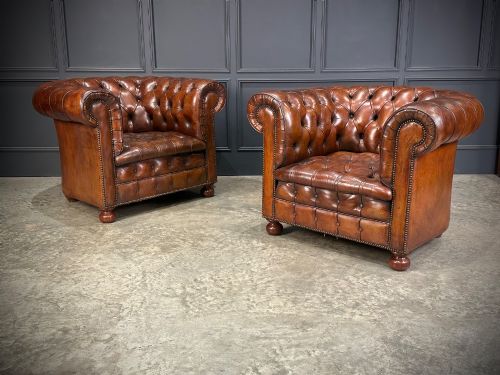
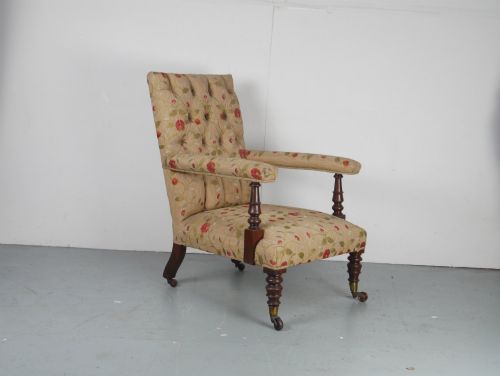
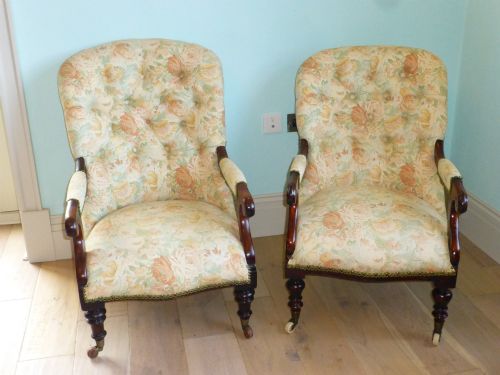
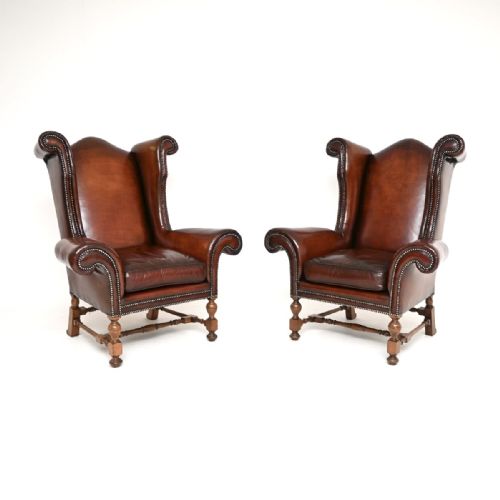
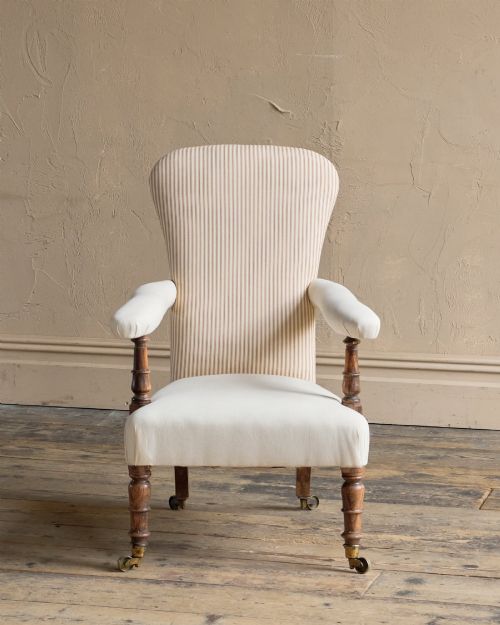
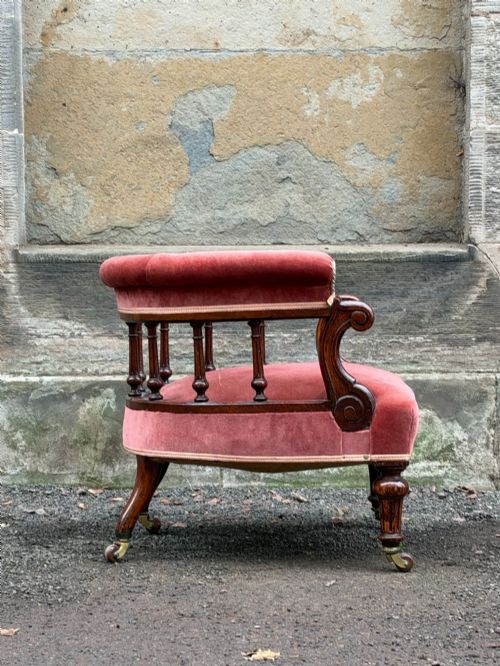
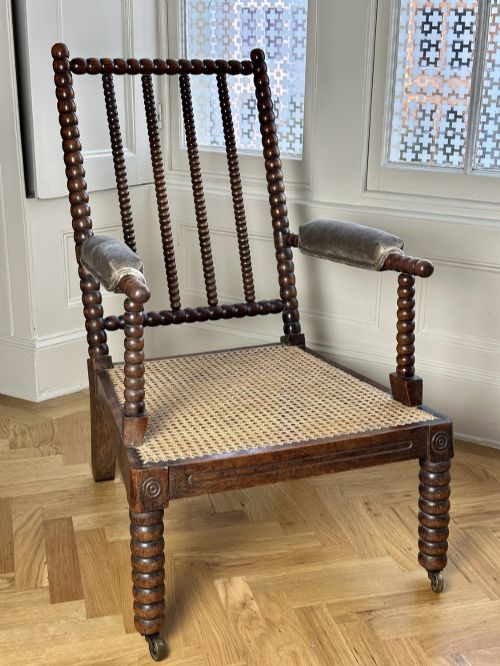
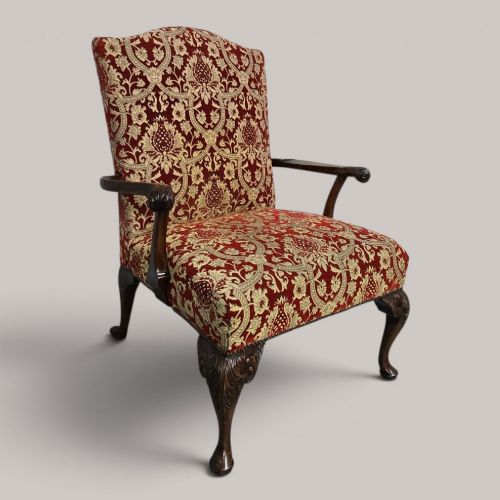
Buyers encounter open armchairs alongside fully upholstered variants covered in leather, velvet or textile. Many incorporate supportive button upholstery, brass accents or caned panels suited to extended periods of sitting.
How they were made
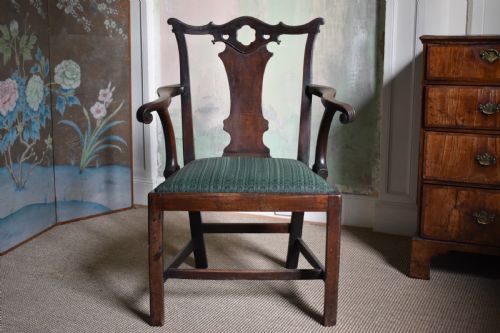
Cabinet makers utilised dense hardwoods including mahogany, walnut, rosewood and oak to construct the primary frames of a library arm chair. These timbers provided the structural integrity required to support heavy carving, reeded legs and robust arm supports.
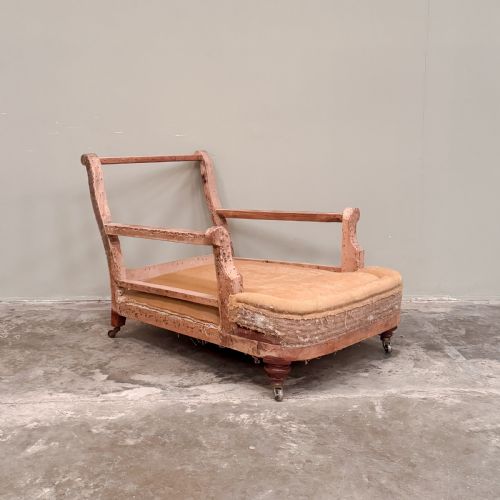
Upholstery techniques involved durable textiles, leather, velvet and hessian secured over supportive internal webbing and stuffing. Brass fittings, castors and detailed buttoning often completed the construction of revolving desk chairs and traditional library seats.
Library Arm Chair Retail Price Guide 2026
Typical asking prices for library arm chair among the pieces listed under this phrase on Sellingantiques today, from the lower quarter to the upper quarter. They describe what is for sale here now, not the wider market.
Listings feature mahogany, walnut, oak, brass, leather, velvet and hessian across eighteenth and nineteenth-century periods.
What varies in quality
The refinement of timber carving and the crispness of reeded details dictate the visual standard of a library arm chair. Superior examples display thoughtful proportions, balanced arm scrolls and precise joinery that remain solid through generations of use.
The choice and execution of covering materials heavily influence the overall character and finish. Premium items feature expertly fitted leather, silk velvet or traditional buttoning that aligns precisely with the underlying frame architecture.
Gillows
The Library Arm Chair Glossary
- Mahogany
- A dense tropical hardwood prized for its rich colour and stability in cabinet making. It forms the primary structural material for a large proportion of nineteenth-century seating.
- Regency
- A style period spanning the early nineteenth century defined by classical restraint and elegance. Pieces from this era often feature clean lines and dark timbers.
- Bergère
- An enclosed upholstered armchair featuring wooden framing and cane panels. This form provides a lighter visual weight while maintaining structural support.
- Reeded
- A decorative moulding comprising parallel convex strips resembling bundled reeds. Cabinet makers carved these patterns directly onto the legs and arms of quality seating.
Library Arm Chair: Frequently Asked Questions
What defines a library arm chair?
A library arm chair is a sturdy seating option typically constructed from mahogany, oak or walnut with supportive wooden frames. These pieces incorporate upholstered pads, leather coverings or caned panels designed for prolonged reading and study.
Such chairs appear across the Georgian, Regency and Victorian periods in various forms including desk chairs, tub shapes and open arm styles. Their robust proportions reflect the architectural demands of historic libraries and studies.
How are different periods identified?
Period identification relies upon observing timber choices, leg styles and structural detailing across the frame. Regency examples often display sleek rosewood or mahogany figures, whereas Victorian pieces frequently feature heavier proportions and button upholstery.
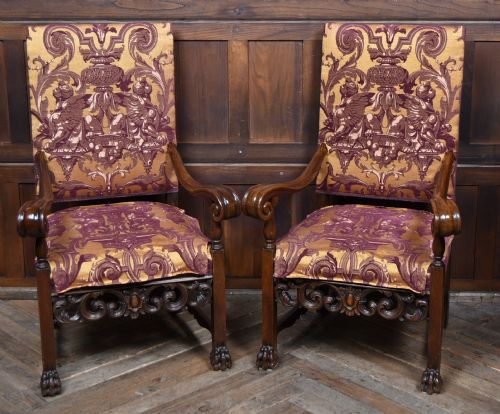
Earlier Georgian and William IV items introduce carved oak or mahogany framing alongside specific decorative motifs like reeded legs or baronial flourishes. Examining the integration of brass castors and joinery methods further clarifies the era of manufacture.
Were these chairs used at desks?
Many examples function specifically as desk chairs, particularly variants featuring revolving mechanisms and adjustable heights. These pieces combine the supportive arms of a library chair with the mobility required for administrative work.
Craftsmen adapted the standard timber frame to accommodate swivel actions while maintaining upholstered comfort for daily office tasks. Such designs bridge the gap between formal reception seating and working utility.
How do I live with leather upholstery?
Leather-upholstered library chairs require minimal maintenance beyond regular dusting and occasional conditioning to keep the hide supple. Placing them away from direct sunlight preserves the natural colour and prevents the material from drying out over time.
The durable nature of leather makes these chairs resilient companions for everyday reading rooms and studies. Simple care routines ensure the surface develops an attractive patina as it ages.