




Liberty Style Shelf
These liberty style shelf examples bring the honest construction of the Arts and Crafts movement straight into your home.
Liberty Style Shelf
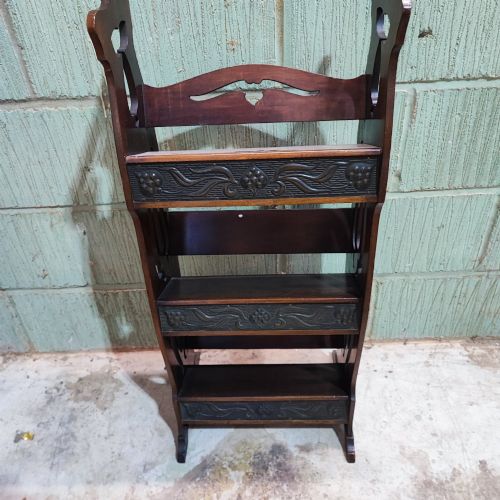
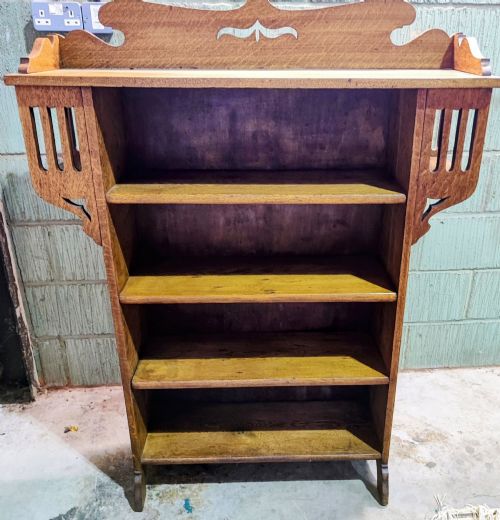
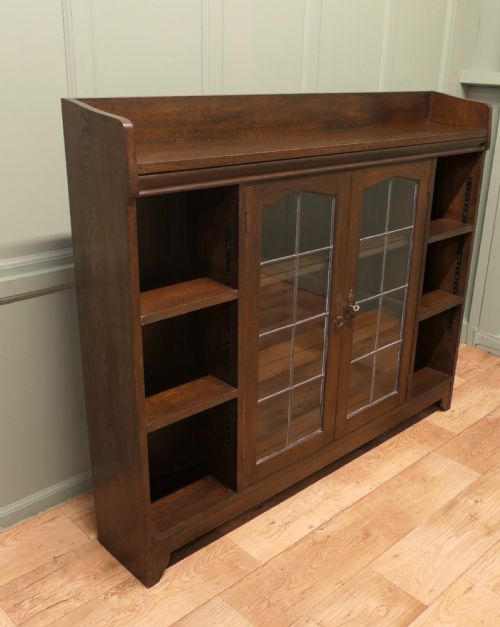
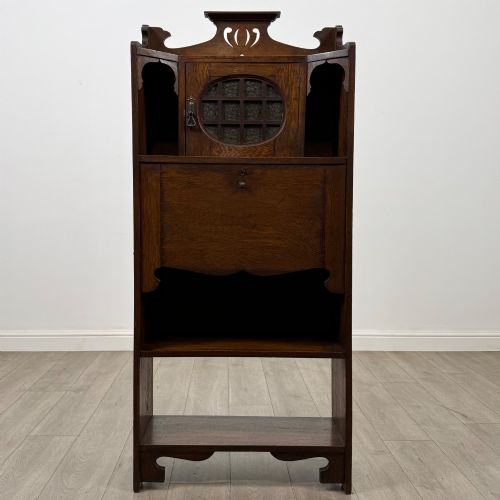
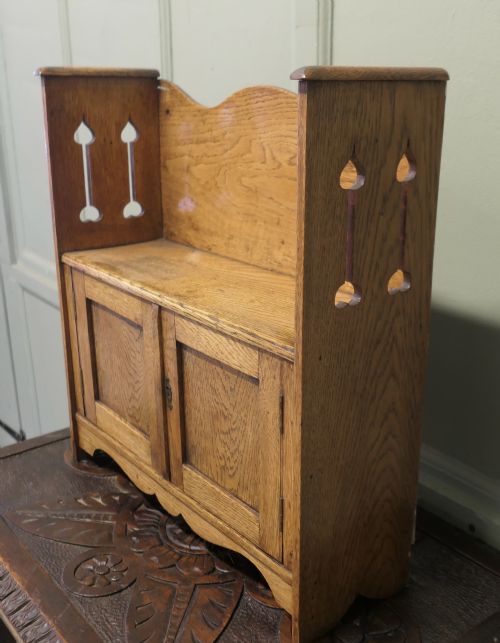
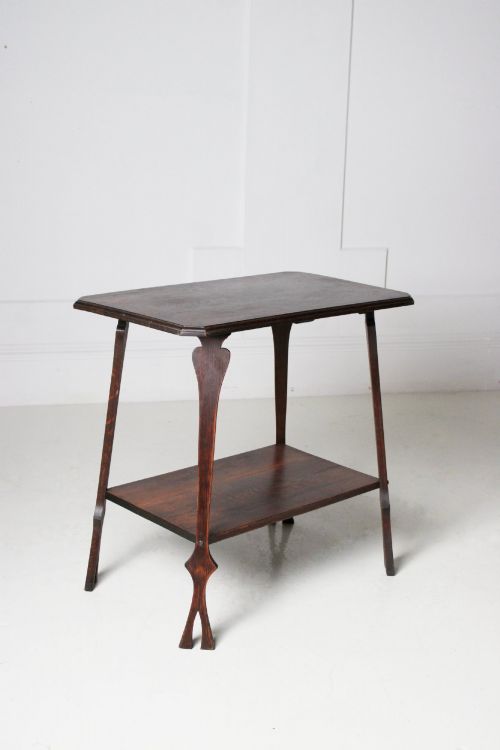
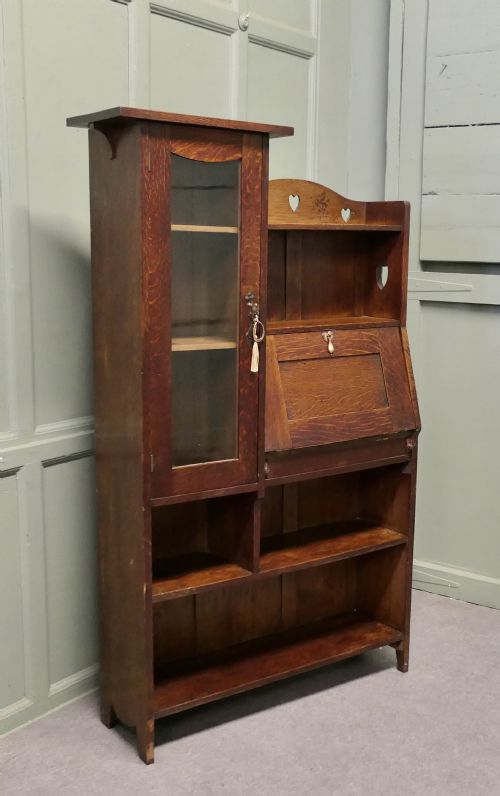
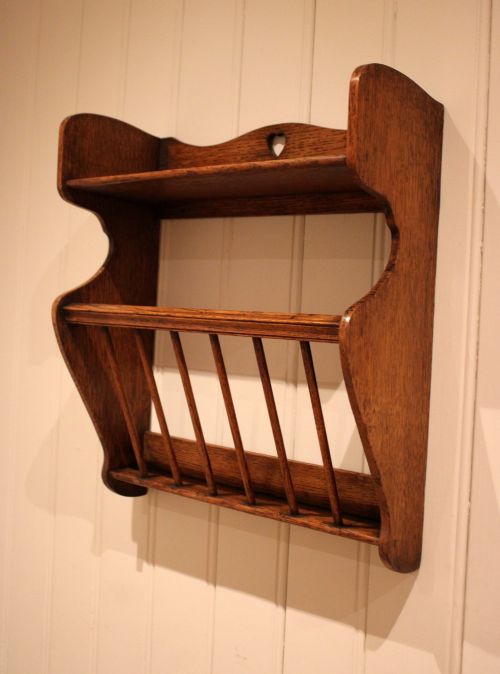
A liberty style shelf selection encompasses various open bookcases, wall cabinets, and occasional tiers designed during the late nineteenth and early twentieth centuries. You will frequently encounter oak construction, often exhibiting the distinct influence of the Arts and Crafts and Aesthetic movements.
The objects serve practical storage needs while displaying characteristic handmade details like pegged joints, fretwork, and glazed panels. Pieces range from compact wall shelves with magazine racks to larger bookcases and side cabinets.
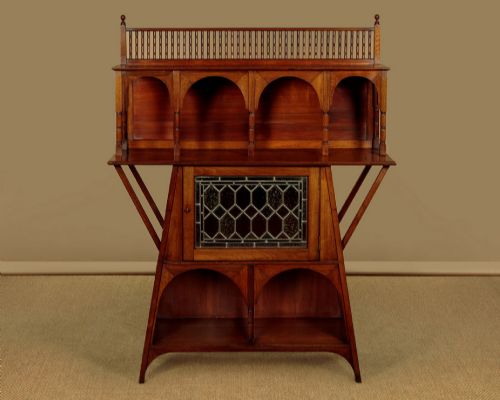
Moorish and Art Nouveau nuances appear frequently alongside standard British vernacular forms from periods such as the Edwardian era and the eighteen-nineties. Oak remains the primary material defining these domestic furnishings.
Materials and Construction Techniques
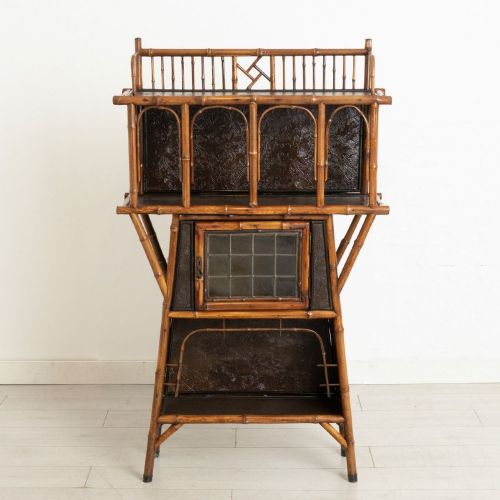
Makers relied heavily on solid oak, utilising both golden and darker tones for durability and rich grain patterns. Bamboo and mahogany also feature in specific aesthetic and Moorish revival designs.
Structural integrity relies on traditional joinery methods such as pegged construction rather than modern fasteners. Decorative elements incorporate brass hardware, glass panels, lead cames, and occasional embossed paper details.
Liberty Style Shelf Retail Price Guide 2026
Typical asking prices for liberty style shelf among the pieces listed under this phrase on Sellingantiques today, from the lower quarter to the upper quarter. They describe what is for sale here now, not the wider market.
Some shelves managed to survive a century of domestic reading by politely holding both serious texts and today's discarded newspapers.
Assessing Craftsmanship and Design
Superior examples display deliberate attention to timber selection and structural joinery, such as visible pegged joints that contribute to both strength and appearance. Finer pieces integrate thoughtful decorative motifs like subtle inlay, fretwork, or brass work rather than relying on applied ornamentation.
The balance of proportions and the integration of functional elements, such as combined magazine racks or glazed display areas, separate standard utility items from distinguished workshop output. Attribution to known retailers or makers elevates the historical interest of a piece.
Liberty and Co·Leonard Wyburd·Shapland and Petter
The Liberty Style Shelf Glossary
- Arts and Crafts
- A design movement advocating for traditional craftsmanship and simple forms, directly influencing the construction of these shelves. It prioritised utility and honest materials over excessive industrial ornamentation.
- Pegged joint
- A method of securing woodwork using wooden dowels rather than metal nails or screws. This technique provides both structural strength and a characteristic visual detail.
- Aesthetic Movement
- A late nineteenth-century movement emphasising visual and compositional beauty above narrative or moral content. It encouraged varied stylistic influences including Anglo-Moorish and Japanese forms.
- Moorish Revival
- An architectural and decorative style incorporating geometric patterns and Islamic architectural motifs. It became popular in British furniture design through firms embracing exoticism.
- Fretwork
- Ornamental perforated woodwork created by cutting patterns through thin boards. It provides decorative ventilation or visual lightness on cabinet doors and brackets.
Liberty Style Shelf: Frequently Asked Questions
What defines a liberty style shelf?
These pieces originate from the late nineteenth and early twentieth centuries, aligning with Arts and Crafts, Aesthetic, and Moorish revival styles. They typically showcase honest oak construction and practical shelving forms.
You will notice an absence of heavy Victorian industrial carving in favour of clean lines, pegged joints, and occasional decorative brass or fretwork details.
How were these wall shelves used originally?
Households utilised them in parlours, studies, and hallways for displaying books, ceramics, and current periodicals. Many incorporate specialised compartments like magazine racks for everyday domestic convenience.
Their sturdy construction accommodated heavy volumes while serving as decorative focal points on domestic walls.
How do I care for antique oak shelves?
Protect the timber by keeping the shelves away from direct heat sources and rapid humidity changes. Regular dusting with a dry, soft cloth maintains the finish without needing harsh polishes.
Applying a light, natural wax occasionally helps nourish older oak surfaces and preserves their warm lustre.
How can I tell the period of a piece?
Examine the construction methods, timber choice, and stylistic vocabulary to determine the era. Pieces from the eighteen-eighties and nineties often lean towards Aesthetic or Moorish designs, while nineteen-ten examples show streamlined Arts and Crafts utility.
Hardware choices, such as brass pulls and leaded glass, also offer reliable clues to the date of manufacture.