




Liberty and Co Style Table
These liberty and co style table pieces capture the inventive spirit of turn-of-the-century design, offering striking geometric forms and rich materials for domestic interiors.
Liberty and Co Style Table
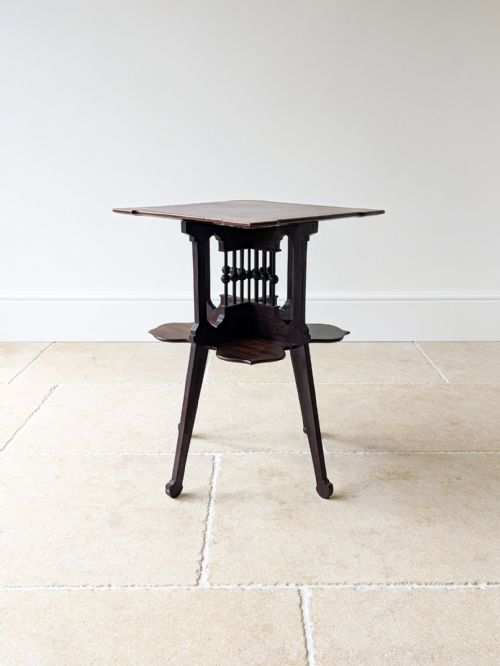
When you search for a liberty and co style table, you encounter a distinct blend of Arts and Crafts utility and exotic revival detail. These pieces function primarily as occasional tables, plant stands, and two-tier display surfaces suited for intimate corners of a room.
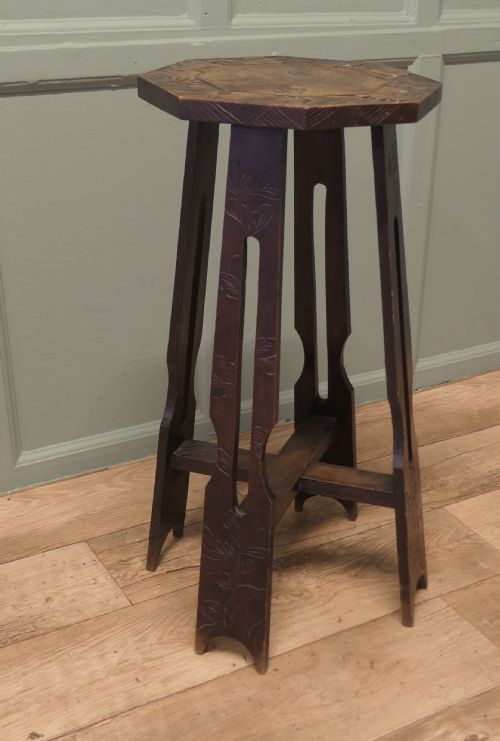
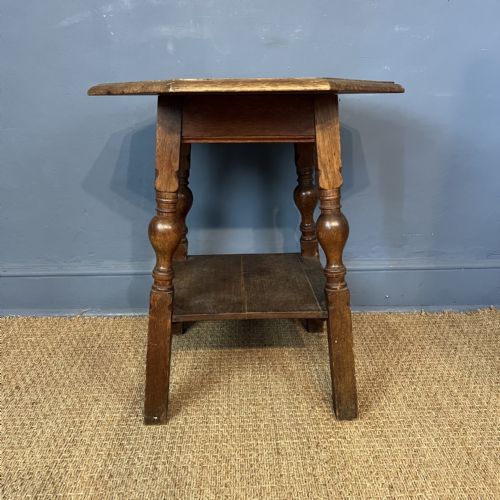
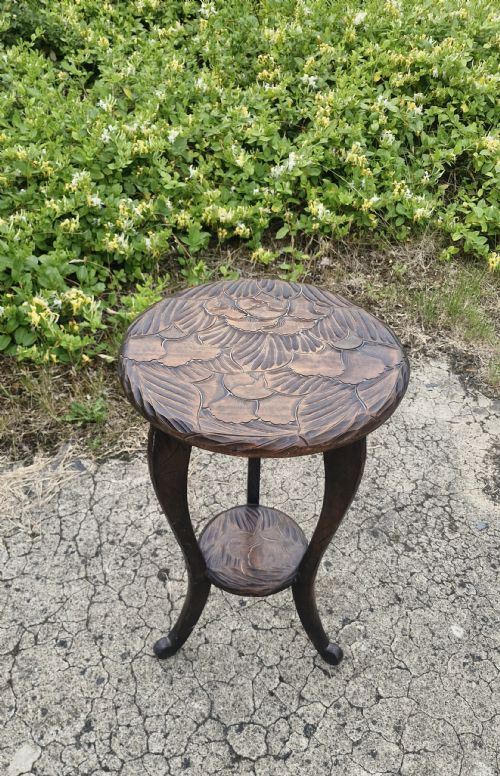
The selection on this page ranges from sturdy Victorian oak designs to intricate Anglo-Indian and Moorish revival forms. You are most likely to meet octagonal plant stands and carved occasional tables bearing the hallmarks of late nineteenth and early twentieth-century craftsmanship.
Materials and construction
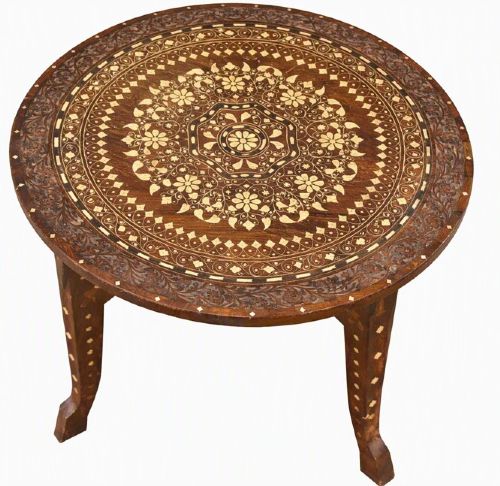
Makers utilised solid timbers such as oak, elm, and mahogany, often pairing them with contrasting inlay work. Bone and mother-of-pearl embellish the surfaces of eastern-inspired occasional tables, creating geometric patterns across the tops.
Carving plays a central role in the physical construction, defining the edges and supporting structures of plant stands and side tables. Ebonised wood and leather-bound details appear alongside traditional joinery to achieve diverse stylistic expressions.
Liberty and Co Style Table Retail Price Guide 2026
Typical asking prices for liberty and co style table among the pieces listed under this phrase on Sellingantiques today, from the lower quarter to the upper quarter. They describe what is for sale here now, not the wider market.
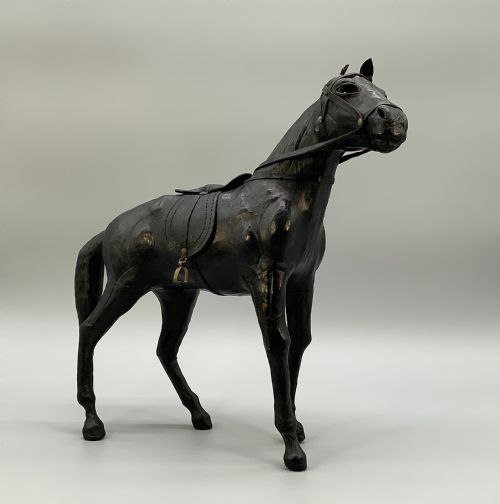
Alongside standard tables, the selection includes an unexpected leather-bound horse sculpture standing ready for action.
Judging the range
Quality in these designs rests upon the crispness of the carving and the precision of the inlay work. Pieces featuring complex bone or mother-of-pearl detailing demand a higher standard of joinery to maintain structural integrity over time.
The choice of primary timber influences the overall character, with dense oak and figured elm providing a different tactile experience compared to lighter exotic woods. The presence of maker stamps or clear attribution elevates the historical interest of an individual piece.
The Liberty and Co Style Table Glossary
- Occasional table
- A small, movable table designed for a specific, transient use rather than dining. These items fit easily beside seating or serve as display surfaces.
- Arts and Crafts
- A design movement championing traditional craftsmanship and simple forms. It rejected mass production in favour of visible construction and natural materials.
- Anglo-Indian
- Furniture made in India during the British colonial period for western tastes. It typically combines local carving traditions with European forms.
- Ebonised wood
- Timber treated to resemble ebony through staining and polishing. This technique creates a deep black finish popular in nineteenth-century decorative arts.
Liberty and Co Style Table: Frequently Asked Questions
What is a liberty and co style table?
These items are small domestic surfaces produced during the late nineteenth and early twentieth centuries under the influence of the famous London store. They encompass Arts and Crafts simplicity alongside exotic revival aesthetics.
Buyers often select them to add character and functional display space to living areas. Their varied forms range from plain oak occasional tables to intricately carved plant stands.
How do I date these tables?
Dating relies on identifying stylistic markers, timber choices, and construction methods associated with specific decades. Pieces from the Victorian era often show heavier carving and denser woods.
Later examples from the early twentieth century lean towards cleaner Arts and Crafts lines or lighter revival styles. Documentary evidence like stamps or attribution notes further clarifies the timeline.
Where should I place a plant stand?
Plant stands work best in corners, near windows, or framing doorways where their vertical silhouette can be fully appreciated. Their compact footprint allows them to occupy unused space effectively.
Ensure the surface receives adequate light if supporting living greenery, or utilise them for decorative sculptures and objects. The sturdy construction of elm and oak models safely supports heavy pots.
How do I care for inlaid wood?
Inlaid surfaces require gentle dusting with a dry, soft cloth to prevent particulate buildup in the recessed channels. Avoid harsh chemical polishes that might dislodge delicate bone or mother-of-pearl elements.
Keep the timber away from direct heat sources and strong sunlight to prevent warping and fading. Regular conditioning with appropriate wax maintains the lustre of the wood.