





Lawn Seating Bench
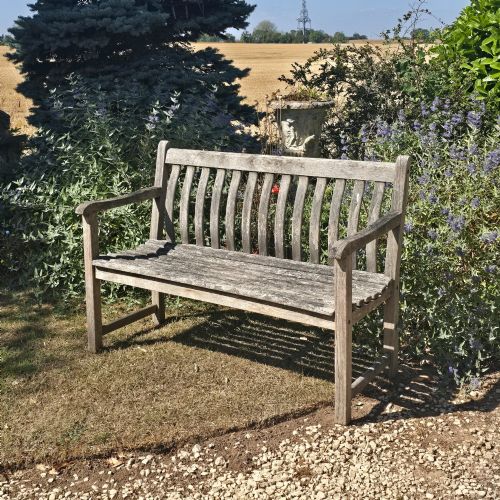
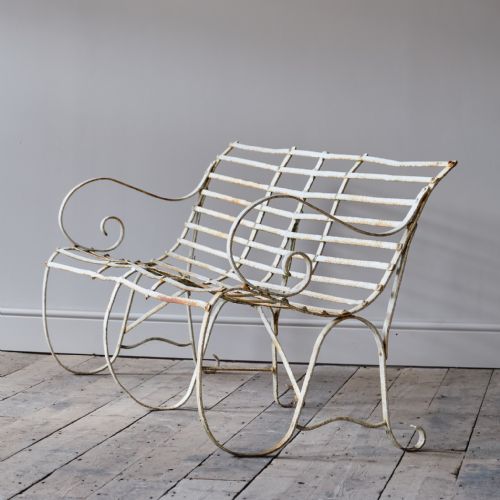
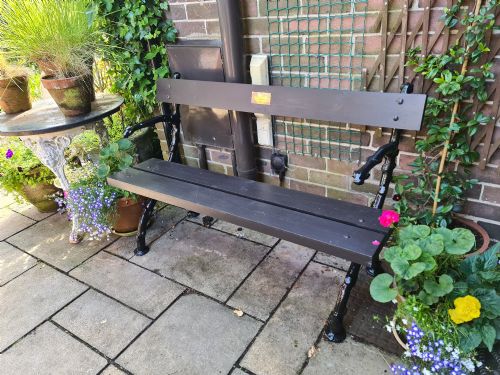
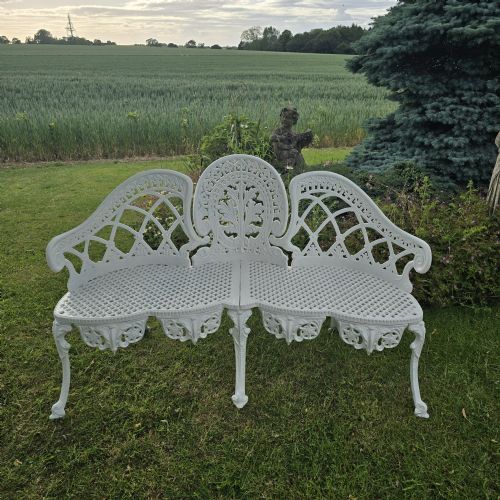
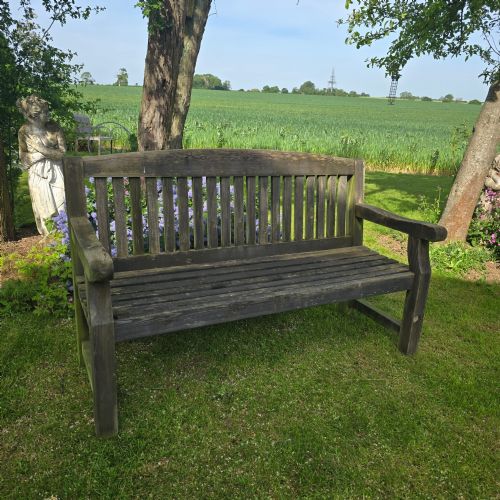
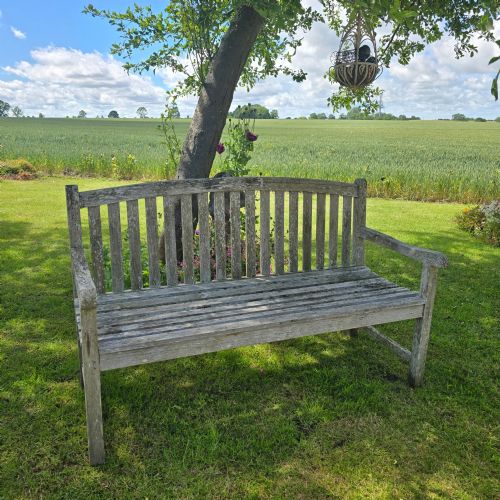
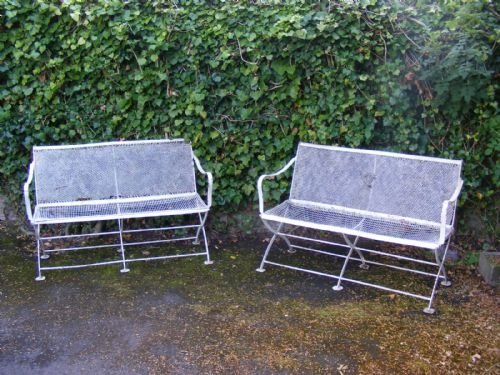
These lawn seating bench examples offer durable resting spots for gardens, uniting functional metalwork with resilient timber.
Lawn Seating Bench
A lawn seating bench provides sturdy outdoor accommodation, typically taking the form of traditional garden benches or associated garden chairs. These pieces originate from distinct eras ranging from the early nineteenth century through to the nineteen-thirties.
Buyers will most frequently encounter sturdy timber versions alongside robust metal variations. The selection includes styles influenced by Victorian rustic and Regency aesthetics, suited for open-air placement.
How they were made
Makers utilised resilient materials such as teak wood, wrought iron, and cast iron to withstand outdoor conditions. Strap work techniques and casting methods shaped the heavy metal frames.
Wooden elements were selected for weather resistance, while iron components provided structural rigidity and ornate decorative detailing.
Lawn Seating Bench Retail Price Guide 2026
Typical asking prices for lawn seating bench among the pieces listed under this phrase on Sellingantiques today, from the lower quarter to the upper quarter. They describe what is for sale here now, not the wider market.
Current listings feature lawn seating bench examples spanning the nineteenth century, Regency period, nineteen-hundred, and nineteen-thirty.
What varies in quality
The refinement of the casting and the execution of iron strap work distinguish superior examples from simpler utilitarian forms. Finishes range from well silvered timber surfaces to painted metal structures.
Structural integrity depends on the original joining of materials and the preservation of the underlying metal or wood over time.
The Lawn Seating Bench Glossary
- Wrought iron
- Iron that is heated and worked with tools rather than cast in a mould. This material provides strength and permits slender, curved structural members.
- Cast iron
- Iron poured molten into a mould to create decorative and structural garden furniture. It allows for intricate patterns and heavier supporting frames.
- Teak
- A dense, oil-bearing tropical hardwood valued for outdoor use. It resists moisture and ages to a silvered tone.
- Strap work
- Ornamental patterns formed of flat strips of metal. This technique is frequently seen on nineteenth-century garden seating.
Lawn Seating Bench: Frequently Asked Questions
Where should a lawn seating bench be placed?
Position your bench on firm, level ground within a garden, patio, or lawn setting to ensure stability. Placing the piece against a hedge or wall can also provide a sheltered spot for resting.
Consider the path of the sun and surrounding views when choosing a final location so the seating is both practical and pleasant to use.
How do I maintain a wooden bench?
Teak benches often weather naturally to a silvery grey tone without requiring heavy chemical treatments. Periodic cleaning with mild soapy water helps remove surface dirt and debris.
Storing the furniture during harsh winter months or covering it securely will further protect the timber and extend its lifespan outdoors.
How do I care for iron garden seating?
Wrought iron and cast-iron frames benefit from regular checks for surface moisture and minor paint wear. Keeping the metal clean prevents rust from taking hold.
Applying appropriate protective coatings when necessary will preserve the structural integrity of the ironwork through changing weather seasons.
What defines Regency garden furniture style?
Regency style often incorporates classical proportions, clean lines, and restrained ornamental ironwork. These designs reflect early nineteenth-century aesthetic preferences for elegant outdoor integration.
Pieces from this period frequently balance architectural formality with the practical requirements of garden seating.