

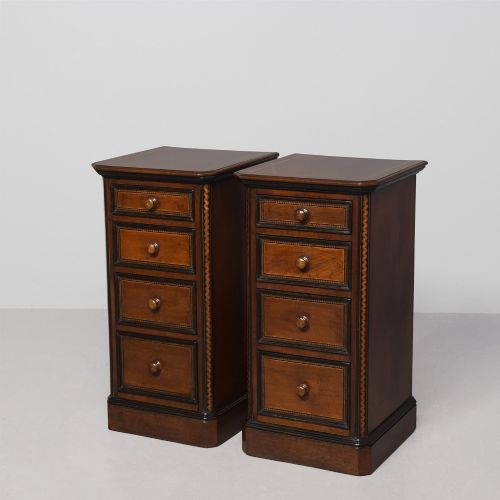
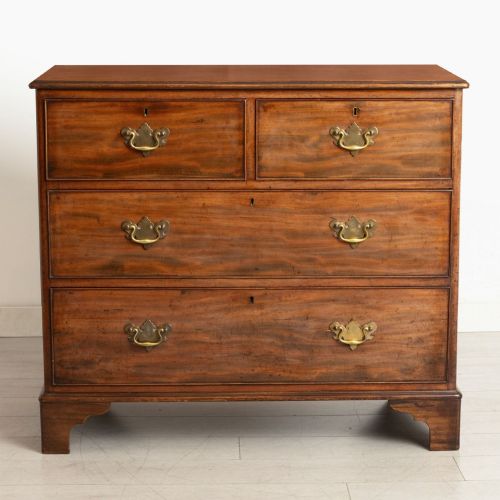
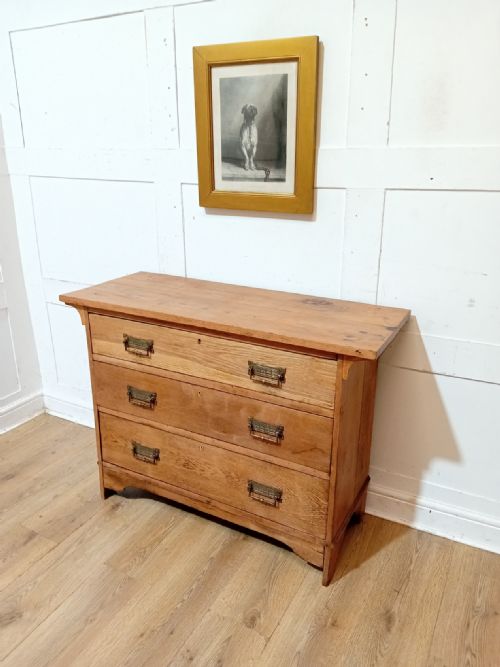
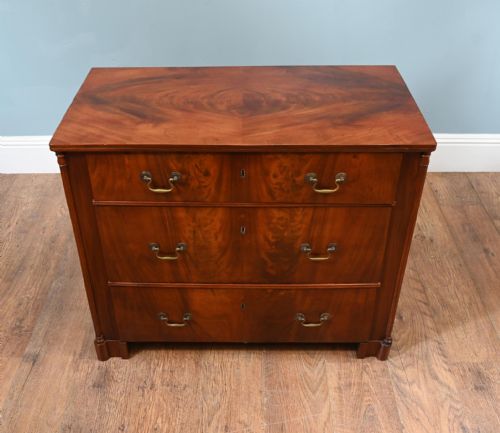




Late 19th Century Tallboy
A late 19th century tallboy offers vertical storage through stacked drawers, combining period timber work with practical room organisation.
Late 19th Century Tallboy
A late 19th century tallboy represents a vertical chest of drawers designed to maximise storage capacity while occupying a compact floor footprint. The selections on this page span styles from Victorian incarnations to revival pieces referencing earlier Georgian aesthetic traditions.
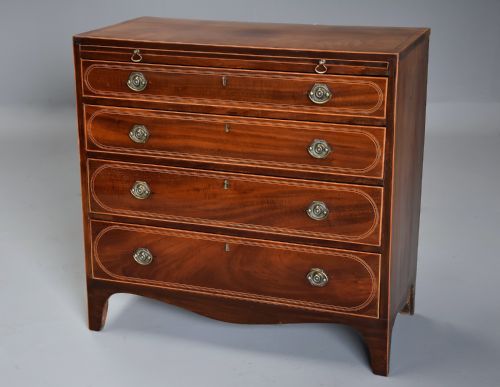
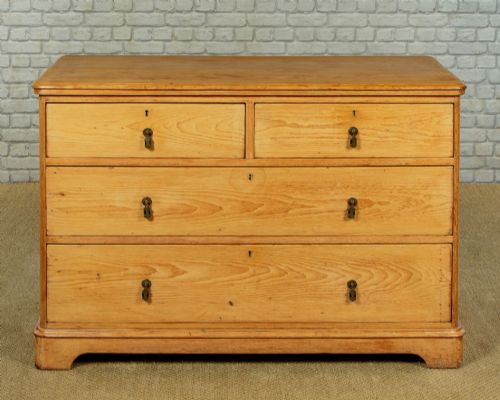
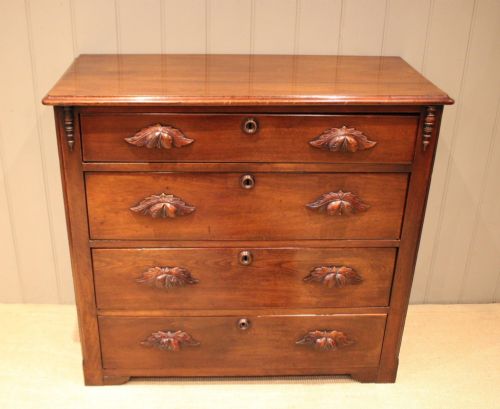
Most examples function as chests of drawers or chest on chest configurations, built from timbers such as mahogany, walnut, and pine. Makers of the period drew upon Hepplewhite, Sheraton, and Chippendale revival motifs to decorate the drawer fronts and cornices.
Origin variations include English workshops alongside Swedish interpretations utilising burr walnut. These pieces suit bedrooms and dressing rooms where floor space remains at a premium.
How they were made
Cabinet makers constructed these pieces using solid timbers alongside veneered surfaces, applying mahogany, walnut, and satinwood over secondary woods like pine and oak. Brass hardware typically furnishes the drawer pulls and handles.
Surfaces often feature decorative satinwood inlay and bracket feet supporting the main carcase. Joinery techniques from the period ensure robust construction across multi-drawer formats.
Late 19th Century Tallboy Retail Price Guide 2026
Typical asking prices for late 19th century tallboy among the pieces listed under this phrase on Sellingantiques today, from the lower quarter to the upper quarter. They describe what is for sale here now, not the wider market.
Some chests hide secret top drawers that require a gentle nudge to reveal their contents.
What varies in quality
Construction standards differ between standard utility pieces and finer workshop productions. The choice of primary timber, from plain pine to figured burr walnut, dictates the visual presence of the piece.
Precision in the application of satinwood inlay and the execution of revival styles such as Hepplewhite or Chippendale separate standard examples from superior items.
Druce & Co
The Late 19th Century Tallboy Glossary
- Tallboy
- A tall chest of drawers, often constructed as one chest stacked upon another to provide extensive vertical storage. This form became popular for maximising room space.
- Chest on chest
- A specific tallboy configuration comprising an upper chest resting directly upon a slightly larger lower chest. This design provides multiple tiers of storage.
- Satinwood inlay
- Decorative wood ornamentation inserted into the primary timber surface to create contrasting patterns and borders. It characterises many revival pieces from the period.
- Bracket foot
- A structural foot shape supporting the corners of the chest carcase, often cut into a shaped bracket profile. It lifts the body off the floor.
- Serpentine-front
- A curved drawer front featuring a convex centre flanked by concave ends. This shaping requires advanced woodworking skill.
Late 19th Century Tallboy: Frequently Asked Questions
What is a tallboy?
A tallboy is a vertical chest of drawers designed to provide ample storage without taking up excessive floor space in a bedroom.
Many examples stack one chest upon another or build upward in a narrow pedestal format.
How do I date these pieces?
Dating relies on observing construction methods, timber choices, and stylistic revival cues associated with the late 19th century.
Hardware styles and secondary woods also offer clear indicators of the manufacturing period.
Where should I place a tallboy?
These chests suit bedrooms, dressing rooms, or hallways where vertical wall space allows for tall furniture.
Ensure adequate clearance for opening drawers fully without obstruction from nearby furniture.
What woods were used?
Cabinet makers utilised mahogany, walnut, burr walnut, satinwood, pine, and oak across different pieces.
Primary display surfaces often featured decorative veneers supported by sturdier secondary carcase timbers.