

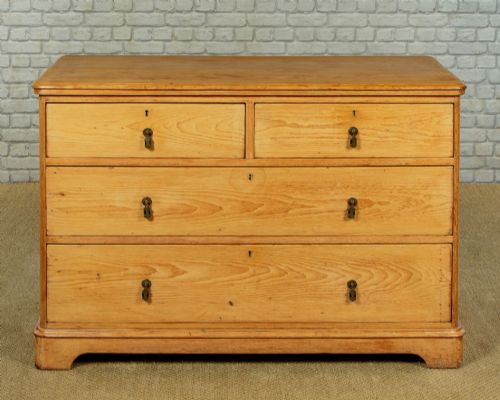
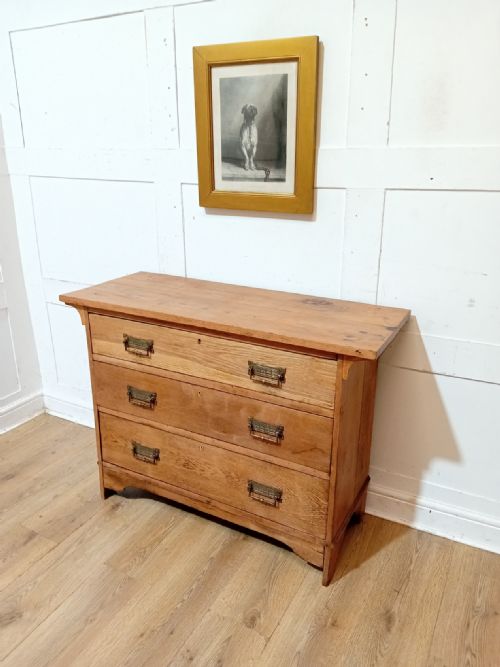
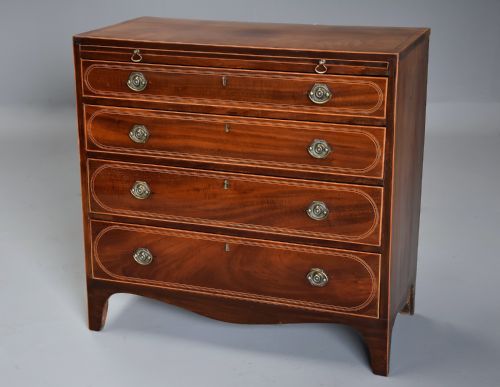

Late 19th Century Dresser
A late 19th century dresser brings robust utility and distinctive period character to a modern interior.
Late 19th Century Dresser
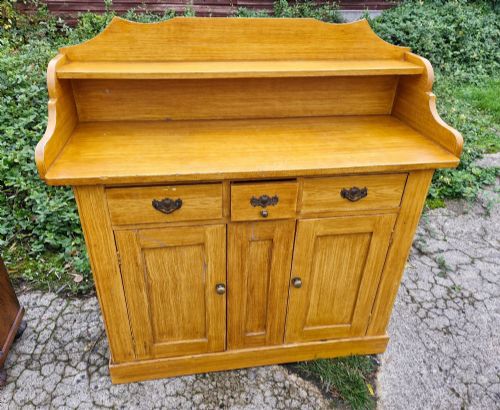
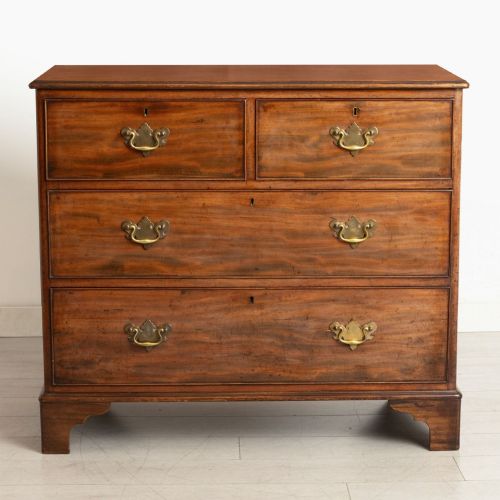
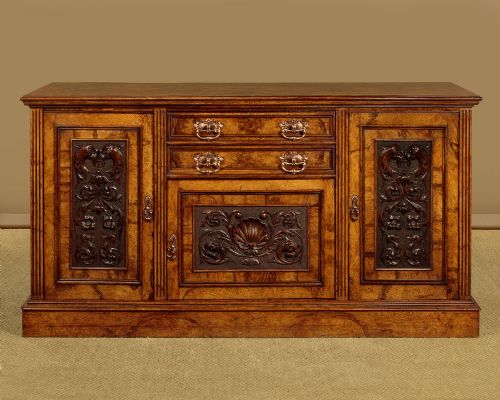
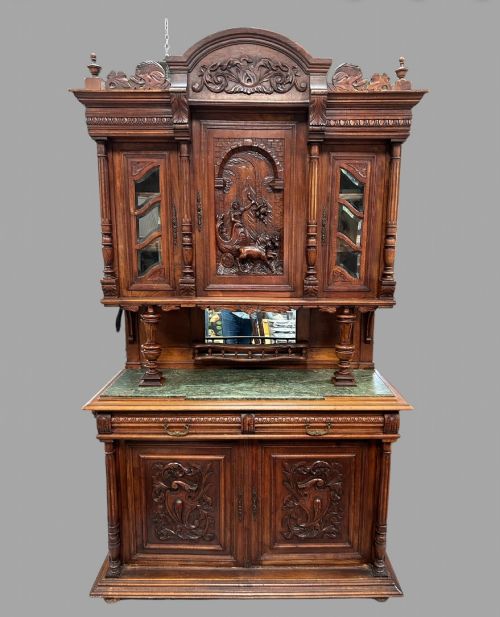
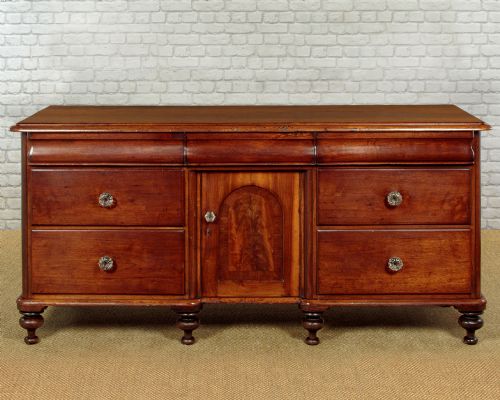
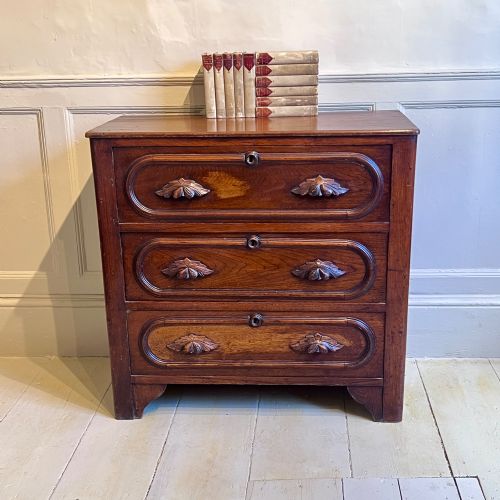
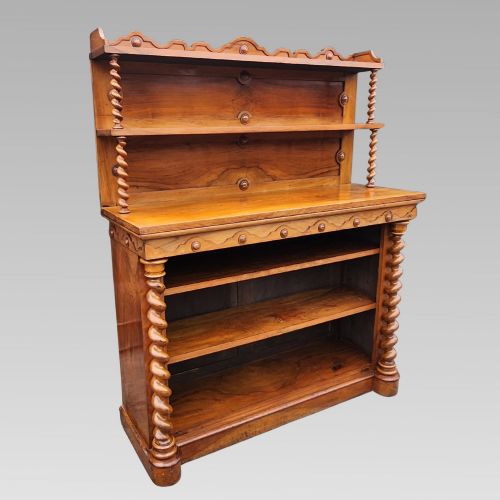
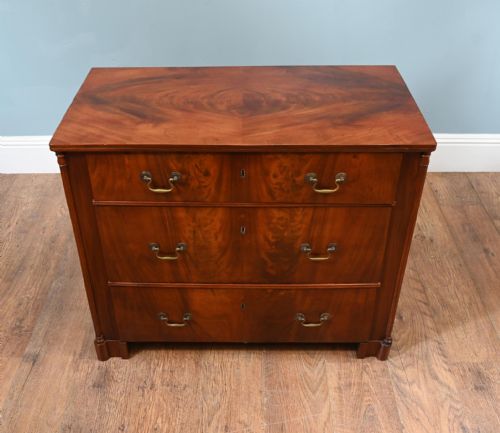
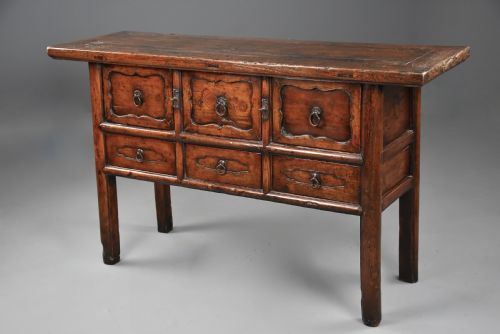
When you search for a late 19th century dresser, you encounter heavy timber furniture created during the Victorian and Arts & Crafts periods for domestic storage and display. These pieces encompass kitchen dressers, dresser bases, and related forms like sideboards, commodes, and chests of drawers.
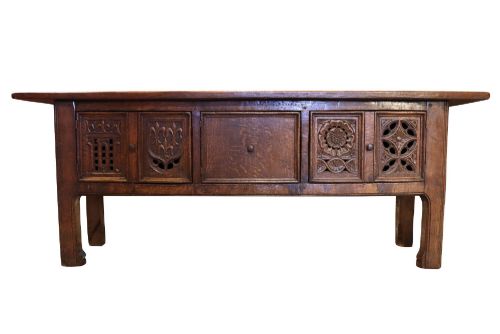
You are most likely to meet oak and mahogany examples built around eighteen-eighty to eighteen-ninety, showing styles ranging from Gothic Revival to French Provincial and simple utilitarian designs. Many incorporate open pot shelves, enclosed cupboards, or sets of drawers intended for daily household use.
Materials and methods
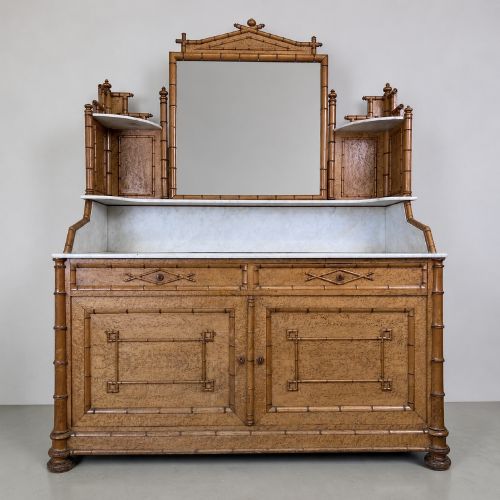
Cabinetmakers constructed these pieces primarily from solid hardwoods like oak, walnut, and mahogany, alongside softer timbers such as pine and birch. Selected examples feature decorative veneers including tulipwood, bird's-eye maple, and pollard oak to add visual depth to the surface.
Joinery techniques relied on traditional hand-cut joints, dovetailing for drawer construction, and panelled doors fitted to sturdy frames. Metal hardware in brass and copper, along with inset marble tops, frequently completed the construction of these storage items.
Late 19th Century Dresser Retail Price Guide 2026
Typical asking prices for late 19th century dresser among the pieces listed under this phrase on Sellingantiques today, from the lower quarter to the upper quarter. They describe what is for sale here now, not the wider market.
The listings feature oak, mahogany, walnut, and pine as the primary woods used across the late nineteenth century.
What separates the finest examples
The degree of refinement in the timber selection and carving separates standard utility furniture from more ambitious workshop pieces. Heavier mouldings, balanced proportions, and carefully matched grain patterns elevate the presence of a design.
The integrity of the original construction, including smooth-running drawers, intact brass or copper fittings, and preserved surface finishes, determines the overall calibre of the piece.
Druce & Co·Christopher Dresser
The Late 19th Century Dresser Glossary
- Dresser base
- A low sideboard or cabinet featuring drawers and cupboards without the upper plate rack. This form provided a solid surface for food preparation and serving.
- Pot shelf
- An open lower shelf positioned beneath a dresser base or sideboard. It served as a practical place for heavy pots and kitchen storage.
- Commode
- A low cabinet or chest of drawers designed with enclosed storage compartments. French examples frequently incorporate shaped fronts and marble tops.
- Gothic Revival
- A nineteenth-century design style drawing inspiration from medieval architecture. Pieces display pointed arches, heavy linenfold carving, and robust framing.
- Aesthetic Movement
- A late Victorian design phase focused on art for art's sake. Furniture from this circle often uses ebonised timber, geometric lines, and decorative brass mounts.
Late 19th Century Dresser: Frequently Asked Questions
What is a late 19th century dresser?
A late 19th century dresser is a wooden storage unit built during the Victorian era, typically featuring combinations of drawers, cupboards, and open shelving.
These items were constructed in various regional styles, ranging from rustic oak kitchen furniture to formal walnut and mahogany case pieces.
How were these dressers used originally?
Households utilised these pieces in kitchens, dining rooms, and bedrooms to store tableware, linens, and provisions while displaying decorative ceramics.
The sturdy flat top surfaces also provided practical workspace for daily domestic tasks.
How do I style a period dresser at home?
Integrating one of these dressers into a contemporary room involves using the surface and shelves to display ceramics, books, or glassware.
The rich timber tones and natural patinas ground modern interior schemes with historical warmth and texture.
How do I distinguish Victorian from Arts and Crafts pieces?
Victorian examples often display heavier ornamentation, polished mahogany or walnut surfaces, and formal revival styling.
Arts and Crafts pieces emphasise honest construction in solid oak, visible joinery, and simpler functional lines.