

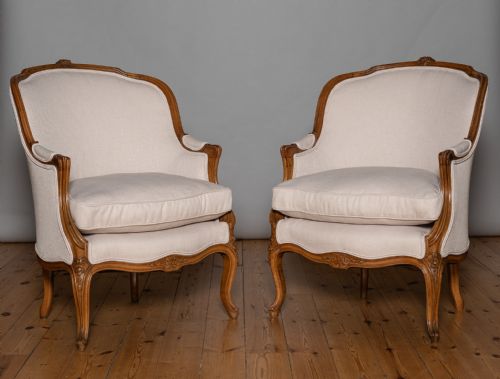
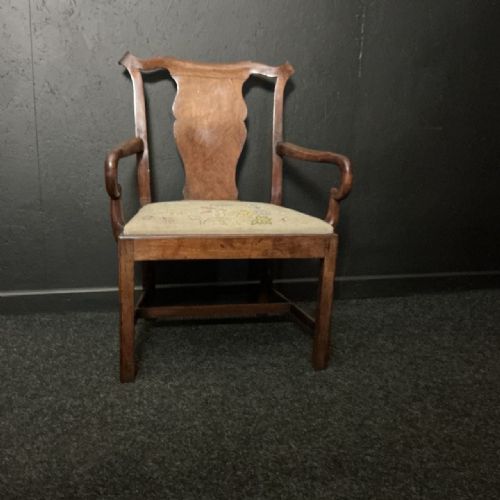


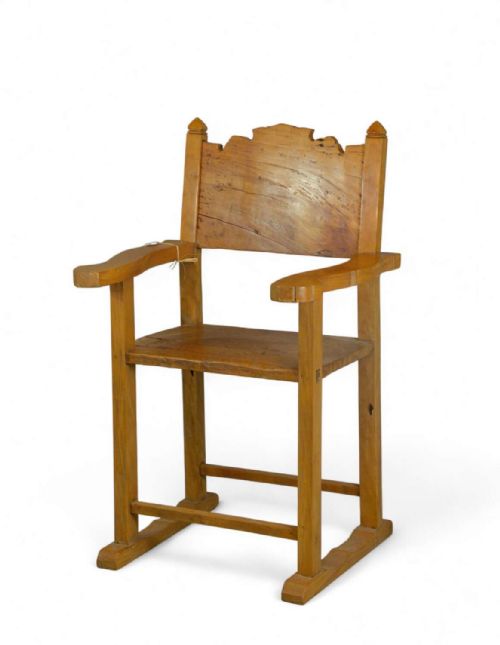


Large Wooden Armchair
A large wooden armchair is a substantial seat built for comfort and presence, offering a commanding presence in any room.
Large Wooden Armchair
A large wooden armchair provides an imposing seating option, drawing the eye through scale and craftsmanship. These pieces span centuries of design, ranging from vernacular country chairs to grand revival styles.
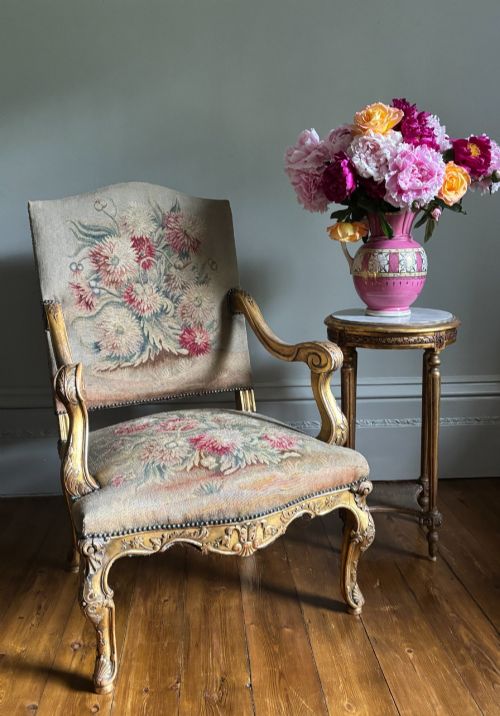
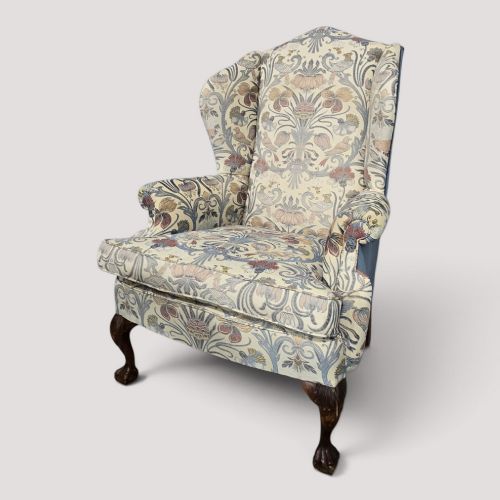
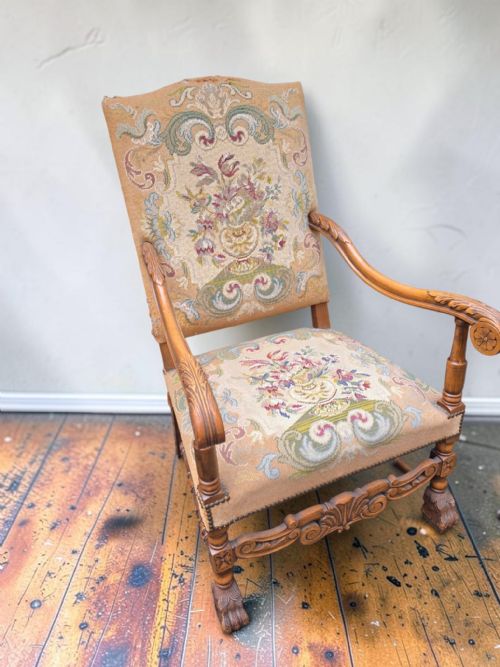
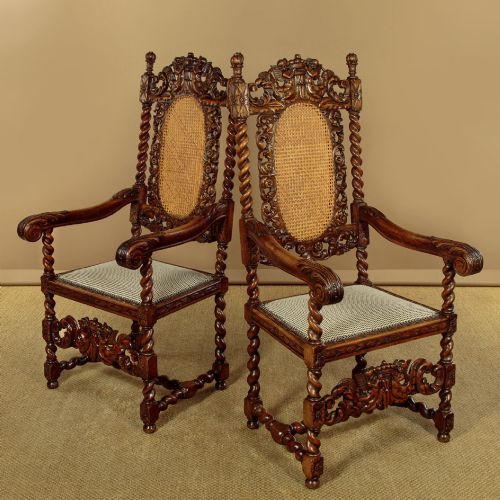
You will frequently encounter sturdy farmhouse windsor chairs alongside heavily carved walnut and oak armchairs. The selection also includes upholstered varieties featuring needlework, tapestry, and fabric coverings.
Origins stretch across English country houses, Welsh workshops, and French studios, each bringing distinct regional characteristics to the timber frame. Buyers select these chairs to anchor a room with functional historical weight.
How they were made
Construction relies heavily on timbers such as oak, walnut, elm, and fruitwood, selected for their structural integrity and grain. Joinery techniques connect heavy frames, often enhanced by hand carving.
Upholstered variants incorporate supportive stuffing beneath materials like leather, fabric, and tapestry. Frame surfaces receive finishes ranging from natural polish to painted highlights and silver gilt.
Large Wooden Armchair Retail Price Guide 2026
Typical asking prices for large wooden armchair among the pieces listed under this phrase on Sellingantiques today, from the lower quarter to the upper quarter. They describe what is for sale here now, not the wider market.
Listings feature regional vernacular forms like Welsh and farmhouse chairs alongside formal revival pieces in oak, walnut, elm, and fruitwood.
What varies in quality
Quality rests in the crispness of the timber carving and the architectural proportion of the frame. Superior examples demonstrate thoughtful selection of grain and robust joinery that withstands centuries of use.
The sophistication of the upholstery work and the preservation of original timber surfaces distinguish finer pieces. Regional vernacular items show integrity in their honest construction and local material use.
The Large Wooden Armchair Glossary
- Windsor
- A traditional chair type featuring a solid wooden seat into which the legs and spindled back are wedged. These vernacular pieces often combine timbers like elm and fruitwood for durability.
- Bergere
- An enclosed upholstered armchair with wooden framing exposed around the sides and back. This French style emphasises comfort with a built-in seat cushion.
- Throne chair
- A high-backed, imposing seat of grand proportions, frequently embellished with elaborate carving. Such chairs project authority and historical revival styling.
- Silver gilt
- A technique applying thin silver leaf or powder to a carved wooden surface. This decorative finish appears on high-status continental seating.
- Needlework
- Hand-stitched textile covering applied to the seat and back of upholstered chairs. It introduces intricate patterns and varied colour to the wooden framework.
Large Wooden Armchair: Frequently Asked Questions
Where should I place a large wooden armchair?
These substantial seats suit spacious reception rooms, studies, or hallways where their scale can be appreciated. They require adequate clearance around them to function as standalone statement pieces.
Position them away from direct heat sources to protect the timber and upholstery from drying out or fading over time.
How do I care for wooden frames?
Dust the timber regularly with a soft, dry cloth to prevent dirt accumulation in the carved details. Avoid commercial silicone polishes that can build up and harm historic finishes.
Feed dry wood occasionally with appropriate wax to maintain the natural lustre of walnut, oak, or fruitwood.
Are these chairs comfortable for daily use?
Many large armchairs were built with generous proportions specifically for relaxation. Upholstered versions offer deep cushioning, while wooden windsor forms provide ergonomic support through shaped seats and bowed backs.
Testing the seat height and depth helps determine how well a particular chair suits your physical needs.
How can I tell the period of an armchair?
Examine the timber species, tool marks, and joinery methods visible beneath or behind the chair. Stylistic cues such as carved motifs or turned legs often point toward specific decades or revivals.
Comparing proportions and construction details against documented examples helps narrow down the date of manufacture.