

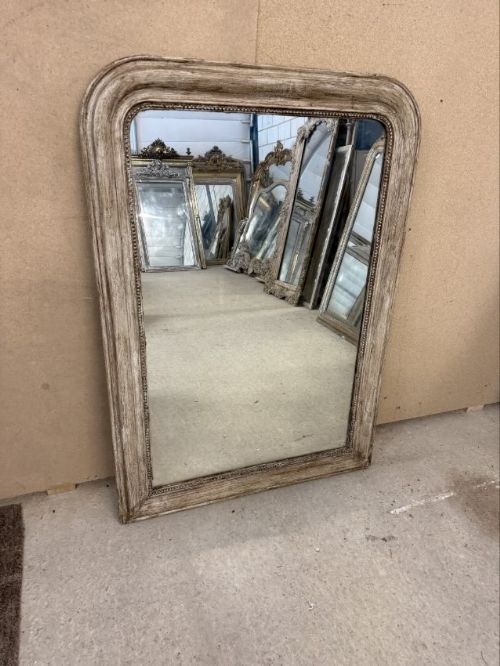
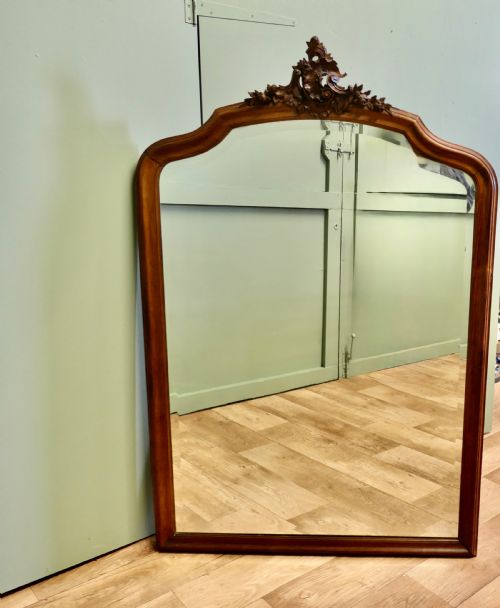
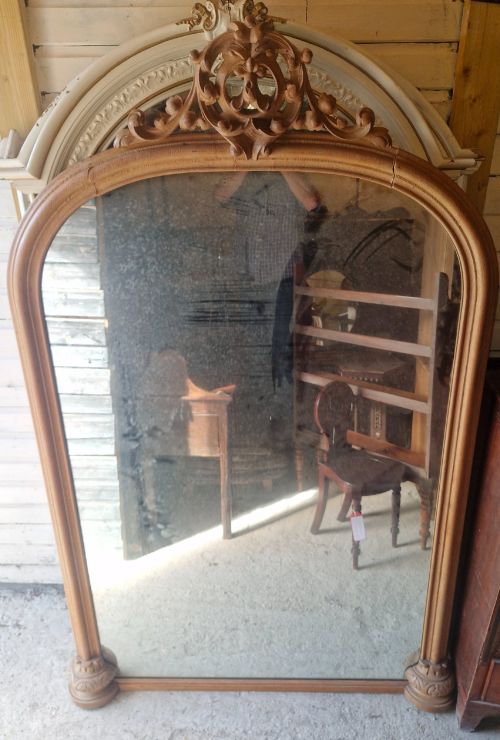
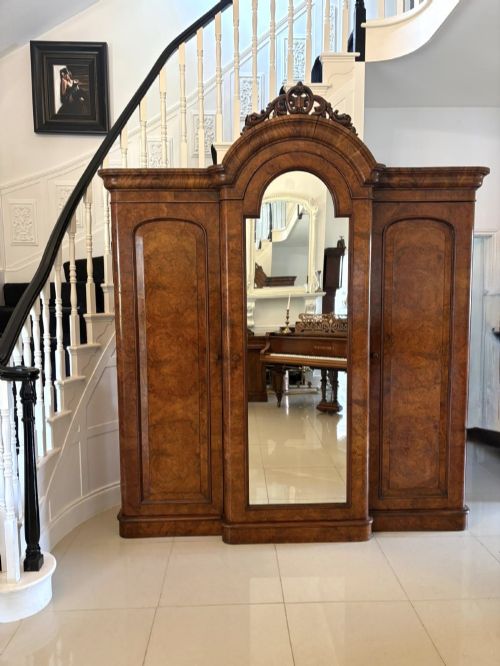


Large Wooden Arch Mirror
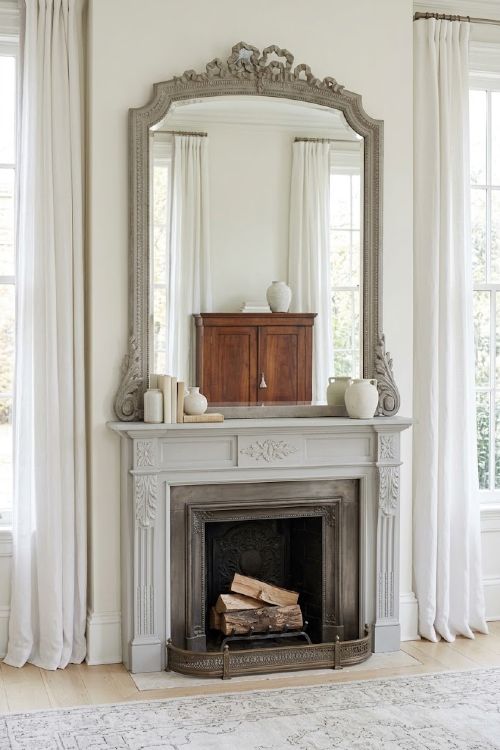
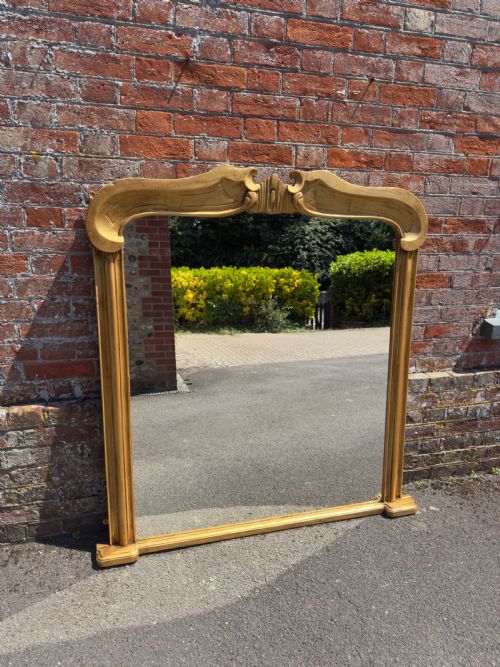
A large wooden arch mirror brings architectural depth to a room, channelling nineteenth-century proportion through grand framing and reflective glass.
Large Wooden Arch Mirror
A large wooden arch mirror stands as a commanding room presence, originating predominantly from the nineteenth century across English and French workshops. When searching for a large wooden arch mirror, buyers encounter grand overmantels and wall-hung pieces designed to reflect light and expand interior space.
The domestic forms recorded here span Victorian overmantels, French Louis Philippe designs, and Gothic revival pieces. These substantial mirrors frequently served as focal points above fire grates or along drawing room walls, constructed to anchor high-ceilinged interiors with curved upper profiles.
How they were made
Carved timber frames form the structural backbone of these pieces, utilising woods such as walnut, oak, mahogany, and burr yew. Artisans shaped these timbers by hand before applying layers of gesso to prepare complex mouldings and surface ornament.
Finishing techniques involved applying paint, parcel gilding, or silvering directly over the gesso ground to achieve metallic lustre or painted contrast. Mirror glass was then fitted securely into the rebated backs, often retained by original timber boarding.
Large Wooden Arch Mirror Retail Price Guide 2026
Typical asking prices for large wooden arch mirror among the pieces listed under this phrase on Sellingantiques today, from the lower quarter to the upper quarter. They describe what is for sale here now, not the wider market.
Period examples span the Victorian era, the nineteenth century, and the early twentieth century.
What varies in quality
The sophistication of the carved wood and gesso ornamentation dictates the primary tier of craftsmanship in these mirrors. Crisp, deeply undercut foliage and scrollwork separate ambitious workshop output from simpler, flatter mouldings.
The integrity of the original surface finish, whether gilt, painted, or ebonised, heavily influences the visual weight of the piece. Untouched patination on both the timber frame and the ageing mirror plate indicates careful preservation over generations.
The Large Wooden Arch Mirror Glossary
- Overmantel mirror
- A wide mirror specifically proportioned to hang on the wall directly above a fireplace mantelpiece. These pieces often feature low horizontal emphasis or arched crests designed to fit chimney breasts.
- Gesso
- A plaster-like mixture applied to wood frames to create a smooth surface for gilding or painting. Artisans could carve and stamp intricate relief patterns into the dried gesso layer.
- Giltwood
- Timber carved and subsequently covered with thin sheets of gold leaf or metallic powder. This technique imparted a brilliant, reflective quality to frames intended for formal reception rooms.
- Louis Philippe
- A mid-nineteenth-century French style characterised by restrained curves and subtle neoclassical proportions. Mirrors from this aesthetic typically display gentle arched tops with minimal, elegant framing.
- Gothic revival
- An architectural and decorative style drawing inspiration from medieval forms. Pieces from this movement often incorporate pointed arches, quatrefoils, and ecclesiastical framing motifs.
Large Wooden Arch Mirror: Frequently Asked Questions
Where should I place an overmantel mirror?
Mounting the piece centrally above a fireplace remains the traditional placement, anchoring the vertical proportions of the chimney breast. This positioning draws natural light deeper into the space.
Alternatively, hanging the mirror low against a main wall creates the illusion of an additional window or doorway. Ensure surrounding furniture proportions complement the grand scale of the frame.
How do I clean antique mirror glass?
Wipe the glass gently using a soft microfibre cloth slightly dampened with distilled water or a mild, ammonia-free cleaning solution. Avoid spraying liquids directly onto the glass to prevent moisture seeping behind the silvering.
Carefully clean around the edges where the plate meets the gesso or wood frame. Excess moisture can damage vulnerable historical finishes and oxidise the mirror backing.
Are the mirror plates original?
Many nineteenth-century frames retain their original mercury or early silvered glass, which often exhibits characteristic foxing and soft distortion. These subtle imperfections confirm the age and authenticity of the piece.
Replacement glass occasionally appears in listings where domestic accidents necessitated modern reglazing over the decades. Inspect the interface between the glass edge and the rebate for clues regarding replacement history.