




Large Porcelain Vase Lamps
Large porcelain vase lamps bring substantial height and painted detail to a room, turning antique vessels into working lighting.
Large Porcelain Vase Lamps
Large porcelain vase lamps take substantial antique vessels from Asian and European kilns and adapt them for illumination. When you search for large porcelain vase lamps, you encounter pieces transformed from decorative jars and urns into domestic table lighting.
The selection on this page draws heavily on nineteenth-century Chinese and Japanese production, including Satsuma, Imari, and Rose Medallion wares. European makers also appear through Paris porcelain and French Sevres factories.
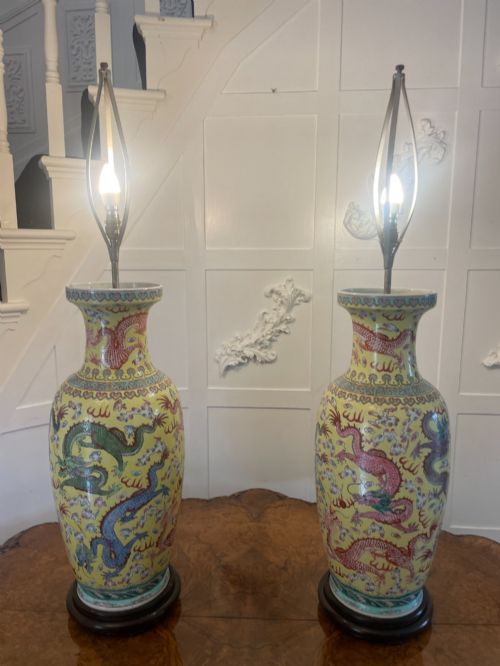
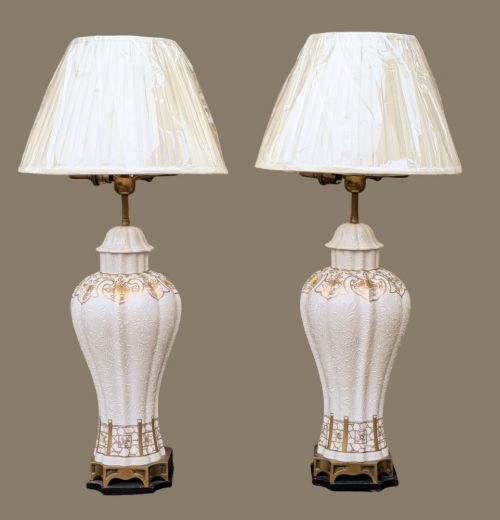
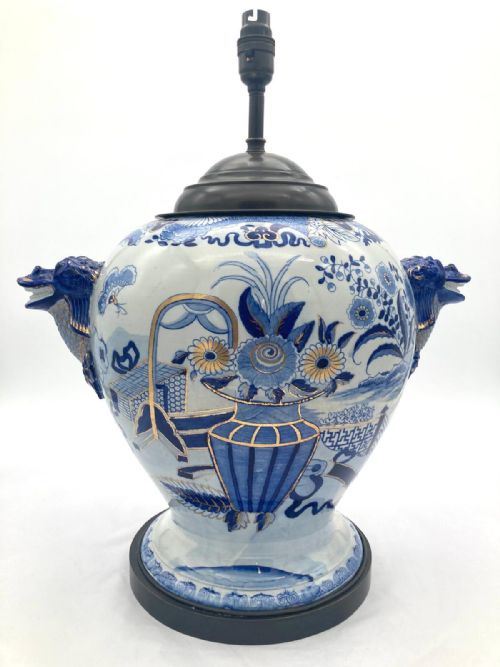
Many items survive as matched pairs, offering symmetrical presence for sideboards or mantelpieces. Forms range from blue and white jars to heavily enamelled polychrome surfaces mounted on gilt bronze or brass bases.
How they were made
Potters shaped these bodies from fine clay and porcelain before applying underglaze blue or rich overglaze enamel decoration. Artisans often worked within established traditions such as Chinese Qing dynasty styles or Japanese Meiji period aesthetics.
Metalworkers fitted many of these ceramic bodies with gilt bronze, brass, or wooden mounts to provide stable bases and secure fittings for electrical wiring. Fabric and silk shades complete the conversion from ornamental vessel to functional lamp.
Large Porcelain Vase Lamps Retail Price Guide 2026
Typical asking prices for large porcelain vase lamps among the pieces listed under this phrase on Sellingantiques today, from the lower quarter to the upper quarter. They describe what is for sale here now, not the wider market.
Design styles represented span Chinoiserie, Chinese Export, Meiji Period, Qing Dynasty, and French Chinoiserie.
What varies in quality
Quality rests primarily in the crispness of the hand-painted ceramic decoration and the richness of the enamel palette. Finely articulated brushwork on pieces like Satsuma or Famille Verte wares elevates the visual weight of the lamp.
The integration of metal mounts also dictates overall merit. Heavy cast brass or gilt bronze mounts demonstrate superior craftsmanship compared to simpler wooden or plain turned bases.
Hicks and Meigh·Sevres
The Large Porcelain Vase Lamps Glossary
- Rose Medallion
- A distinct style of nineteenth-century Chinese porcelain featuring panelled scenes filled with figures, birds, and flowers in bright pink and green enamels.
- Satsuma
- Japanese earthenware and porcelain decorated with intricate polychrome enamels and raised gilding, often depicting figural groups.
- Imari
- Japanese porcelain decorated in underglaze blue, iron red, and gilt, following patterns established during the Edo period.
- Celadon
- A term for ceramics featuring a pale grey-green transparent glaze that mimics the appearance of jade.
Large Porcelain Vase Lamps: Frequently Asked Questions
How do I light a large vase lamp?
Most of these pieces are wired for standard modern electrical sockets and domestic power supplies.
Position them on sturdy tables where their considerable height and weight can anchor the arrangement safely.
Are these lamps converted from original vases?
Many examples began life as decorative jars, spill vases, or display vessels before receiving professional conversion into lamps.
Metal mounts and internal wiring are typically later additions fitted to preserve the ceramic body while adding utility.
How do I identify Japanese Meiji period pieces?
Meiji period items often display dense, elaborate decoration such as Satsuma enamels or Yokohama export designs.
These works reflect the opening of Japanese trade to Western markets during the late nineteenth century.
What periods do these lamps date from?
The pieces span the eighteenth, nineteenth, and early twentieth centuries.
Nineteenth-century production forms the largest share of the selection, encompassing Qing dynasty exports and European revival styles.