





Large Metal Log Holder
These large metal log holders bring practical warmth and character to a hearth through robust Victorian and nineteenth-century construction.
Large Metal Log Holder
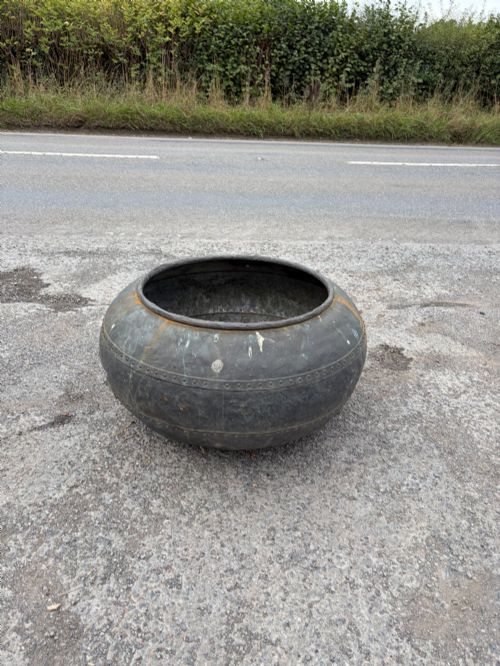
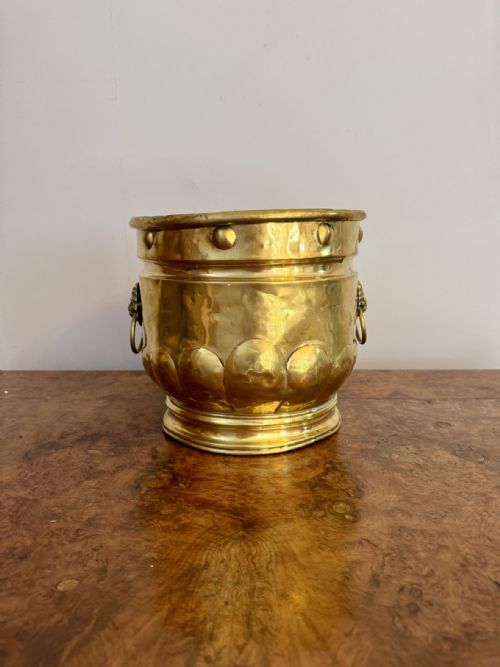
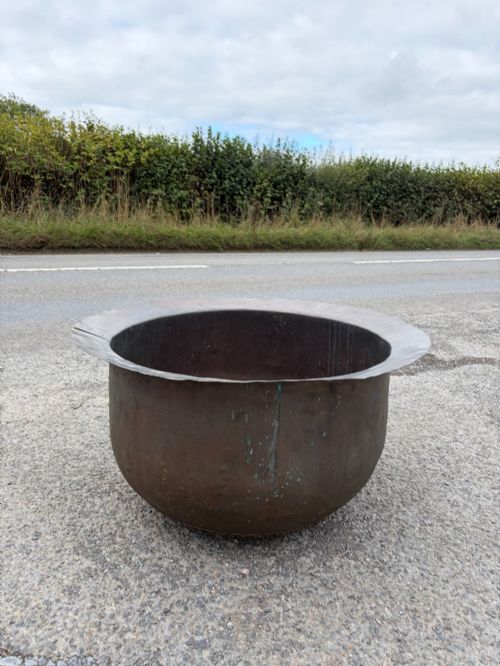
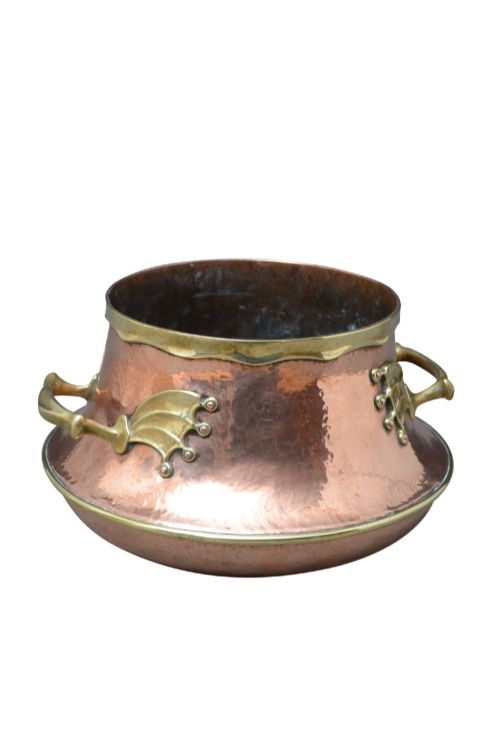
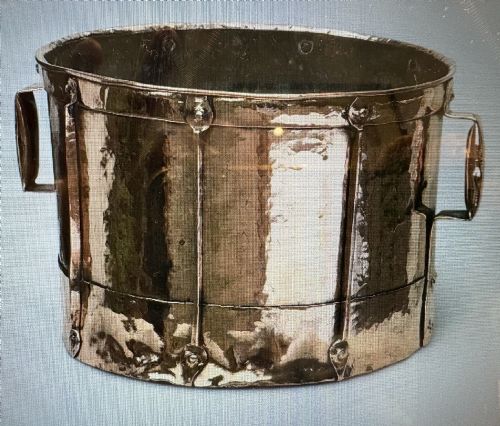
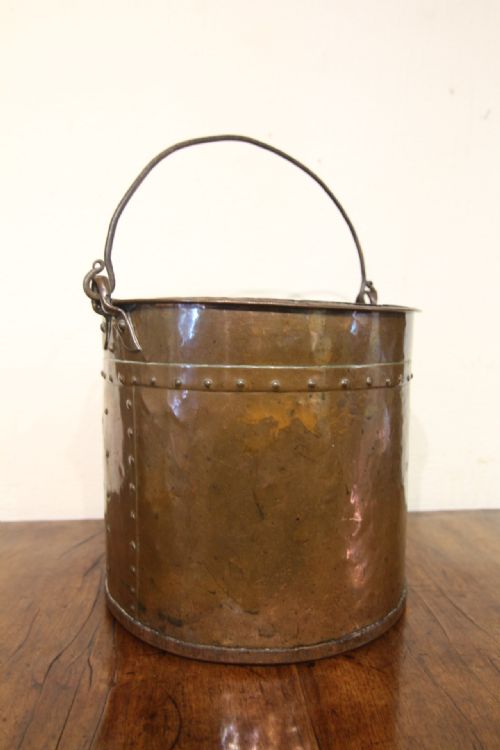
A large metal log holder serves as a substantial fireside container for fuel, taking the form of copper pots, brass cauldrons, iron frames, and riveted buckets. These functional vessels originate primarily from the nineteenth century, including Victorian, Georgian, and Regency periods.
Buyers will most frequently encounter nineteenth-century copper log bins, alongside brass jardinières and iron-handled cauldrons repurposed for fireside use. Many examples double as planters or grain measures, showing versatile utility across French Provincial and rustic farmhouse styles.
The selection ranges from heavy cast iron to hammered copper vessels fitted with wrought iron swing handles and brass mountings. Each piece combines domestic utility with decorative presence by the hearth.
How they were made
Craftsmen shaped these vessels using durable base metals such as copper, brass, iron, and sheet iron, frequently joining heavy sheets with visible rivets. Wrought iron provided strong swing handles and structural frames to support the weight of timber.
Surface finishes include hand-hammered detailing, dinanderie work, scrumbled paint, and natural verdigris patination acquired over decades of service. Construction methods prioritize structural endurance, utilising thick metal walls capable of containing heavy loads of logs and coal.
Large Metal Log Holder Retail Price Guide 2026
Typical asking prices for large metal log holder among the pieces listed under this phrase on Sellingantiques today, from the lower quarter to the upper quarter. They describe what is for sale here now, not the wider market.
Several heavy copper vessels began life as footbaths or grain measures before finding a warmer retirement by the hearth.
What varies in quality
Quality rests upon the integrity of the metalwork, the weight of the material, and the originality of handles, rims, and frames. Heavy-gauge copper and robust brass display superior durability compared to thinner sheet iron alternatives.
The distinction between ordinary vessels and finer examples lies in crisp hand-hammering, secure riveting, and intact original iron fittings. Pieces retaining authentic patination and balanced proportions command greater appreciation.
The Large Metal Log Holder Glossary
- Cauldron
- A large deep metal pot with a round base, traditionally used for cooking or boiling, fitted with a swing handle for suspension or lifting.
- Dinanderie
- An art form involving decorative objects made of brass, copper, or bronze, often featuring hammered or etched surface patterns.
- Jardiniere
- An ornamental pot or stand designed to hold plants or flowers, frequently utilised beside the hearth as a log or coal bin.
- Ferrat
- A traditional French term associated with agricultural measures and heavy metal containers used for grain or dry goods.
- Scrumbled
- A painting technique involving translucent layers of glaze manipulated over a base coat to create mottled or textured decorative finishes.
Large Metal Log Holder: Frequently Asked Questions
What is a large metal log holder?
A large metal log holder is a durable fireside receptacle, typically formed from copper, brass, or iron, designed to store fuel neatly near a fireplace.
These pieces range from antique copper pots and riveted buckets to heavy brass cauldrons and framed bins.
How were these metal vessels originally used?
Many examples served utilitarian purposes in domestic or agricultural settings as cooking cauldrons, grain measures, footbaths, or wash boilers before transitioning to fireside storage.
Over time, their sturdy metal construction made them ideal for holding heavy timber, peat, and coal.
How do I style a metal log holder at home?
Position the vessel directly beside an open hearth or wood-burning stove to combine practical fuel storage with traditional interior texture.
The rich metallic patinas of copper and brass complement both rustic farmhouse settings and classic period interiors.
How can I tell the period of a log holder?
Dating relies upon manufacturing techniques, such as hand-riveting, heavy gauge metalworking, and stylistic markers associated with Victorian, Georgian, or Arts and Crafts design.
Surface patination, handle construction, and specific maker styles like dinanderie further help identify the era.