





Large Metal Centerpiece
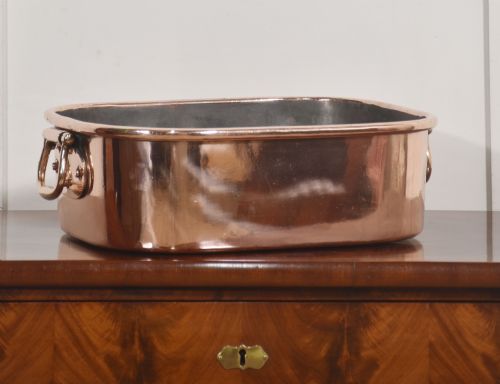
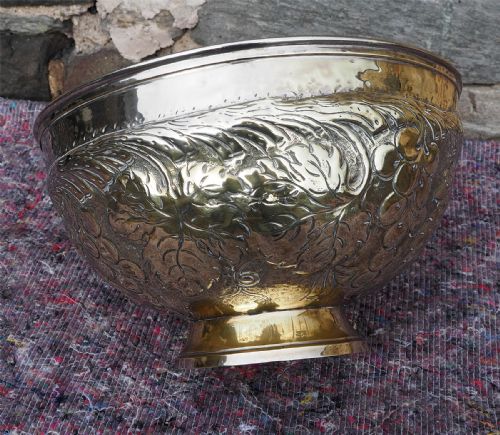
A large metal centerpiece anchors a dining table or sideboard, bringing commanding presence through substantial bronze, brass, copper, and silver plate.
Large Metal Centerpiece
When you search for a large metal centerpiece, you encounter substantial decorative vessels, bowls, tazzas, and candelabra designed to command attention on a table or sideboard. These items emerge from the nineteenth and early twentieth centuries, spanning Victorian, Art Nouveau, Arts and Crafts, and French Empire styles.
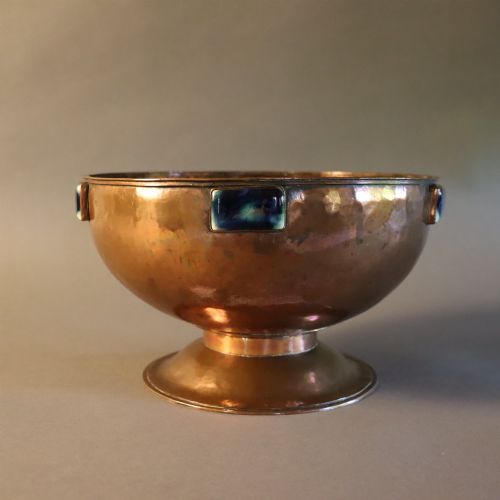
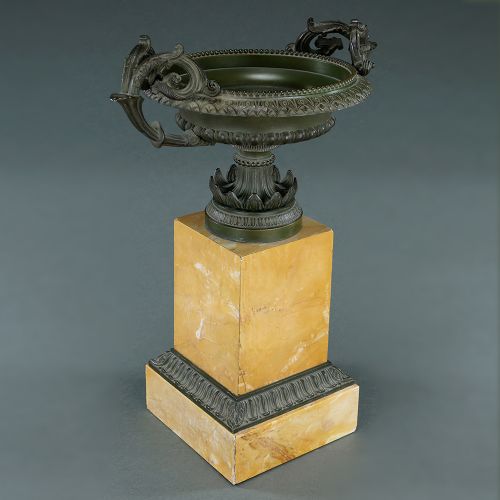
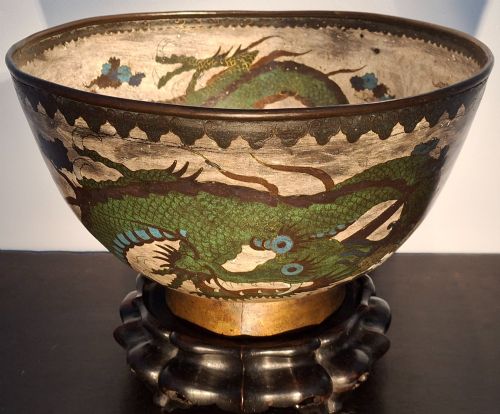
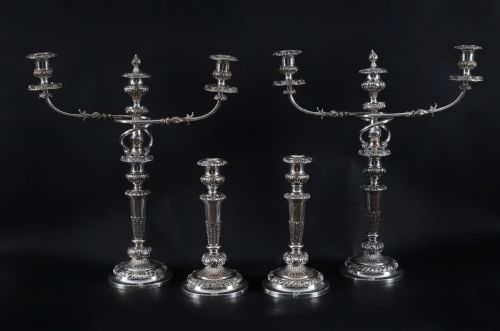
The pieces you meet on this page include heavy bronze Japanese bowls with cloisonne enamel, French bronze and Siena marble tazzas, George III silver plated candelabra suites, and copper pedestal bowls set with cabochons. Each object functions as a focal point, merging decorative utility with substantial weight and presence.
How they were made
Makers fashioned these centerpieces using cast and wrought metals including bronze, brass, copper, and chrome, often applying silver plate or gilt surfaces for added luminescence. Workshops integrated contrasting elements such as Siena marble bases or set Ruskin cabochons directly into the metalwork.
Japanese pieces utilise detailed cloisonne enamel work upon metal bodies, featuring wirework cells filled with coloured enamels to depict dragons, birds, and peonies. British and European pieces rely on heavy casting, plating, and hand-finishing techniques to achieve their monumental scale.
Large Metal Centerpiece Retail Price Guide 2026
Typical asking prices for large metal centerpiece among the pieces listed under this phrase on Sellingantiques today, from the lower quarter to the upper quarter. They describe what is for sale here now, not the wider market.
Several heavy bronze bowls weigh over four kilograms, ensuring diners had to navigate around some serious metal on the table.
What varies in quality
Quality reveals itself through the thickness of the metal casting, the weight of the piece, and the precision of the hand-finishing. Heavy bronzes and substantial silver-plated copper demonstrate superior substance compared to lighter, thinner alternatives.
Detail work separates standard production from exceptional examples, seen in the intricacy of cloisonne enamel wirework, the richness of the gilding, and the integration of materials like Siena marble or decorative cabochons.
The Large Metal Centerpiece Glossary
- Tazza
- A shallow ornamental bowl on a pedestal foot, frequently utilised as a centerpiece on nineteenth-century tables. These items often combine bronze with marble bases.
- Cloisonne enamel
- A technique where fine metal wires are soldered to a metal base to create cells, which are then filled with enamel paste and fired. This method produces intricate pictorial designs on bowls and vases.
- Candelabra
- A branched candlestick holder designed to support multiple candles, often forming part of an elaborate dining table service. Grand examples appear in silver plate or old Sheffield plate.
- Cabochon
- A gemstone or piece of glass polished rather than faceted, frequently set as a decorative accent into Arts and Crafts copper metalwork. They add a focal point of colour to pedestals and bowls.
- Comport
- A shallow dish or bowl elevated on a stem, utilised for serving fruit or sweets at formal meals. Modernist and Art Deco versions appear in chrome and plated metals.
Large Metal Centerpiece: Frequently Asked Questions
How were large metal centerpieces used?
These pieces occupied the middle of large dining tables during formal meals, holding fruit, flowers, or sweetmeats, or serving as standalone decorative objects.
Hosts also placed them on sideboards and pedestals to display wealth, artistic taste, and craftsmanship to dinner guests.
How do I clean a metal centerpiece?
Dust the surface regularly with a soft, dry cloth to prevent the accumulation of particles in crevices and enamel work.
Avoid harsh chemical dips, especially on silver-plated, gilt, or cloisonne items, consulting a specialist for appropriate conservation methods.
How do I date a bronze centerpiece?
Examine the casting method, the style of decoration, and any associated patination to narrow down the era of production.
Compare the aesthetic markers, such as Art Nouveau curves or Meiji period cloisonne motifs, against known historical periods.
Can I use a antique bowl for food?
Many silver-plated and copper bowls originally held fruit or sweetmeats during nineteenth-century dining.
Modern usage requires caution regarding silver plate wear or the stability of historic metals, making dry decorative display the safer choice.