



Large Hanging Chandelier
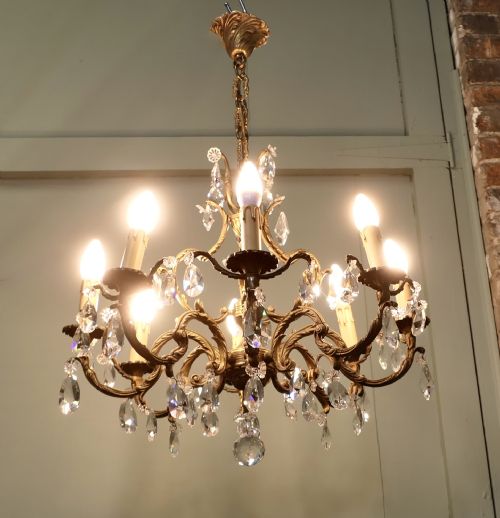
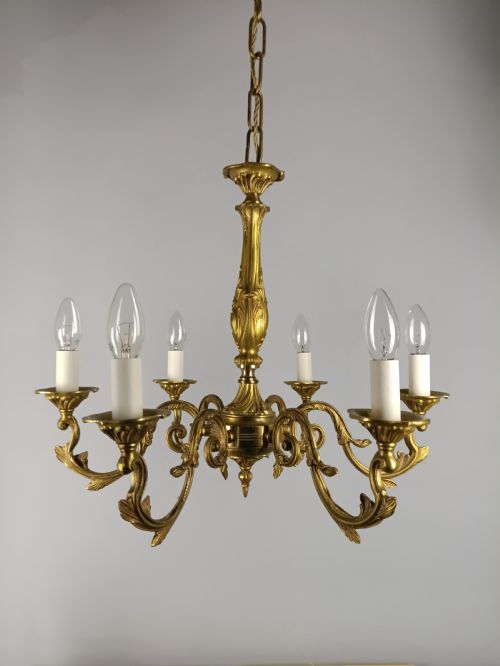
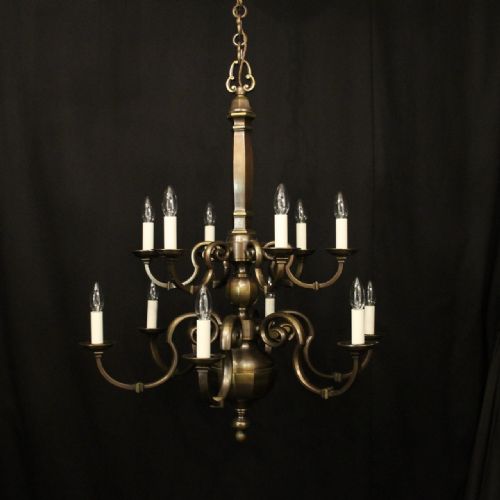
A large hanging chandelier dominates a room by scale and presence, casting light through tiered glass drops and heavy metal frames.
Large Hanging Chandelier
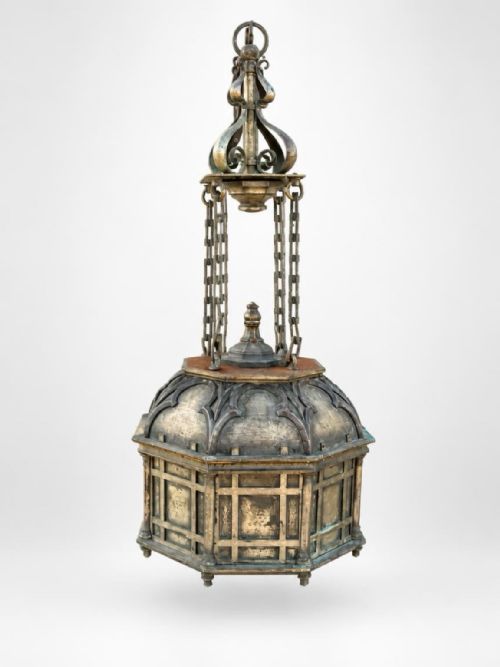
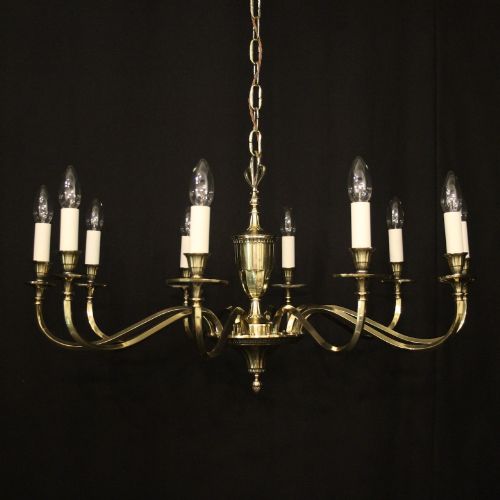
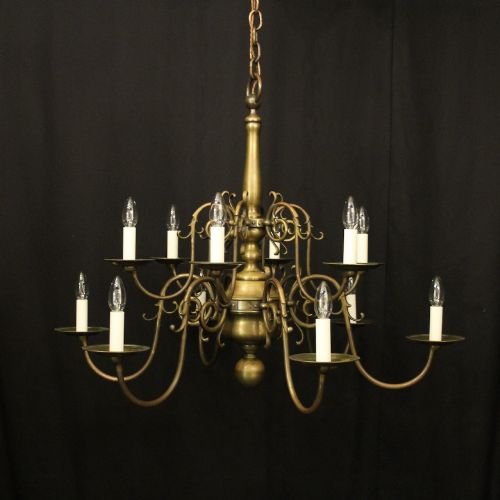
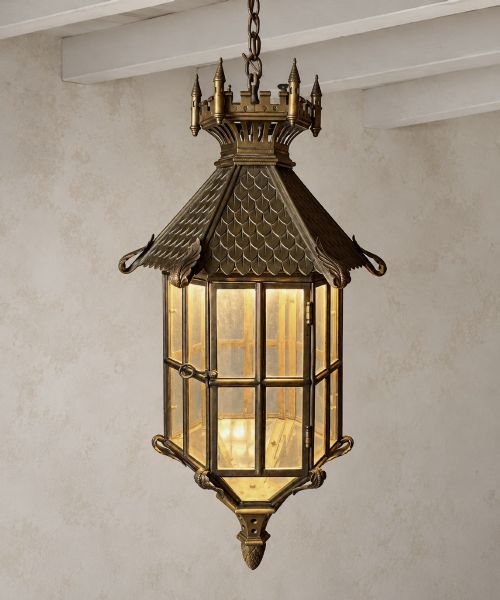
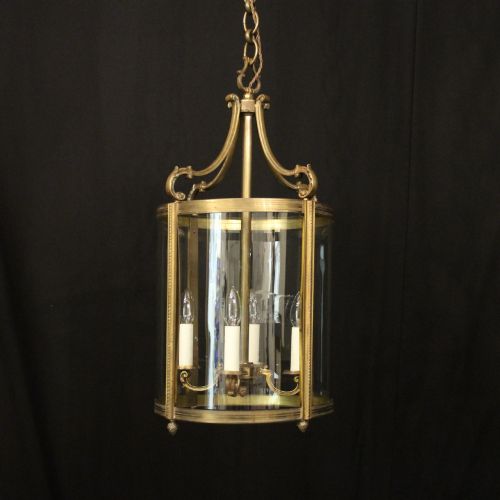
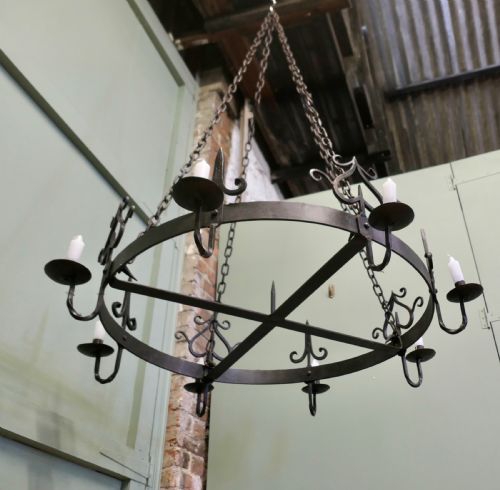
A large hanging chandelier is a commanding overhead light fixture designed for high ceilings and generous spaces, appearing here in forms ranging from multi-branch candelabras to enclosed hall lanterns. When searching for a large hanging chandelier, buyers encounter grand centrepieces that define a room's architecture.
The selections span the nineteenth century through the 1930s, encompassing Victorian, Arts and Crafts, and elaborate French styles such as Rococo Revival, Louis XVI, and Gothic. French examples dominate the offerings, often taking the form of glazed bronze or brass lanterns and multi-light crystal fixtures.
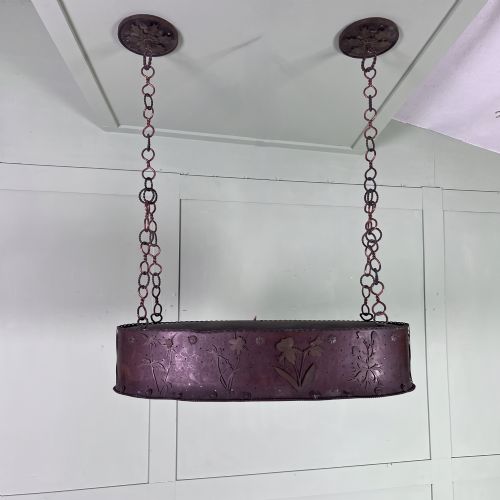
Beyond standard chandeliers, the category includes pendant lights, ceiling lights, and substantial hall lanterns suited for entrance halls and principal reception rooms. These fixtures utilise robust suspension systems to support heavy assemblies of metal and glass.
How they were made
Makers constructed these fixtures using cast metals including brass, bronze, gilt bronze, gilt brass, and steel, often pairing them with wrought iron for structural support. These heavy metals provide the necessary load-bearing framework for complex multi-arm designs and enclosed lantern cases.
Glass and crystal form the decorative counterpoint to the metal frames, incorporating cut glass drops, crystal lustres, and bevelled glass panels. Artisans shaped these transparent elements to refract light from multiple internal bulbs or original candle sockets.
Large Hanging Chandelier Retail Price Guide 2026
Typical asking prices for large hanging chandelier among the pieces listed under this phrase on Sellingantiques today, from the lower quarter to the upper quarter. They describe what is for sale here now, not the wider market.
Several lanterns retain evidence of once being lit by candles before enduring later nineteenth-century electrification.
What varies in quality
Quality separates fixtures by the crispness of metal casting and the depth of surface gilding, where finely chased bronze outperforms plain pressed brass. The complexity of the arm configuration and the integration of bevelled glass or hand-cut crystal drops further distinguish superior examples.
The architectural ambition of the design, such as castellated crowns or intricate Gothic tracery, dictates the upper tier of the range. Simpler utilitarian lanterns represent the more restrained end of the period output.
The Large Hanging Chandelier Glossary
- Hall lantern
- An enclosed hanging light fixture, typically glazed with glass panels, designed specifically for corridors and entrance vestibules.
- Crystal lustre
- A cut glass pendant or drop hung from a chandelier to refract light across the room. These elements dangle from the arms and crown.
- Ormolu
- Gilded bronze applied to decorative mounts and chandelier components, providing a rich golden finish that resists tarnish.
- Castellated crown
- An architectural upper coronet featuring battlements, seen on Gothic Revival lighting fixtures.
- Bevelled glass
- Glass panes with angled edges fitted into metal lantern frames to create faceted light reflections.
Large Hanging Chandelier: Frequently Asked Questions
How do I hang a large chandelier safely?
These heavy metal and glass fixtures require secure joist attachment and proper ceiling rose reinforcement to bear the substantial weight of bronze and crystal components.
Professional installation is essential to manage the electrical wiring safely through the original suspension chains and rods.
What rooms suit a large hanging chandelier?
High-ceilinged entrance halls, principal dining rooms, and expansive stairwells provide the necessary vertical clearance and spatial proportion for these oversized fixtures.
Their scale overwhelms modest spaces, making them best reserved for rooms with generous architectural dimensions.
How do I clean crystal lustres?
Remove dust with a soft brush before wiping each glass drop individually with a mild soapy solution and drying immediately with a lint-free cloth.
Leaving the drops attached while cleaning prevents damage to the delicate wire loops securing them to the bronze frame.
How do I identify French revival styles?
French styles display distinct decorative vocabularies, such as the asymmetrical curves of Rococo or the formal symmetry and classical motifs of Louis XVI and Neoclassical designs.
Gilt bronze, ornate casting, and crystal drops frequently signal the influence of Parisian workshops from the nineteenth and early twentieth centuries.