

Large Glass Pendant
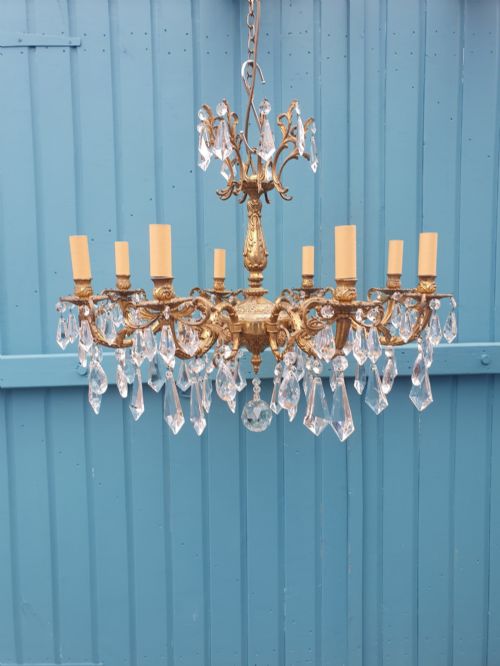
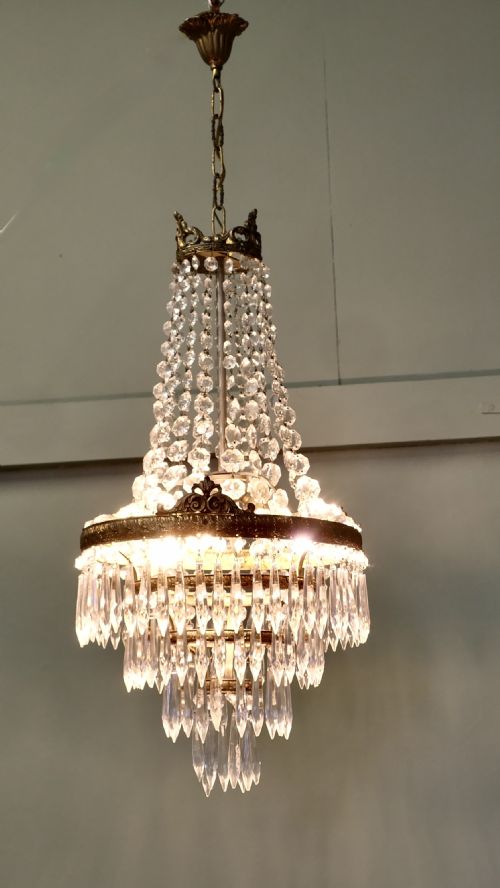
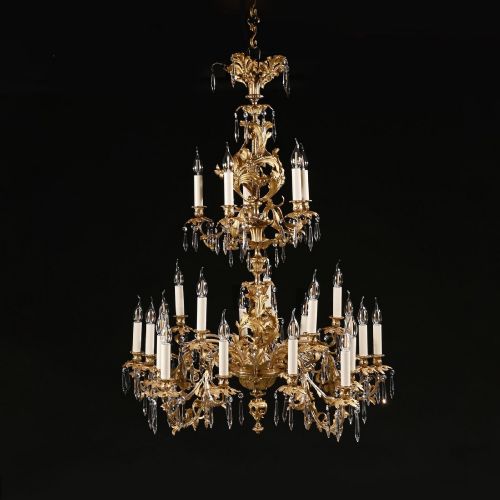
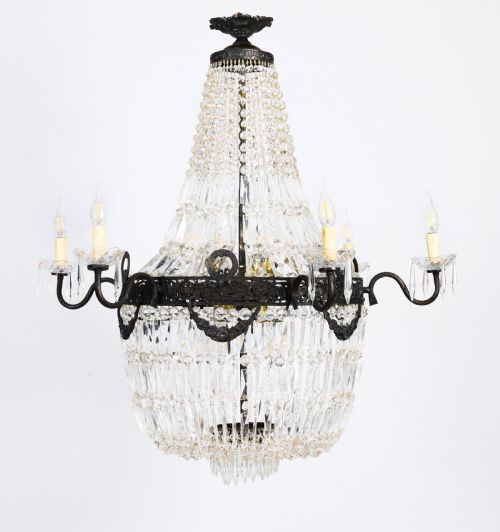
A large glass pendant hangs with presence, casting light downward through crystal, cut glass, and brass.
Large Glass Pendant
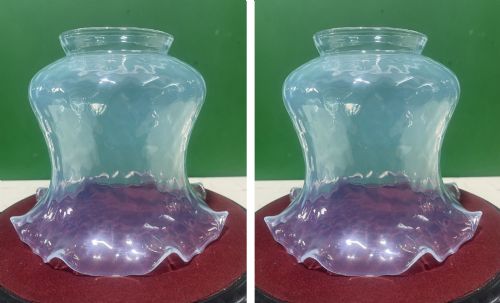
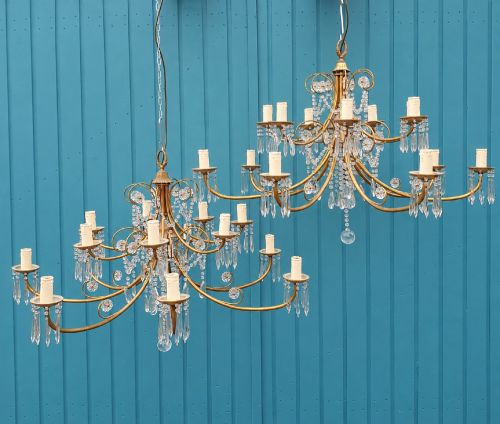
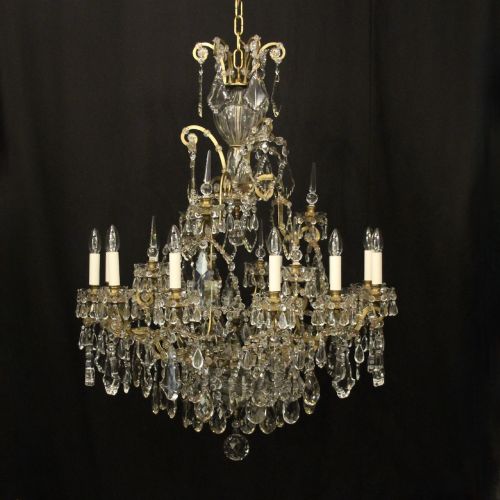
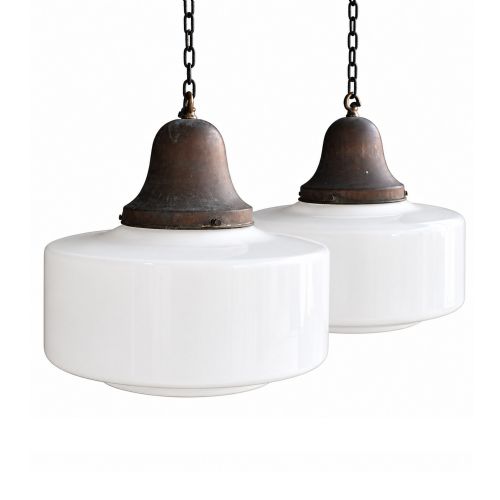
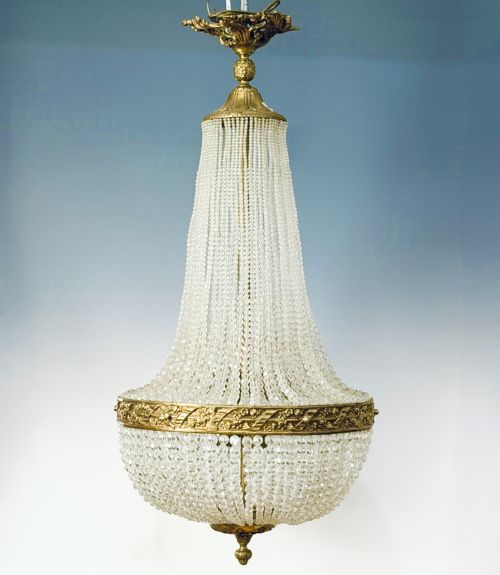
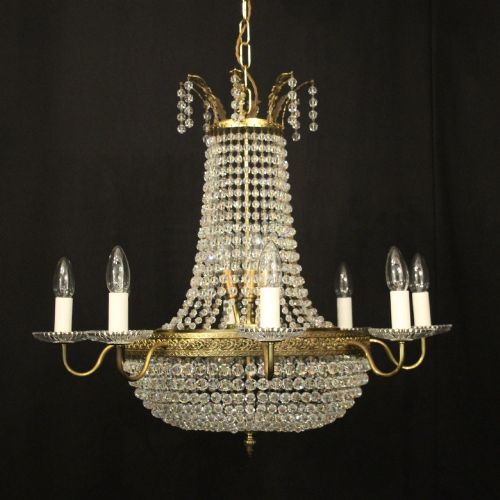
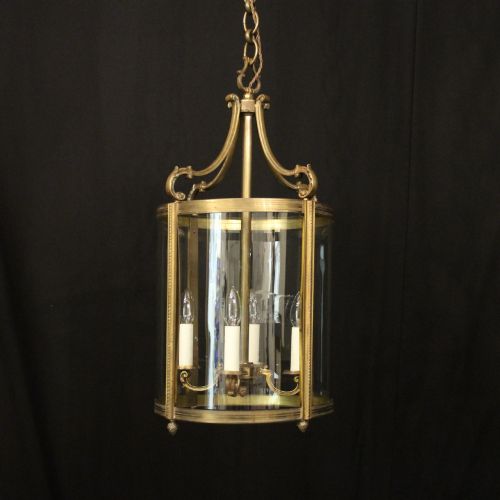
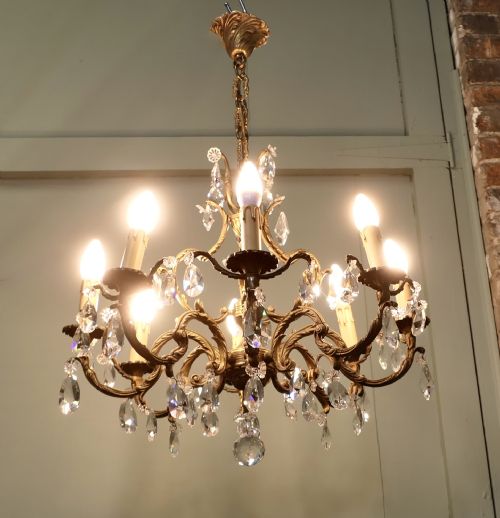
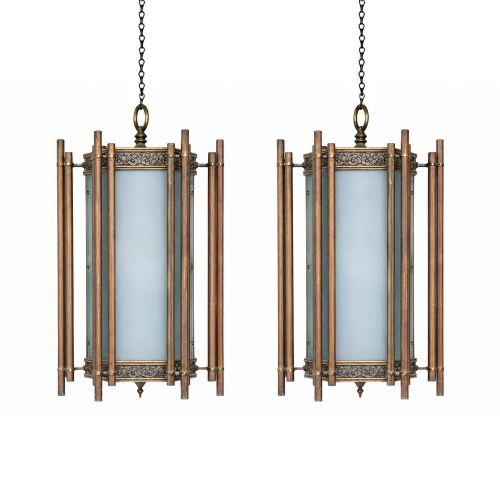
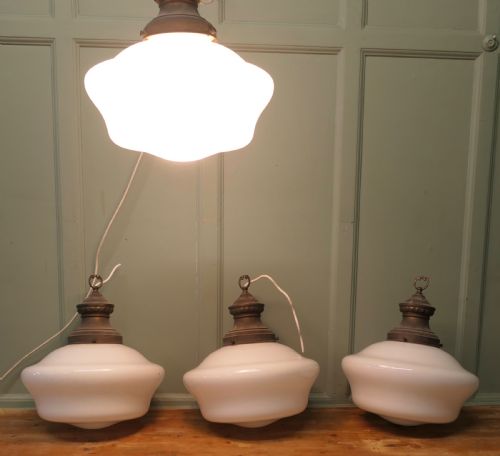
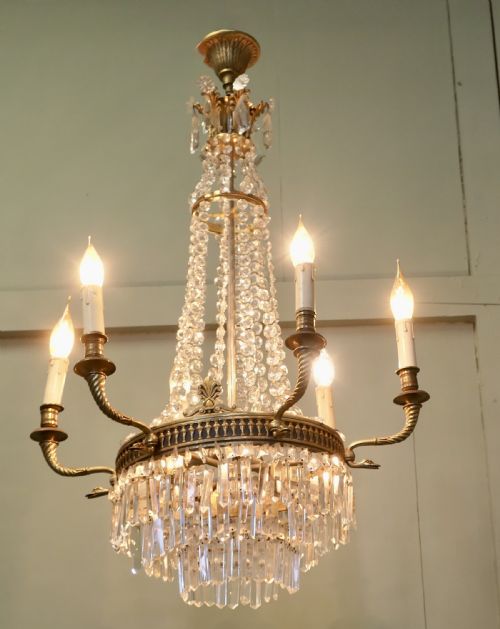
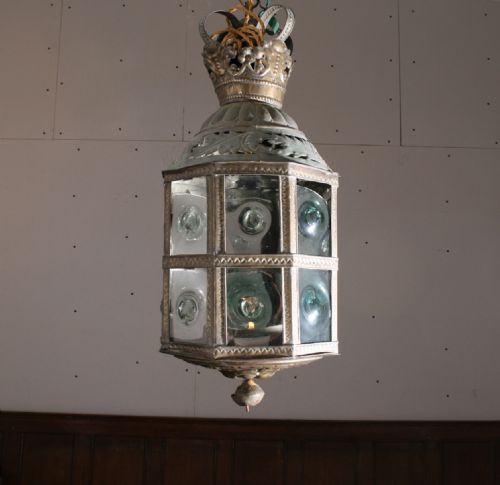
A large glass pendant suspended from a ceiling brings scale and illumination to a room, drawing the eye upward while casting light through generous proportions of glass and crystal. When seeking a large glass pendant, buyers encounter pieces spanning the nineteenth century through the art deco and mid-century periods, taking forms from simple conical or moonstone shades to elaborate brass-framed hall lanterns and multi-armed chandeliers. French Empire styles, industrial fixtures, and Edwardian designs populate this category, each offering distinct architectural weight.
The materials paired with these glass bodies include brass, copper, steel, and gilt bronze, which form the structural frames and hanging mounts. Many examples incorporate cut crystal lustres, bevelled panes, or hand-blown bulls-eye glass that refracts the bulb's output across walls and ceilings. Whether found as a single monumental lantern or a matched pair of church lights, these fixtures serve as primary focal points in high-ceilinged spaces.
How they were made
Makers constructed these fixtures using cast or spun brass, bronze, and copper frames to house panels of heavy glass, opaline, or moonstone. Metal components were joined by screws or soldered joints, supporting the considerable weight of the glass shades and crystal drops.
Glass elements were mouth-blown into moulds, hand-cut, or pressed to achieve patterns like optical ribs or convex curves. Lanterns relied on hinged doors and brass glazing bars to secure bevelled or bullseye glass panes within the metal framework.
Large Glass Pendant Retail Price Guide 2026
Typical asking prices for large glass pendant among the pieces listed under this phrase on Sellingantiques today, from the lower quarter to the upper quarter. They describe what is for sale here now, not the wider market.
Listings feature periods from the Victorian era through the 1930s, utilising brass, copper, crystal, and opaline glass.
What varies in quality
The caliber of a large glass pendant rests upon the depth of the metalwork, the clarity of the glass, and the integrity of the period mounting hardware. Heavier gauge brass and bronze castings with crisp chasing command greater regard than lighter pressed metal alternatives.
Hand-blown glass containing natural bubbles and imperfections shows superior age and character compared to uniform modern replacements. Complete sets of matching crystal lustres and original suspension chains further distinguish an exceptional survivor from a composite assembly.
The Large Glass Pendant Glossary
- Plafonnier
- A ceiling-mounted lighting fixture that sits close to the surface rather than hanging on a long chain or cord. These flat or shallow bowl forms suit rooms with restricted headroom.
- Holophane
- A type of prismatic glass designed to direct and diffuse light efficiently while reducing glare. This ribbed glass became popular in commercial and industrial settings during the early twentieth century.
- Tent and waterfall
- A chandelier configuration featuring an upper triangular tent of glass beads above a cascading shower of crystal drops. This style originated in the eighteenth century and persisted through later revival periods.
- Moonstone glass
- An opaque, milky white glass that diffuses light softly without harsh hotspots. It was frequently utilised for pharmacy pendants and large single-bulb hanging lights.
- Bulls-eye glass
- A thick circular glass pane retaining the central pontil mark where the glassblower's iron was detached. These panes add tactile texture and distortion when set into lantern doors.
Large Glass Pendant: Frequently Asked Questions
Where should I hang a large glass pendant?
These fixtures suit high ceilings in entrance halls, stairwells, and grand reception rooms where their scale can be appreciated. Ensure there is adequate clearance beneath the lowest point for foot traffic.
In dining rooms or over large tables, hanging the pendant lower creates an intimate pool of light while serving as a sculptural centrepiece.
How do I clean an antique glass pendant?
Dust the glass and metal components regularly with a soft dry cloth to prevent grime accumulation. For a deeper clean, remove detachable crystal drops and wash them gently in lukewarm soapy water before drying thoroughly.
Avoid harsh chemical cleaners on brass or bronze frames to preserve their natural patina and historical surface finish.
Are these pendants wired for modern electricity?
Many period fixtures retain older wiring or have been partially updated, but professional rewiring to current safety standards is recommended before installation. A qualified electrician can adapt the internal lampholders to accept modern bulbs while retaining the original exterior brass or bronze components.
LED Edison-style bulbs work well within transparent or opaline shades, providing warm illumination without excessive heat.
How do I identify the period of a pendant?
Examine the construction methods, screw types, and metal composition to help determine the era of manufacture. Edwardian and Victorian pieces often display heavier cast brass and hand-finished details, whereas 1920s and 1930s examples lean towards industrial steel or streamlined art deco forms.
Matching the glass characteristics, such as the opalescence of moonstone or the specific cut of crystal lustres, against known stylistic timelines aids accurate dating.