
Large Glass Mirror
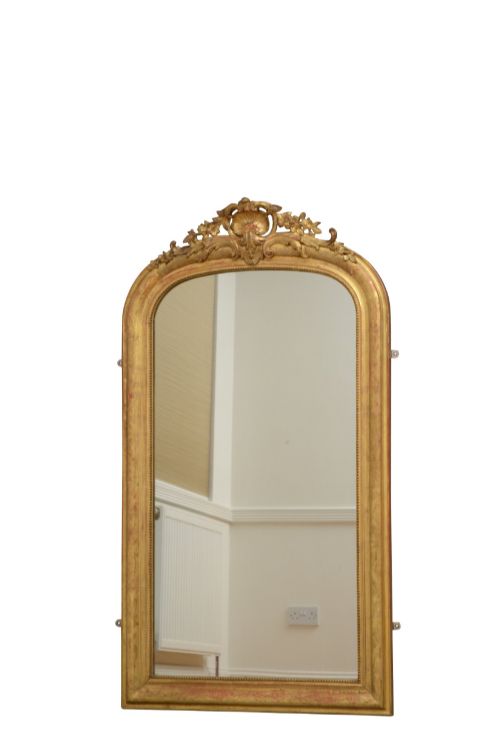
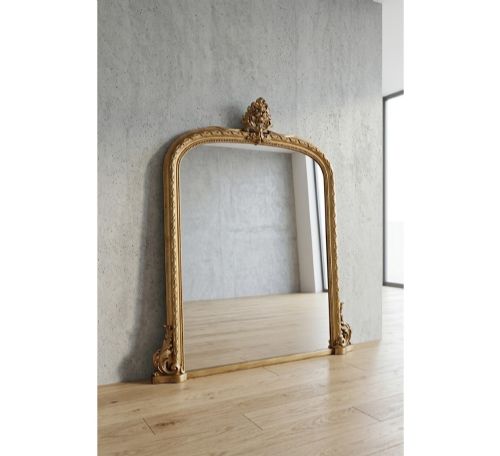
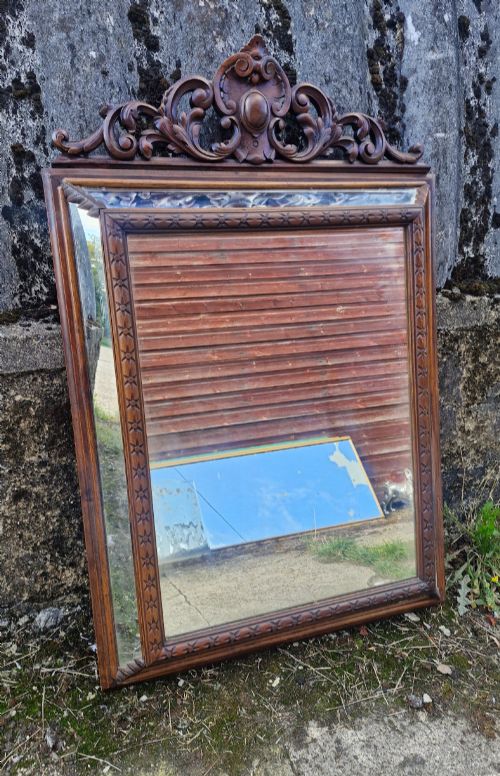
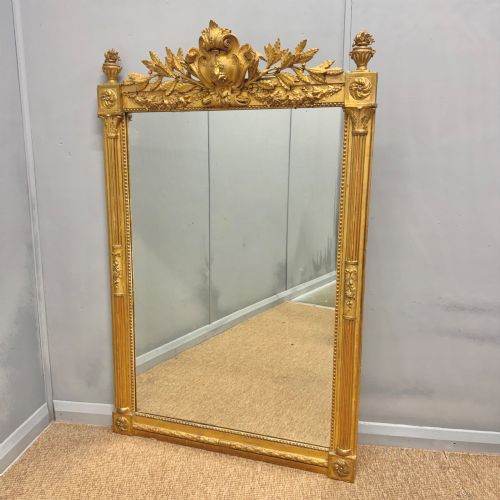
A large glass mirror brings scale and reflected light into a room, spanning grand Regency pier glasses and ornate Victorian overmantels.
Large Glass Mirror
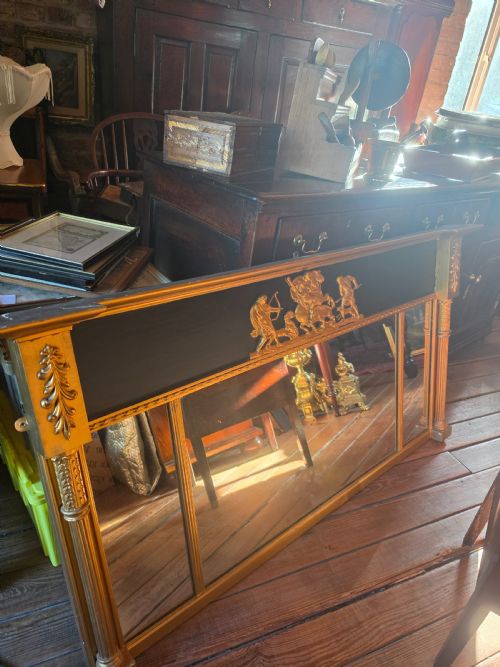
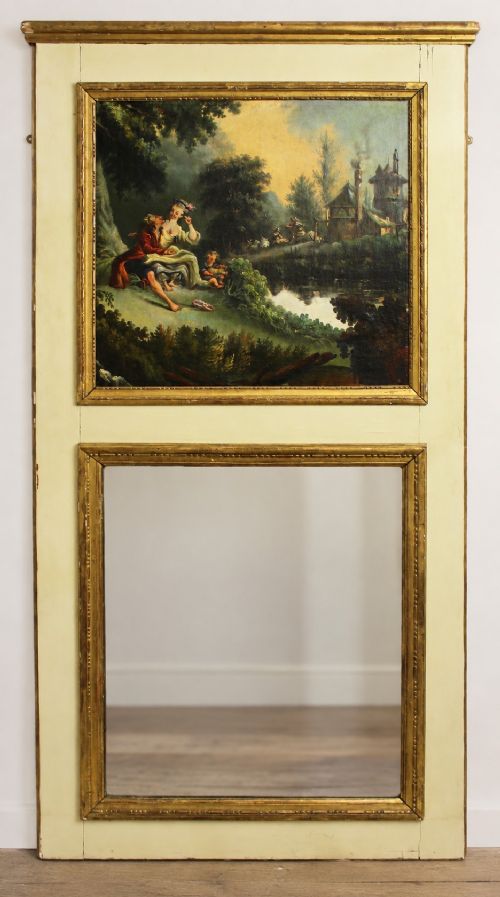
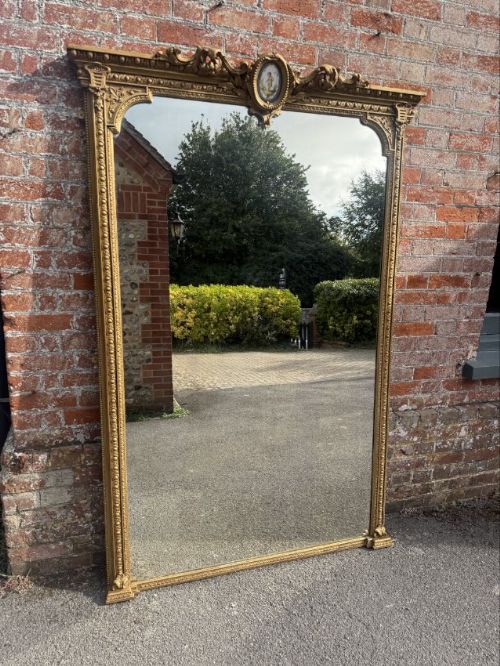
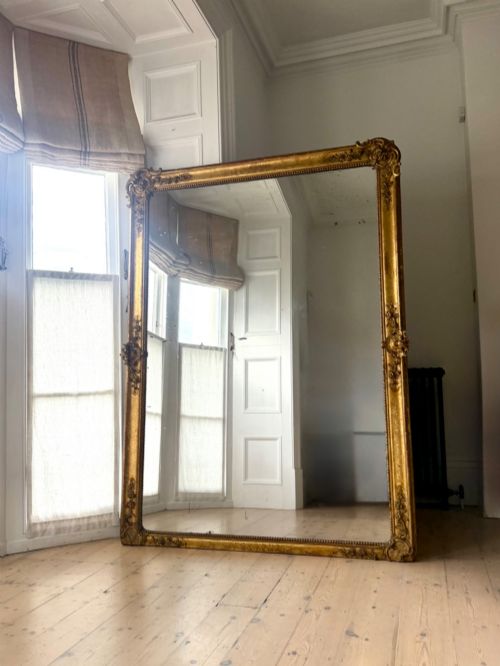
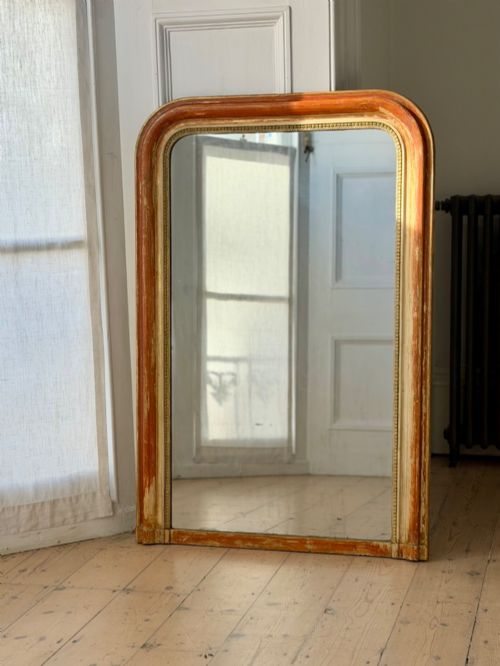
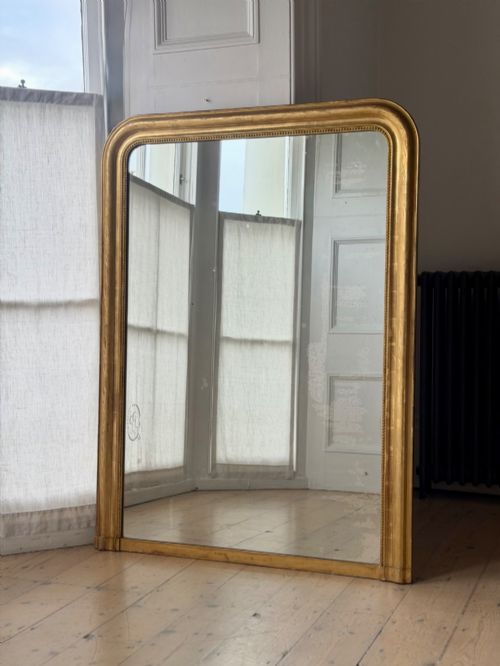
When you search for a large glass mirror, you encounter substantial looking-glasses designed to anchor a room, often hung above fireplaces or positioned between windows. The examples found here span the nineteenth century, including Victorian, Regency, and Napoleon III periods, alongside French and English regional workshops.
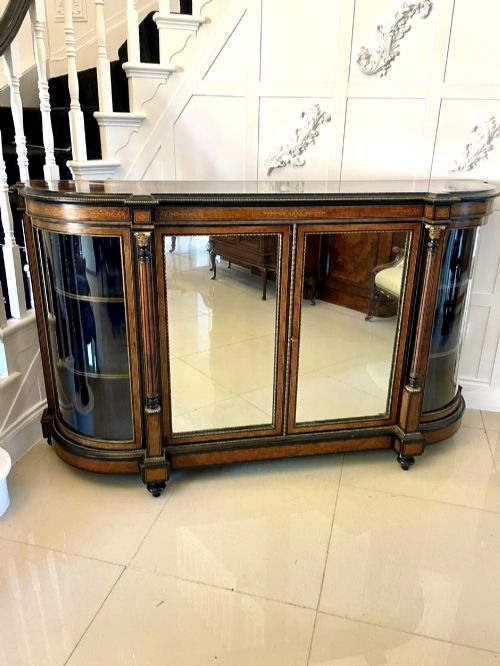
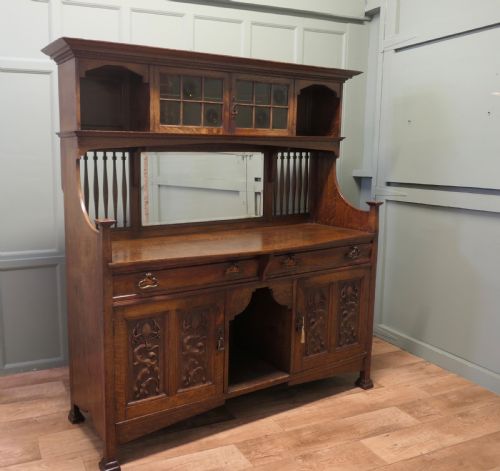
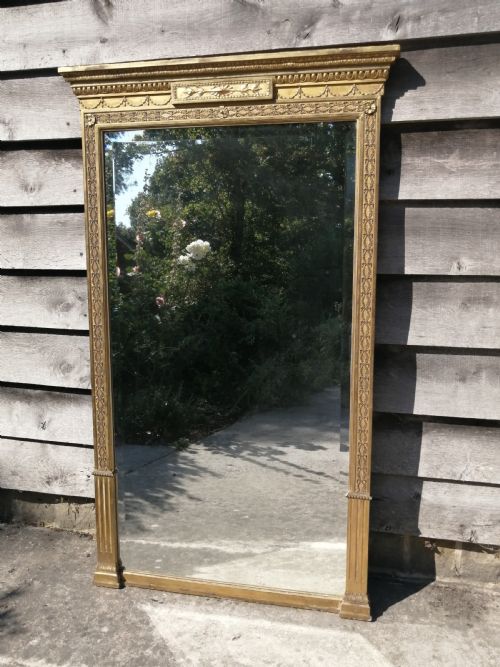
The primary forms on this page include overmantel mirrors built for chimney breasts, tall leaner mirrors, and architectural pier mirrors. Wall-mounted styles dominate, supplemented by floor-standing cheval mirrors and occasional sideboards incorporating mirrored backs.
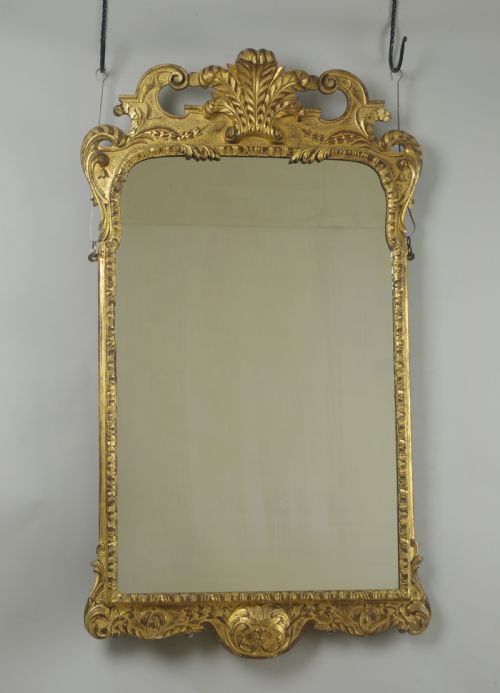
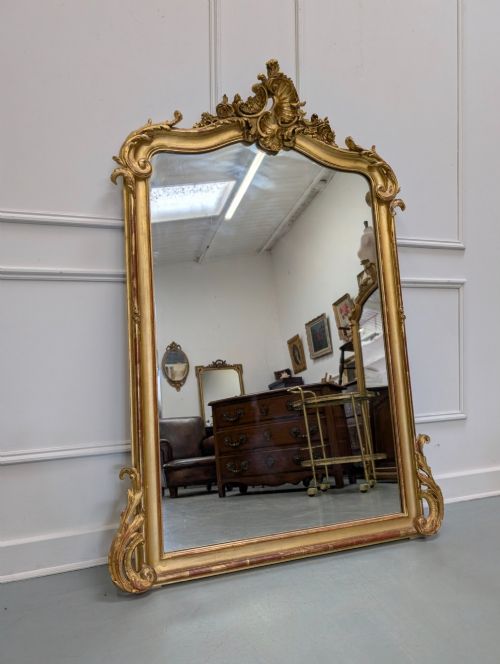
Origins divide broadly between English carved wood and gesso pieces and French giltwood designs, ranging from restrained Georgian proportions to elaborate Rococo Revival crests.
How they were made
Frames rely on timber foundations such as oak, mahogany, or carved pine, which provide structural integrity for substantial glass plates. Many surfaces receive a preparation of gesso before being water gilt with gold leaf or painted.
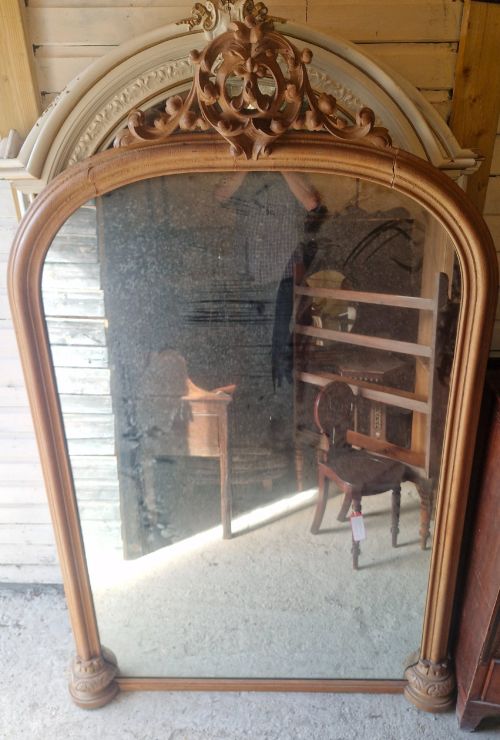
Early plates often utilise mercury glass, yielding a distinctive mottled reflection due to the silvering process employed before modern chemical methods standardisation. Elaborate crests and rope-twist borders are carved directly into the wood or moulded in composition ornament applied to the frame.
Some nineteenth-century cheval mirrors double as subtle dressing valets, incorporating hidden pivots for adjusting angles.
What varies in quality
The distinction between ordinary and exceptional pieces rests upon the crispness of the carving and the depth of the gilding. Hand-carved wooden foliage and pierced crests demonstrate superior craftsmanship compared to mass-produced composition mouldings.
The integrity of the original mirror plate influences character, with hand-silvered glass retaining soft, undulating reflections that distinguish period examples from modern replacements.
Arsène Rochette·Shapland and Petter
The Large Glass Mirror Glossary
- Overmantel mirror
- A wide looking-glass specifically designed to sit on the mantelpiece above a fireplace. These frequently incorporate arched tops and elaborate gilt crests.
- Pier mirror
- A tall, narrow glass made to hang on the wall space between two windows. They often feature painted or giltwood frames with matching console tables.
- Cheval mirror
- A full-length floor-standing looking-glass hung on a vertical frame with pivots, allowing the glass to tilt. They commonly appear in mahogany dating from the nineteenth century.
- Gesso
- A plaster-like mixture applied to wooden frames as a smooth base for gilding or painting. It accepts fine detail when carved or stamped.
- Mercury glass
- A silvered glass type produced using an amalgam of tin and mercury. It creates characteristic dark spots and a warm, uneven reflection.
Large Glass Mirror: Frequently Asked Questions
How do I hang a heavy overmantel mirror?
Substantial nineteenth-century frames require professional wall fixings secured directly into masonry or structural studs rather than plaster alone. Distributing the weight across heavy-duty brackets ensures the piece remains secure.
Because these mirrors often project forward from the wall, checking the balance point prevents undue strain on the hanging loops.
What is mercury glass?
Mercury glass refers to antique mirror plates silvered using a tin-mercury amalgam before twentieth-century chemical processes took over. This method produces a distinct mottled appearance and a softer reflection than modern glass.
Many collectors prize this characteristic ageing as proof of period authenticity.
How do I tell Regency from Victorian mirrors?
Regency mirrors typically display neoclassical restraint, incorporating architectural lines, reeded columns, and gilt balls. Victorian examples lean towards heavier ornamentation, featuring elaborate Rococo Revival scrolling and deep gesso moulding.
Proportions also shift, with Regency pieces favouring balanced pier glasses and Victorian production focusing on expansive overmantels.
Can I clean antique mirror plates?
Cleaning requires a soft, dry cloth to remove dust without disturbing vulnerable edges where the silvering has thinned. Moisture can seep behind the glass and accelerate degradation along the edges.
Harsh commercial cleaners should be avoided entirely to protect both the original plate and the surrounding giltwood.