

Large Fireside Chair
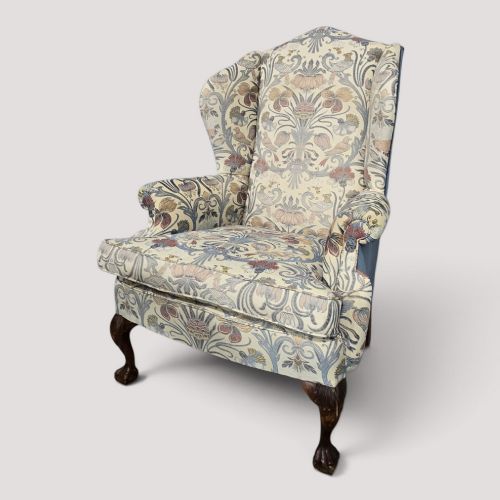
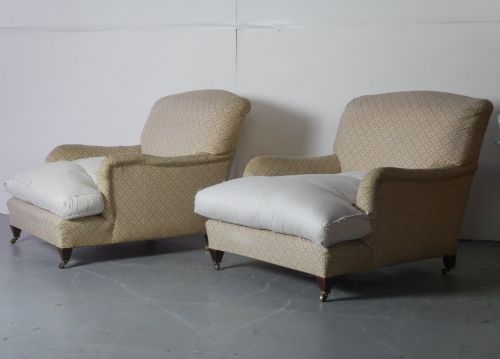
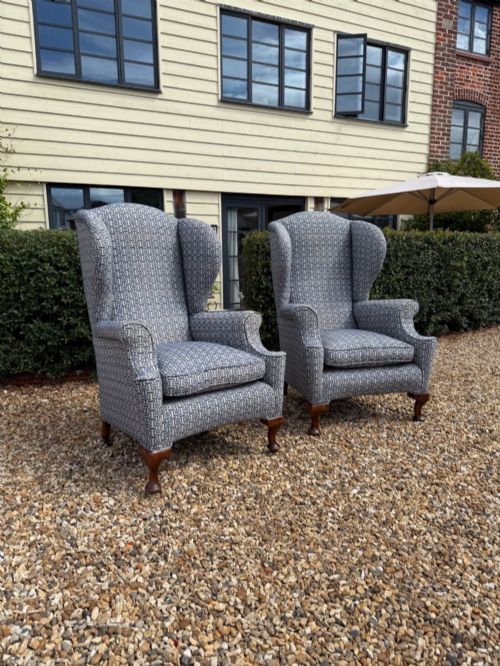
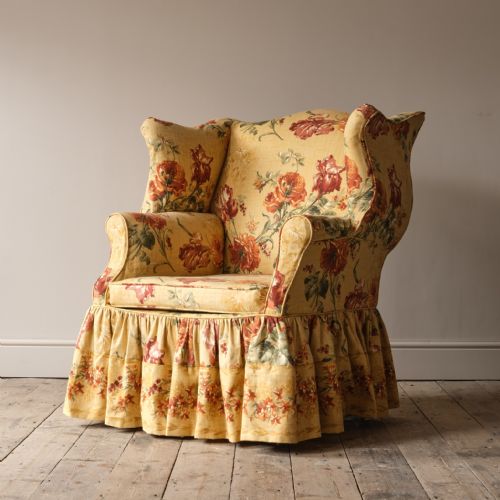
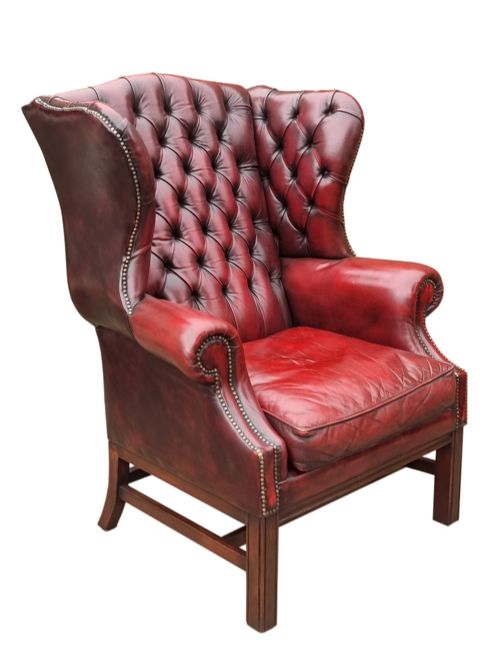
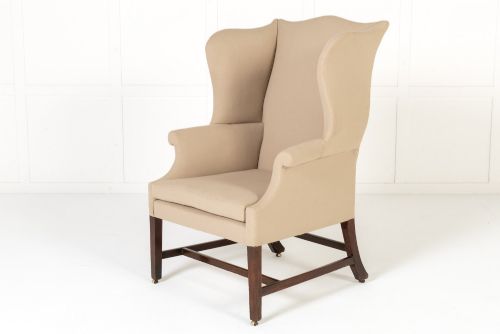
A large fireside chair anchors a room with deep seating and high wings designed to block draughts and trap heat from the hearth.
Large Fireside Chair
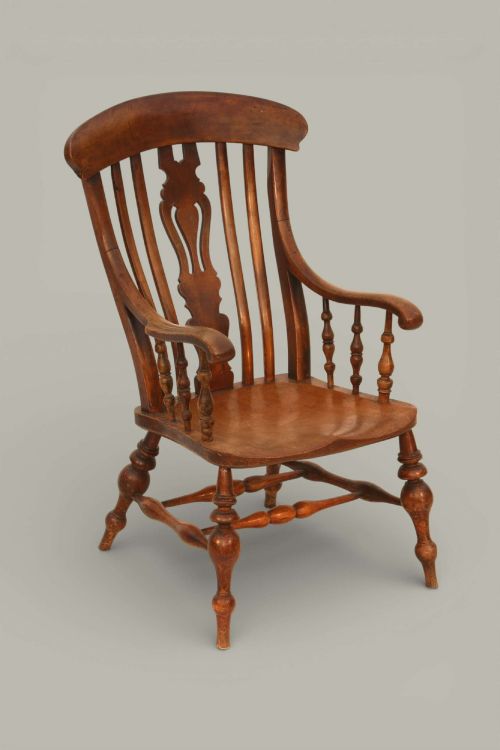
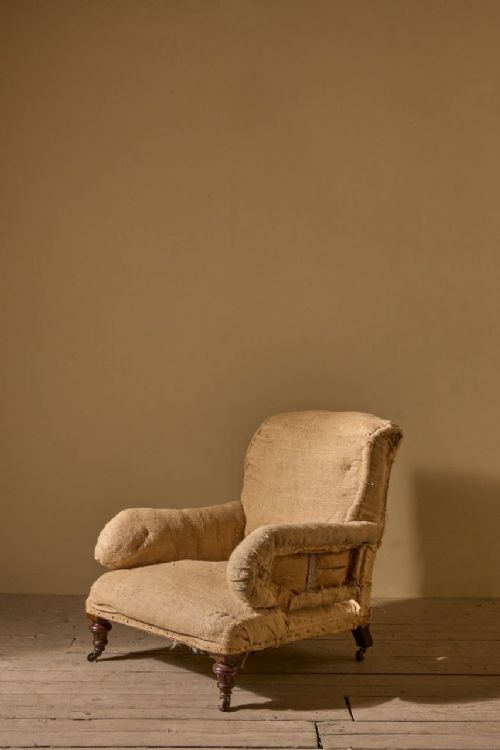
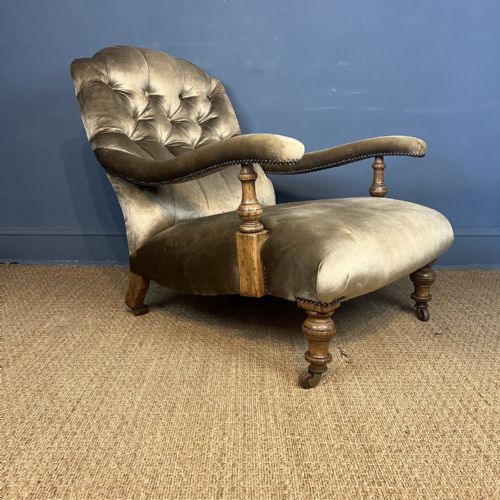
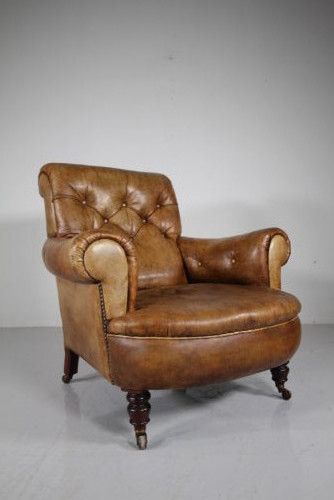
A large fireside chair offers generous proportions built for comfort, frequently taking the form of a high-backed wing armchair or a deep-seated country house model. These seating pieces appear across multiple eras, ranging from eighteenth-century George III mahogany designs to nineteenth-century Victorian walnut and oak examples, alongside early twentieth-century revivals.
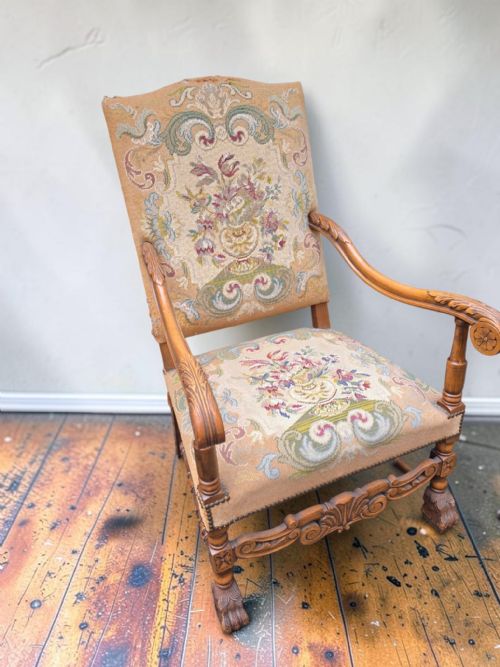
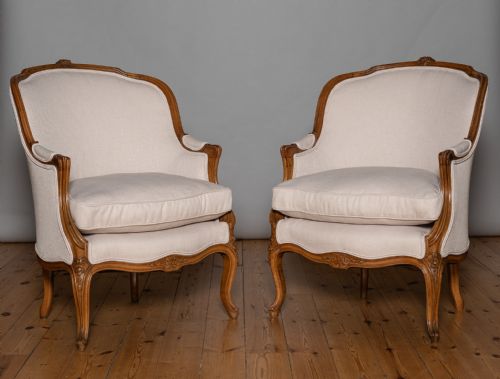
Buyers seeking this phrase encounter sturdy timber frames upholstered in materials such as leather, fabric, linen, and tapestry. The selection spans traditional English country house styles, George III adaptations, and French Louis XV carved walnut bergere forms.
The most common iterations on this page are nineteenth-century armchairs and eighteenth-century wing chairs framed in mahogany, oak, or walnut. These seating types combine substantial timber structure with upholstered support tailored for parlour and fireside placement.
How they were made
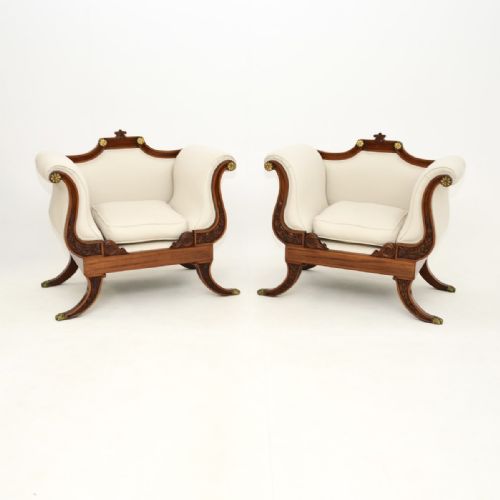
Frames rely on durable hardwoods like mahogany, oak, walnut, fruitwood, and elm, jointed to bear substantial weight and repeated use. Cabinet makers and joiners shaped these timbers into supportive structures, incorporating carved details or turned components such as barley twists.
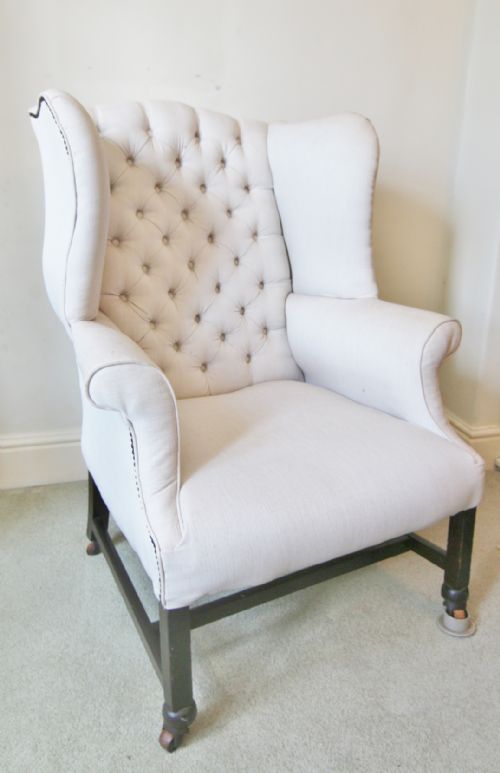
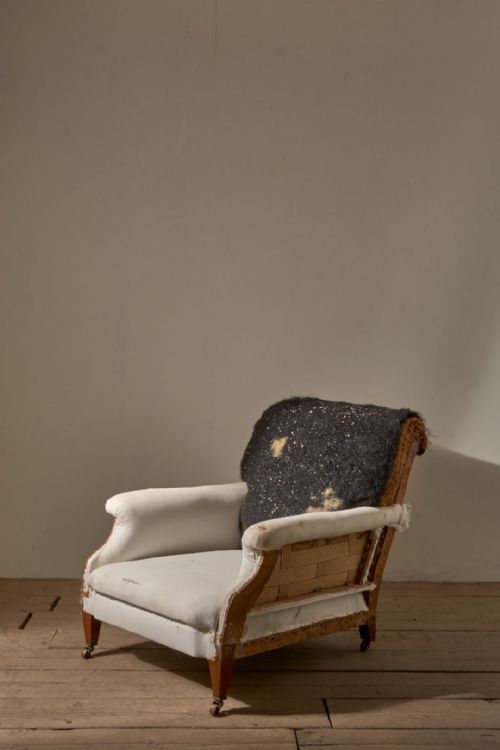
Upholstery techniques involve durable fabric, leather, linen, or tapestry secured over supportive interiors, occasionally incorporating button-backed detailing. Bergere chairs utilise woven cane panels alongside exposed wooden frameworks to balance solidity with lighter visual forms.
Large Fireside Chair Retail Price Guide 2026
Typical asking prices for large fireside chair among the pieces listed under this phrase on Sellingantiques today, from the lower quarter to the upper quarter. They describe what is for sale here now, not the wider market.
High wings were originally built to catch rogue sparks from the hearth and trap your personal pocket of warmth before central heating existed.
What varies in quality
The integrity of the timber frame and the precision of its joinery dictate the foundational grade of the piece. Timbers selected with rich grain patterns and executed with crisp carving separate finer Georgian and Victorian workshops from simpler utilitarian production.
The harmony between the original frame construction and the quality of its upholstery finish defines the overall standard. Pieces retaining well-executed recovering in appropriate materials like leather, tapestry, or linen sustain the character intended by the original cabinet makers.
Whytock and Reid
The Large Fireside Chair Glossary
- Wingback
- An armchair featuring flanking panels designed to shield the occupant from draughts. These extended sides directed heat from the hearth toward the sitter.
- Bergere
- An enclosed armchair with upholstered back and sides, frequently featuring exposed wooden framing and woven cane panels. This form originates from French design traditions.
- Slipper chair
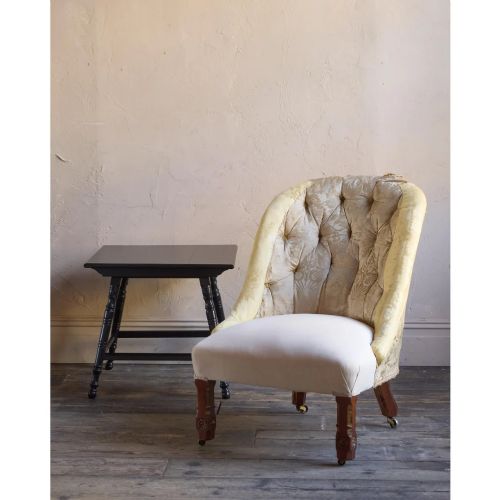
- A low-seated upholstered chair originally designed for bedrooms to assist with putting on footwear. These pieces feature compact frames with generous cushioning.
- Barley twist
- A type of turned wooden support resembling a twisted rope. This decorative joinery technique appears frequently on seventeenth and nineteenth-century furniture legs and arm supports.
Large Fireside Chair: Frequently Asked Questions
What defines a large fireside chair?
These seats are characterised by generous dimensions, deep seating areas, and often high upholstered backs or wings designed for comfort near a hearth.
They encompass various historical forms, from eighteenth-century George III wing chairs to nineteenth-century oak and walnut armchairs and twentieth-century country house seating.
How do I identify a George III chair?
George III pieces typically date from the mid to late eighteenth century, utilising quality mahogany timber and refined proportions.
Look for classical stylistic cues, sturdy frame construction, and traditional upholstery forms that reflect the cabinet-making standards of the period.
Where should I place an antique armchair?
These large seating pieces suit spacious living rooms, libraries, or studies where their substantial proportions can anchor the layout.
Positioning them near a fireplace or reading corner respects their original functional purpose while providing a focal point in the room.