



Large Copper Wash Basin
A large copper wash basin brings warmth and utility to any room, combining sturdy metalwork with centuries of practical domestic history.
Large Copper Wash Basin
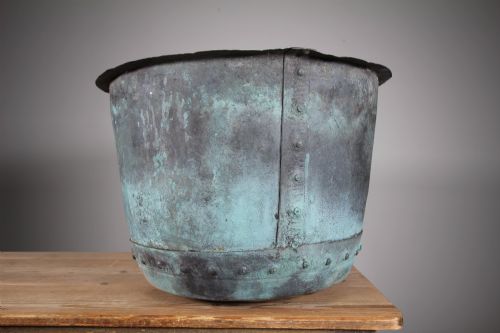
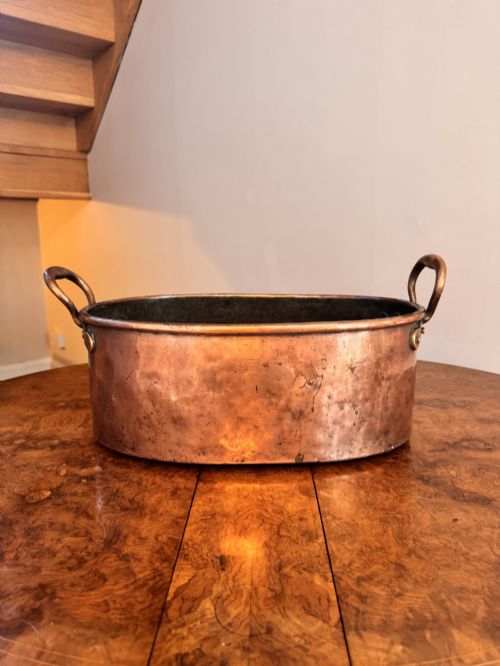
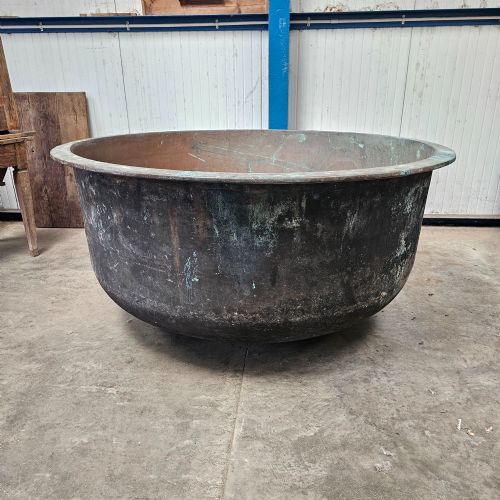
A large copper wash basin represents heavy-duty domestic and agricultural vessels originating primarily from the nineteenth century, including Victorian examples alongside Georgian pieces. Buyers seeking a large copper wash basin encounter substantial utilitarian items such as copper pots, cooking vessels, cheese vats, cream setting pans, and grain measures.
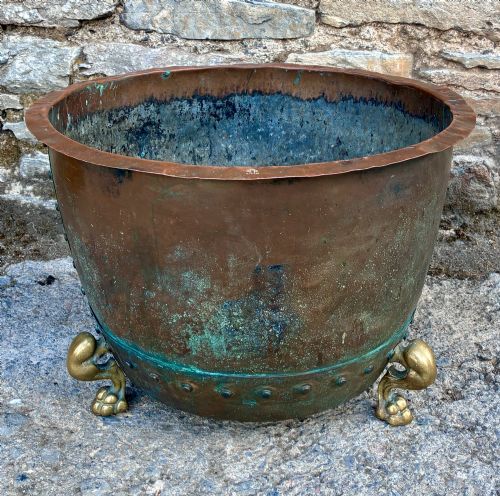
Many of these robust pieces transition naturally into contemporary homes as garden planters, log bins, or decorative vessels. The selections span various regional origins and styles, encompassing rustic farmhouse designs, French provincial vessels, and Japanese cloisonne enamel bowls.
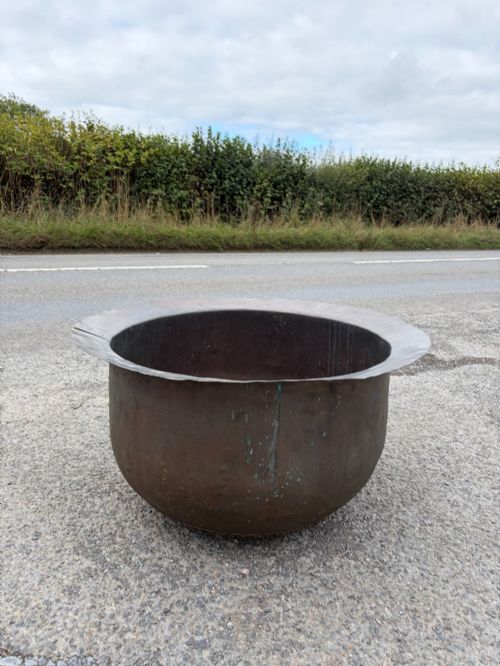
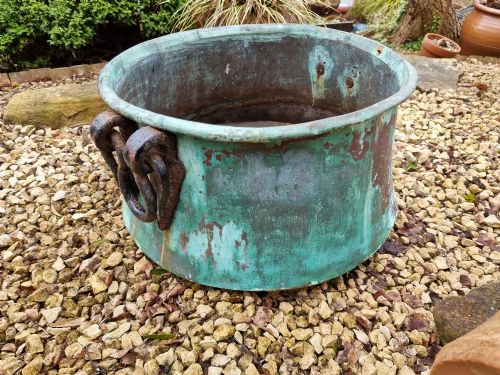
The most common forms on this page include nineteenth-century pots, cauldrons, and large bowls, frequently showing weathered surfaces or verdigris finishes. These hard-wearing containers reflect decades of functional service before finding new life in interior and exterior settings.
Materials and construction
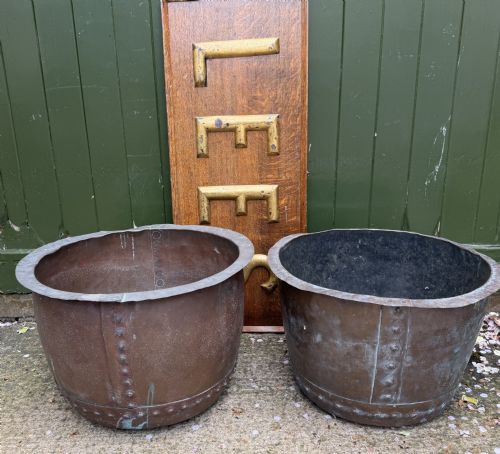
Construction relies heavily on sheet copper, often joined with visible rivets to ensure structural strength under heavy loads. Iron and wrought iron frequently appear in handles, rims, or associated cauldrons, while brass and tin components add functional detail.
Surface characteristics develop naturally through age and use, yielding patinas that range from polished warmth to weathered verdigris finishes. Certain specialised forms incorporate steel elements or decorative enamel work, reflecting the diverse manufacturing traditions of the period.
Large Copper Wash Basin Retail Price Guide 2026
Typical asking prices for large copper wash basin among the pieces listed under this phrase on Sellingantiques today, from the lower quarter to the upper quarter. They describe what is for sale here now, not the wider market.
Current listings feature materials including copper, iron, brass, wrought iron, tin, cast iron, and cloisonne enamel across nineteenth-century and Victorian periods.
Assessing quality and character
Quality in these heavy vessels lies in the thickness of the metal sheet and the integrity of the riveted joints. Substantial weight and solid construction separate robust utilitarian survivors from lighter decorative reproductions.
The character of the surface patina heavily influences appeal, with stable verdigris and undisturbed historic wear marking superior examples. Well-formed shapes, clear maker intent in utility, and honest signs of past domestic labour distinguish the finest pieces.
The Large Copper Wash Basin Glossary
- Verdigris
- A green patina formed naturally on copper through atmospheric exposure over time. This chemical layer protects the underlying metal and indicates genuine age.
- Patina
- The surface sheen and coloration acquired by copper through decades of handling, cleaning, and environmental exposure. A good patina demonstrates authenticity and depth.
- Cream setting pan
- A wide, shallow vessel historically utilised in dairies to let cream rise to the surface of milk. These pans offer generous proportions and broad rims.
- Cheese vat
- A massive vessel designed for the commercial or agricultural production of cheese. These industrial pieces provide exceptional scale and depth.
- Grain measure
- A standardised container utilised for bulk dry goods in agricultural trade. These marked vessels combine robust utility with precise volumetric form.
Large Copper Wash Basin: Frequently Asked Questions
How do I clean a copper basin?
Washing with warm soapy water and a soft cloth preserves the historic surface without stripping the character. Avoid harsh abrasives that destroy the aged patina.
Patina and verdigris are desirable traits that collectors value for authenticity. Preserving these surface layers maintains the visual history of the metal.
Can I use these outdoors as planters?
Many large copper vessels function exceptionally well as garden planters or log bins. Their durable metal construction withstands outdoor conditions when properly positioned.
Ensuring adequate drainage prevents standing water from accelerating metal wear. Natural weathering outdoors enhances the existing verdigris finish.
How do I date an antique copper piece?
Examining construction methods, such as hand-beaten panels and heavy iron rivets, helps determine nineteenth-century or earlier origins. Maker marks and specific vessel types also point toward specific decades.
Georgian and Victorian periods exhibit distinct manufacturing traits compared to later items. Comparing weight, rim styles, and handle attachments clarifies the timeline.
What is the difference between a pot and a vat?
Pots are generally deeper, rounded containers utilised for general cooking or heating tasks. Vats provide much larger, wider capacities built for agricultural production.
Cheese vats and cream setting pans offer distinct shallow or expansive profiles compared to standard boiling vessels. Each form reflects its precise original domestic function.