

Large Ceiling Pendant
A large ceiling pendant illuminates a room from above, bringing grand scale and period character through brass, crystal and bronze.
Large Ceiling Pendant
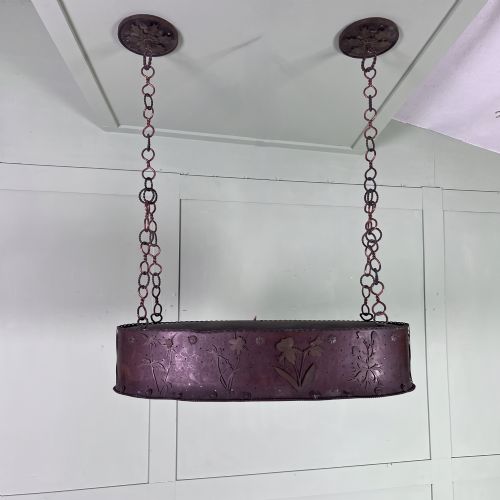
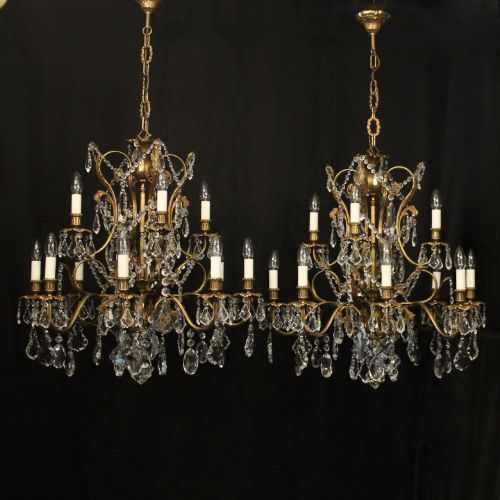
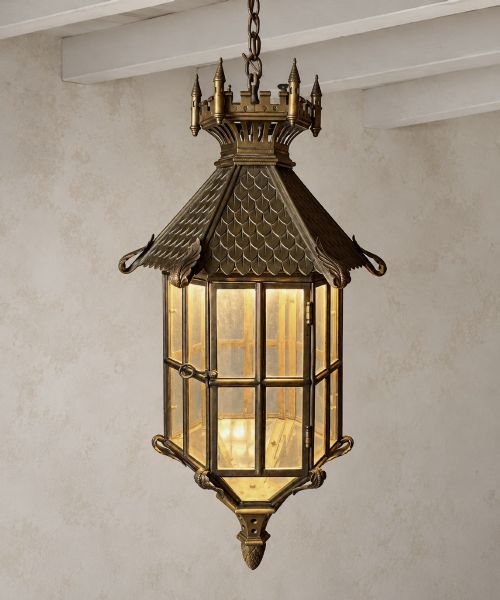
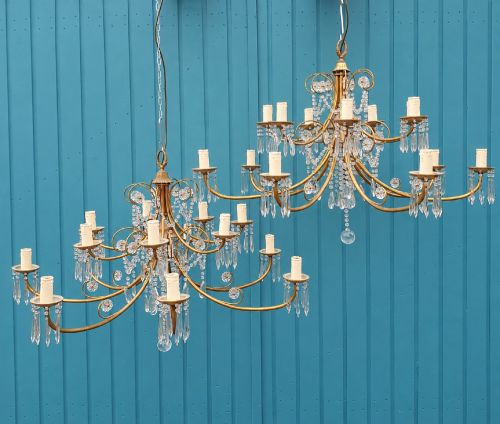
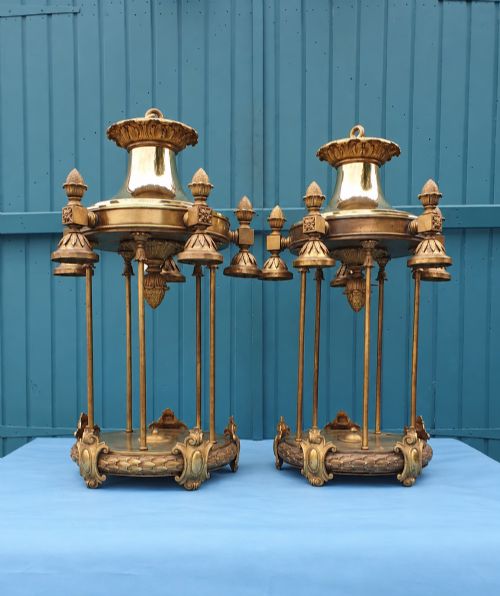
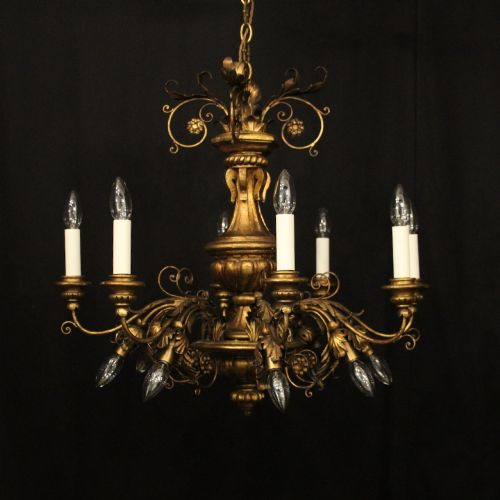
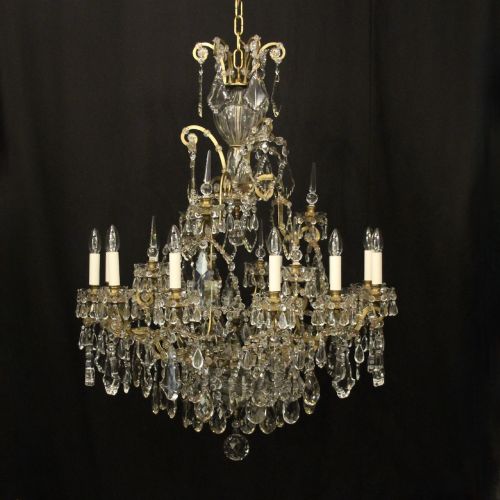
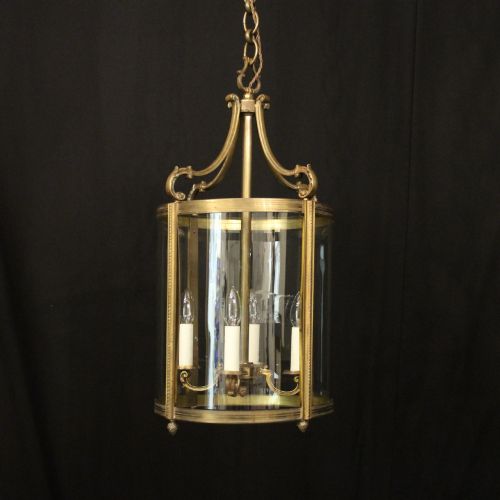
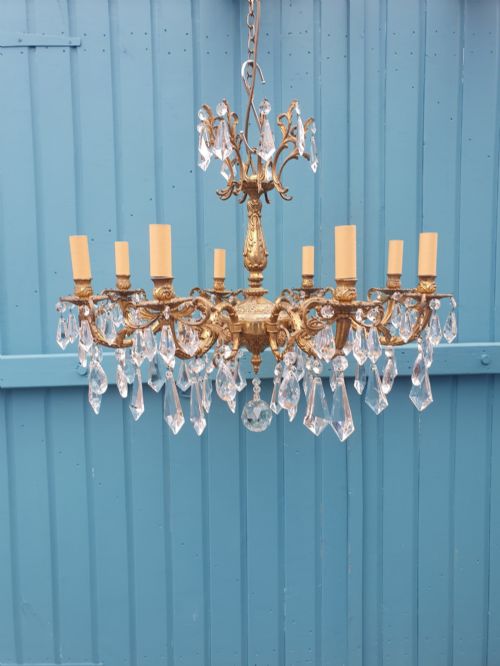
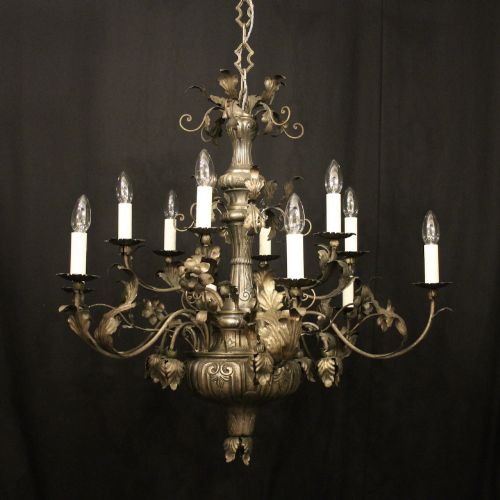
A large ceiling pendant is a commanding overhead light fixture designed to anchor a room, spanning forms from multi-armed chandeliers to substantial brass and copper hall lanterns. When searching for a large ceiling pendant, buyers meet pieces originating across the nineteenth and early twentieth centuries, including Edwardian and Victorian designs alongside French Empire and Art Deco interpretations.
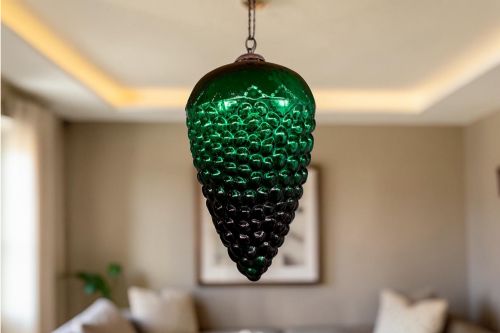
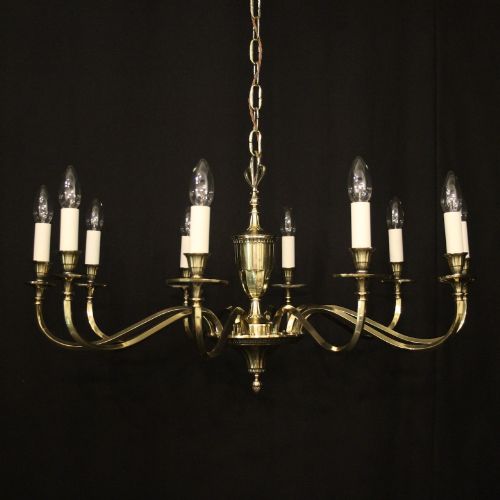
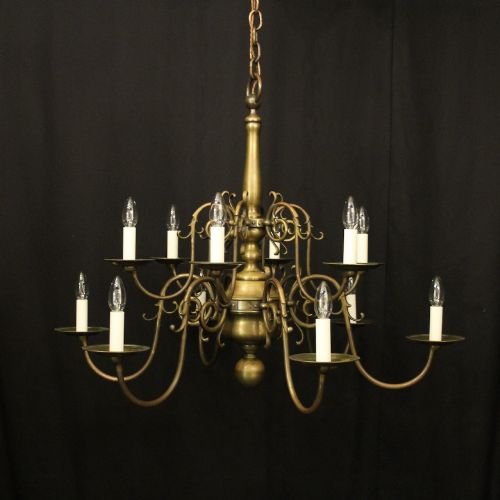
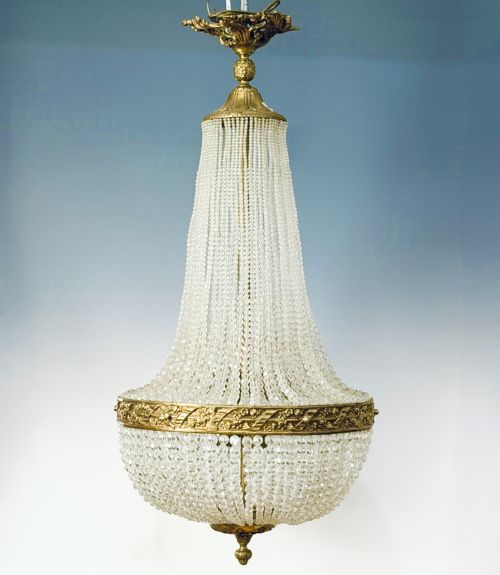
The selection on this page centres heavily on grand French chandeliers hung with crystal lustres and robust metal lanterns built for institutional or domestic halls. These fixtures range from simple conical opaline glass shades to monumental multi-tiered brass structures holding dozens of lights.
How they were made
Metalwork forms the structural backbone of these fixtures, utilising cast and chased bronze, gilded brass, copper and iron. Founders shaped these metals into ornate frames, castellated crowns and hexagonal lantern bodies, often finished with gilding or silvering.
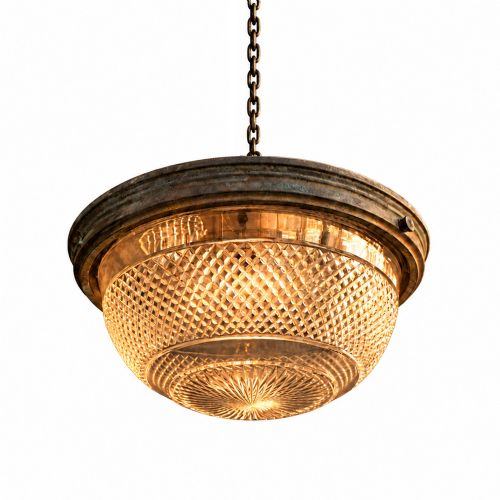
Glass elements range from hand-blown bulls-eye and moonstone glass panels to heavy leaded crystal drops and cut glass bowls. These transparent and translucent components refract light through tent and waterfall configurations, secured by metal pins and wire loops.
Large Ceiling Pendant Retail Price Guide 2026
Typical asking prices for large ceiling pendant among the pieces listed under this phrase on Sellingantiques today, from the lower quarter to the upper quarter. They describe what is for sale here now, not the wider market.
Common architectural styles in the inventory include French Empire, Gothic Revival, Art Deco and Arts & Crafts.
What varies in quality
Quality rests in the crispness of the metal casting and the depth of the hand-chasing on bronze and brass frames. Superior examples display sharply defined ornamentation and substantial weight in the primary metal structure rather than thin, pressed components.
The clarity and cut of the glass or crystal also determine the standard of the piece, with high-end fixtures featuring hand-cut facets that catch the light cleanly. Assembly methods, such as integrated internal wiring channels and robust joint fixings, separate workshop pieces from standard commercial output.
The Large Ceiling Pendant Glossary
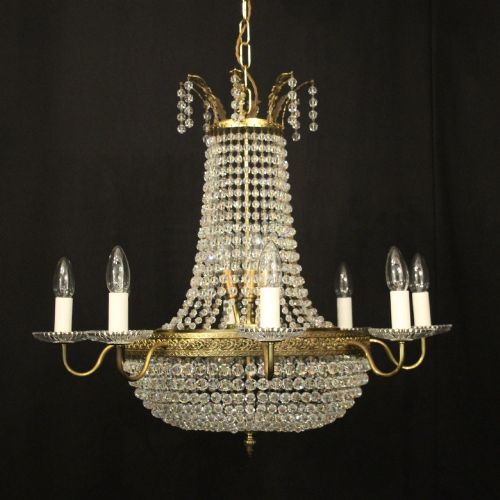
- Tent and waterfall chandelier
- A lighting form featuring an upper umbrella-like canopy of strings of crystal beads dropping to a wider ring below, creating a cascading effect. This style gained particular popularity during the French Empire period.
- Hall lantern
- An enclosed hanging light fixture designed specifically for entrance halls, corridors and vestibules. These usually feature glass panels set into a metal frame of brass, bronze or copper.
- Crystal lustre
- A cut or moulded glass pendant drop suspended from a chandelier or sconce to enhance light refraction. Lustres hang from brass pins threaded through the arms or crowns of the fixture.
- Opaline glass
- A type of semi-translucent milk glass that diffuses light evenly without harsh glare. It appears frequently in early twentieth-century conical pendant shades and schoolhouse fixtures.
- Gilt bronze
- Bronze metal treated with a thin layer of gold through fire gilding or electroplating. This technique provides a durable, lustrous surface finish seen on decorative French lighting.
Large Ceiling Pendant: Frequently Asked Questions
How do I hang a heavy pendant?
Heavy chandeliers and lanterns require direct anchorage to ceiling joists using steel hooks or pattress blocks capable of supporting the combined weight of the metal and glass.
Professional electricians should install weight-bearing ceiling boxes and steel suspension chains to ensure safety and stability.
What rooms suit a large pendant?
Substantial fixtures work best in spaces with high ceilings, such as grand entrance halls, dining rooms, stairwells and principal reception rooms where they can hang without obstructing movement.
Measuring the drop and overall diameter ensures the light balances the proportions of the room rather than overwhelming the floor space.
How do I clean crystal pendants?
Cleaning requires a mild solution of warm water and professional glass cleaner applied with a soft cloth directly to the glass drops while they remain on the frame.
Avoiding harsh chemical sprays protects the surrounding metal patination and prevents moisture from damaging vintage internal wiring.
How do I date an antique pendant?
Dating relies on identifying stylistic markers, such as the geometric lines of Art Deco, the foliate scrolls of French Rococo, or the robust utility of Arts and Crafts copper.
Examining the manufacturing techniques, screw threads and glass-cutting styles also helps place the piece within the nineteenth or early twentieth century.