
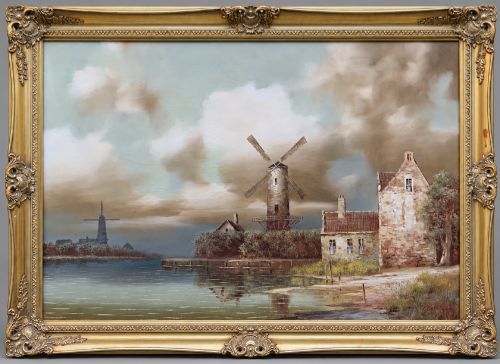
Large Painting
A large antique painting brings scale and centuries of hand-rendered pigment directly to a principal wall.
Large Painting
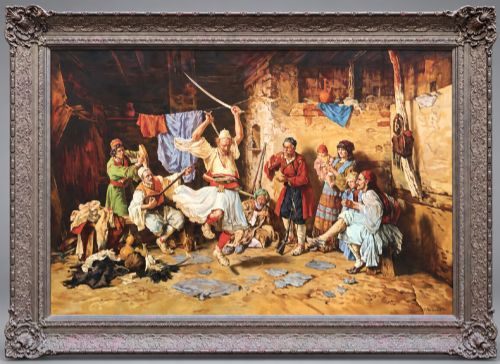
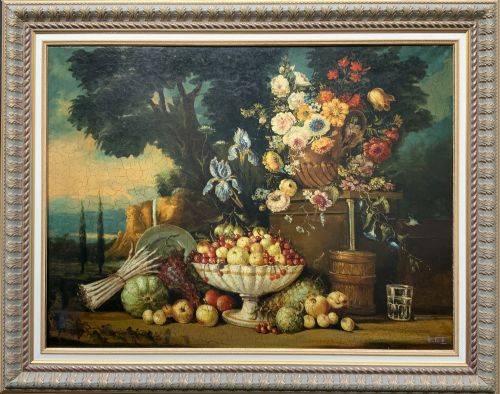
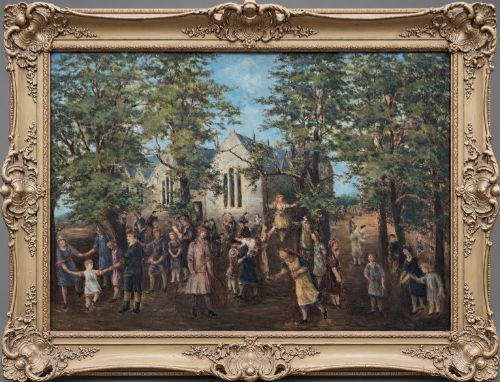
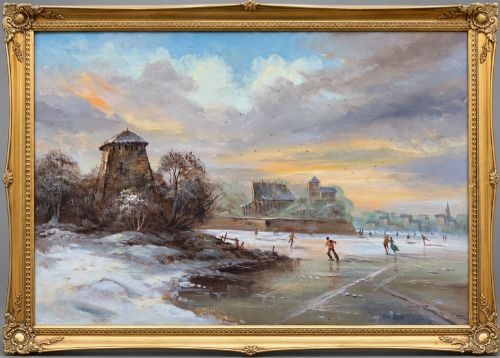
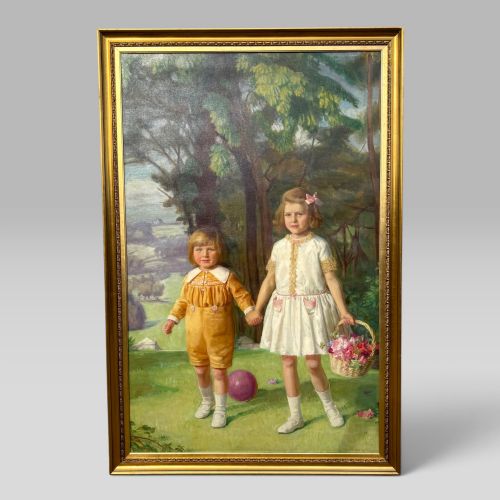
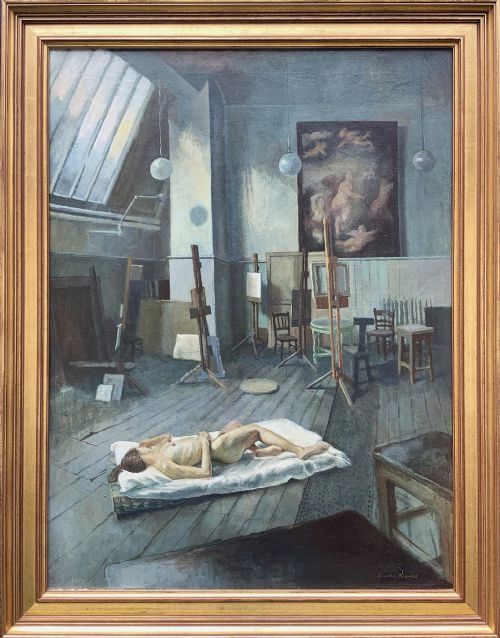
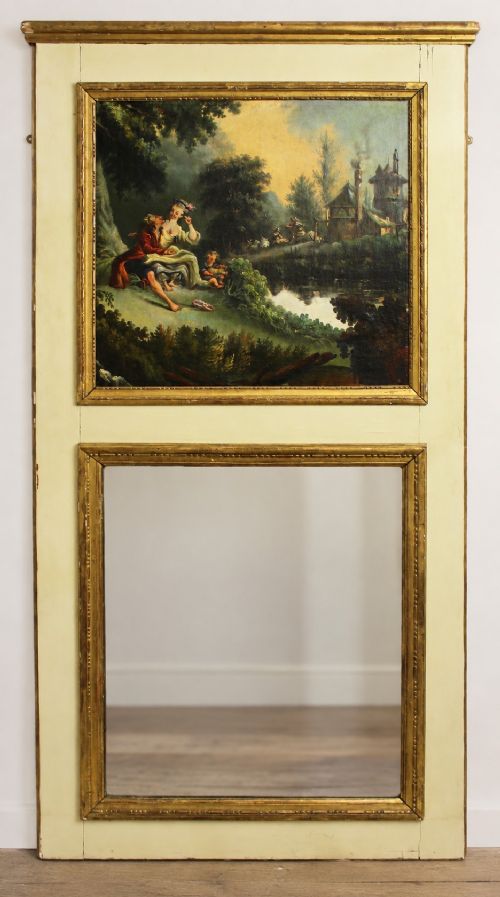
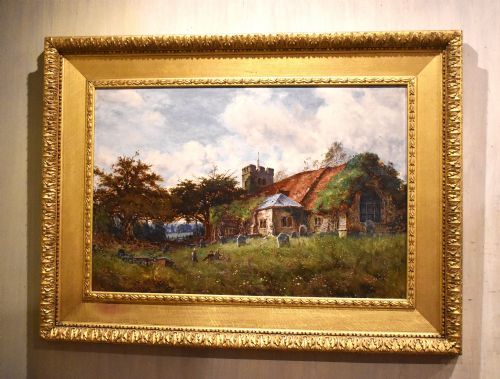
A large antique painting comprises substantial canvas works executed in oil pigments across various historical periods. These pieces frequently capture portraiture, landscape, sporting scenes, and narrative compositions set within historic frames.
Buyers seeking a large antique painting will encounter canvas surfaces supported by timber stretchers, often retained in original giltwood surrounds. The selections span British, European, and wider international hands from the eighteenth century into the twentieth.
Canvas works dominate this category, alongside occasional watercolours on paper and painted textile banners. Scale remains the unifying factor, demanding generous wall space and commanding visual presence within a room.
Materials and Construction
Pigments ground in oil provide the primary medium, applied thickly or in translucent glazes across woven linen or cotton canvas supports. These materials allow rich depth of colour and enduring flexibility over centuries.
Traditional timber stretchers tension the canvas, whilst ornate frames carved from wood or cast in composition ornament the perimeter. Many frames retain their original gold leaf or painted surface finish.
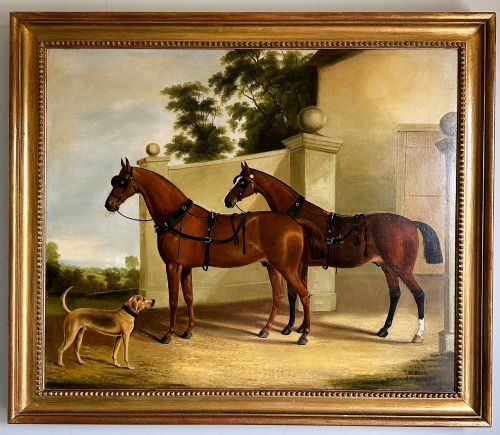
Several canvas subjects record canine companions and carriage horses watching proceedings with absolute indifference.
Evaluating Quality
The precision of brushwork and anatomical handling distinguishes master composition from provincial execution. Subtle tonal transitions and confident draughtsmanship elevate portrait and landscape subjects.
Originality of surface and frame preservation dictates standing. Works retaining untouched pigment layers and contemporary giltwood surrounds command greater respect than those subjected to heavy restoration.
George F. Bird·James Elliot·Alfred Walter Bayes·Stuart Lloyd
The Large Painting Glossary
- Oil on Canvas
- Pigment mixed with drying oil applied to a stretched woven fabric base. This method allows subtle blending and rich texture.
- Giltwood
- Timber carved and coated with thin gold leaf or metal powder. It provides a reflective, ornate border for formal artworks.
- Stretcher
- The wooden frame that holds a painting canvas taut. Traditional versions utilise corner keys for adjustment.
- Provenance
- The documented history of ownership of an artwork. It establishes authenticity and traces the lineage of the piece.
Large Painting: Frequently Asked Questions
How do I hang a heavy oil painting safely?
Large paintings require secure wall fixings attached directly into masonry or timber studs rather than plaster alone. Heavy giltwood frames demand professional weight-rated picture wire and dual anchor points.
Position the centre of the canvas at approximately eye level for optimum viewing. Ensure the hanging location avoids direct sunlight and fluctuating radiator heat.
How do I date an antique painting?
Examine the canvas weave, stretcher construction, and tacking margins for clues regarding age. Hand-woven linen and rosehead nails often indicate nineteenth-century or earlier origins.
Artist signatures, exhibition labels, and frame styles provide additional chronological markers. Pigment analysis can further confirm the era of creation.
Can I reframe an antique canvas?
Original frames form an integral part of the historical object and should be preserved whenever possible. Changing a period frame alters the aesthetic balance and context of the artwork.
If framing damage is severe, consult a specialist framer to source a period-appropriate replacement. Ensure any new moulding matches the exact depth and scale of the canvas.