
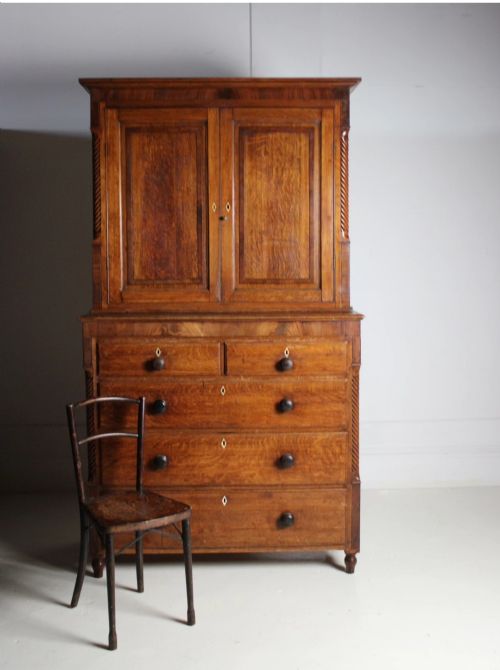
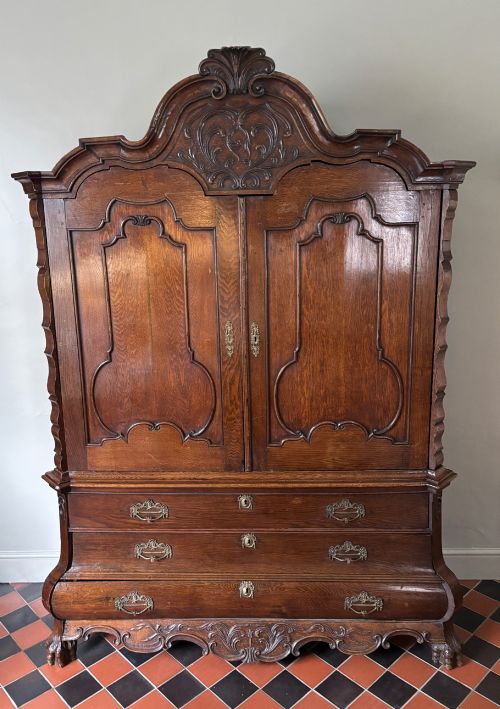
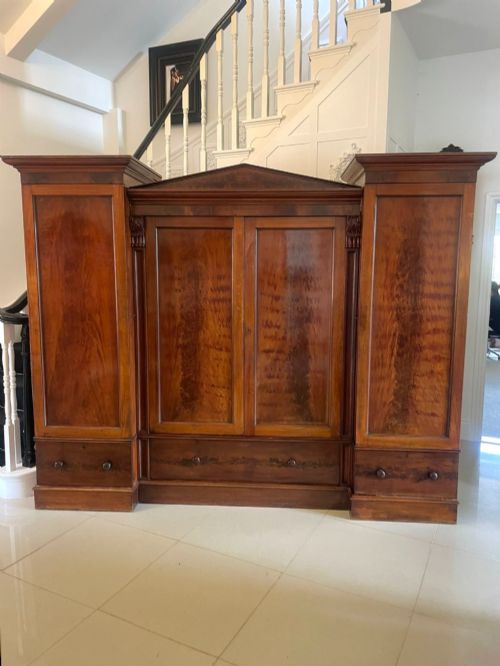
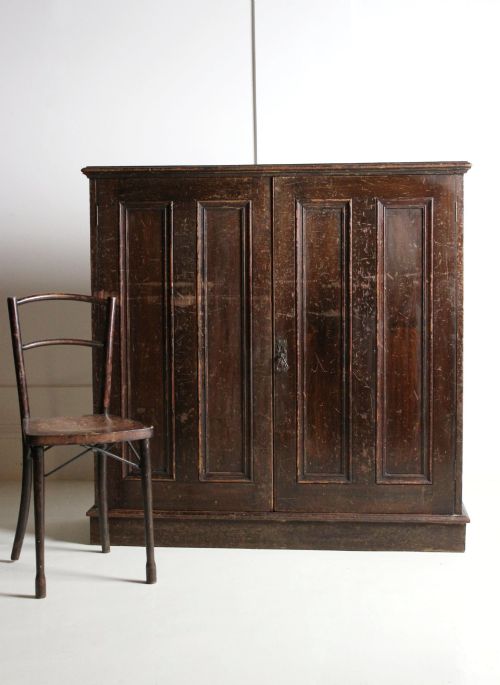
Large Linen Press
Large antique linen press designs offer substantial storage, spanning periods from George III to Edwardian times in mahogany, oak, and pine.
Large Linen Press
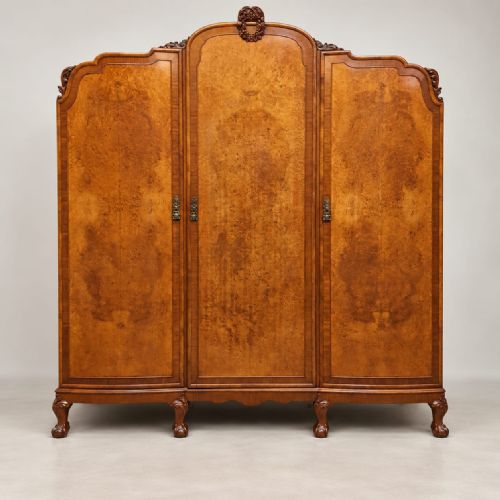
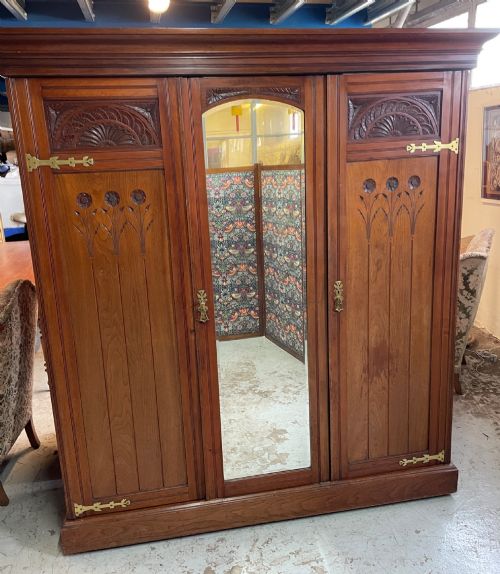
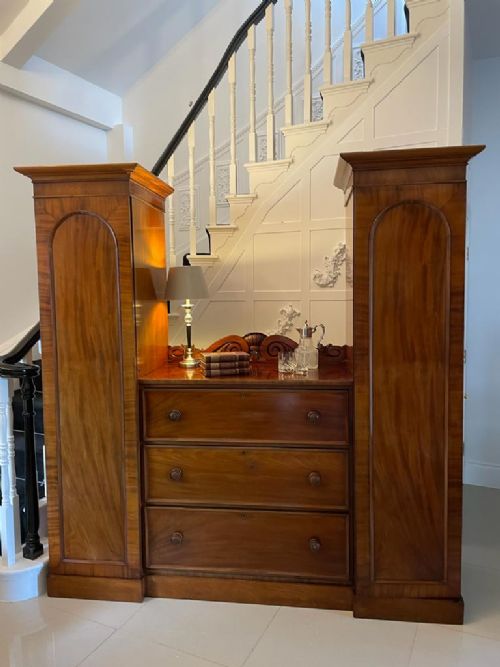
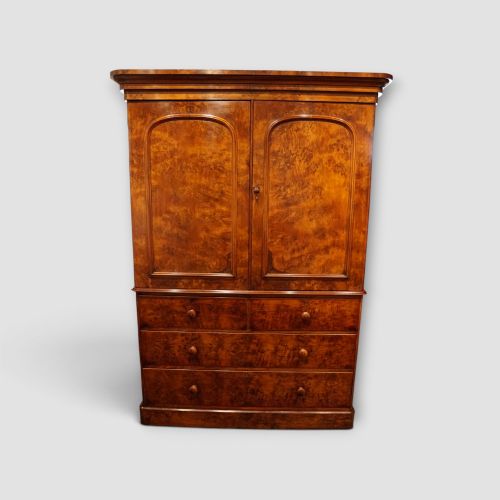
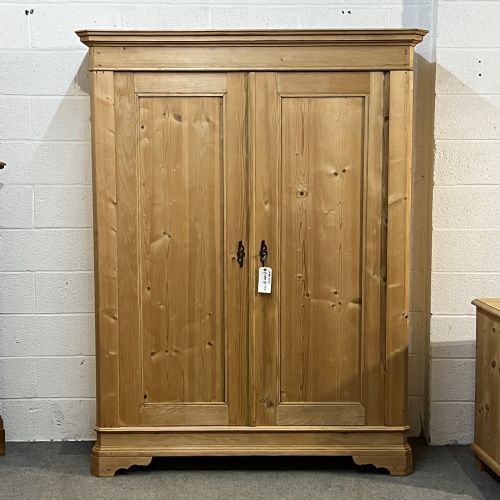
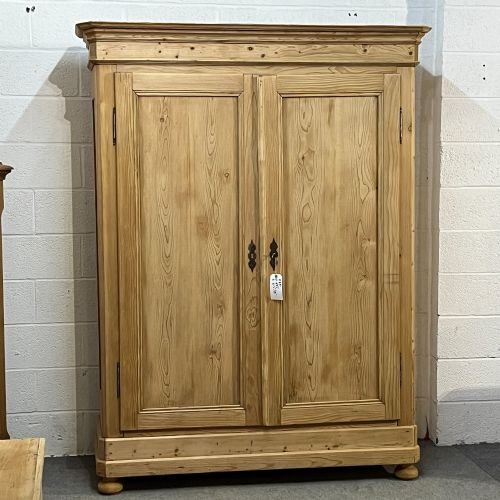
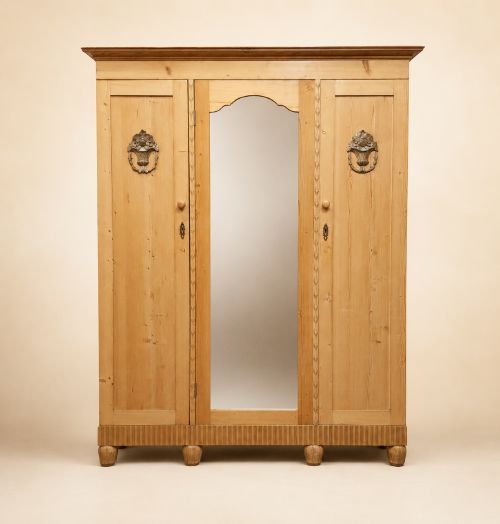
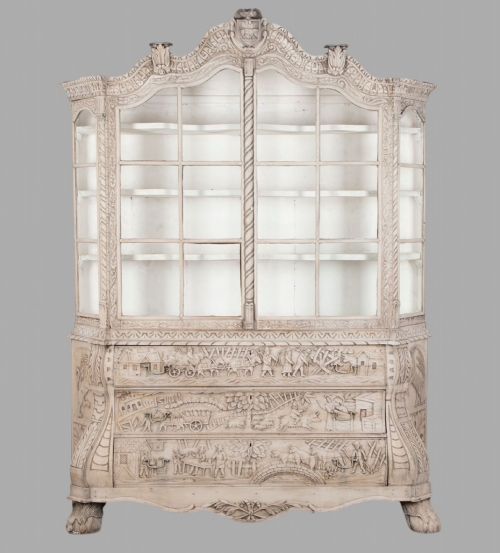
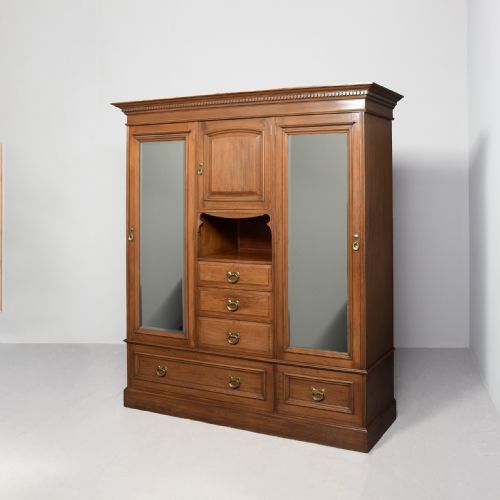
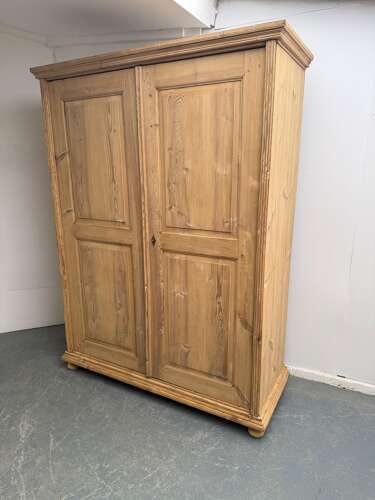
A large antique linen press is a substantial storage piece historically used for folding and housing household textiles, typically combining upper cupboard sections with lower banks of drawers. Buyers searching this phrase encounter grand mahogany Georgian breakfronts, robust Victorian burr walnut designs, and capacious Dutch or English pine armoires.
Many examples listed show a dual nature, functioning interchangeably as wardrobes, compactums, or housekeeper's cupboards with internal shelving or hanging space. The pine variants often arrive as knockdown pieces designed for straightforward assembly in modern bedrooms.
Origins stretch across English, French, Dutch, and Italian workshops, reflecting regional preferences for timber selection and surface carving. The predominant forms balance architectural presence with utilitarian depth, offering deep interior capacity.
Materials and construction
Makers relied heavily on dense hardwoods like mahogany, oak, and walnut for formal Georgian and Victorian pieces, frequently utilising figured veneers or flame mahogany on primary surfaces to catch the light. Pine served as the primary material for large country house and continental cupboards, often prepared with beaded mouldings or left plain for subsequent waxing.
Joinery involved sturdy panelled construction, dovetailed drawer boxes, and architectural cornices that distributed the weight of heavy doors fitted with brass hardware. Many large pine and mahogany examples incorporated knockdown frames secured by internal bolts or wedges to facilitate movement between rooms.
Decorative elements ranged from carved oak motifs and satinwood inlay to gilt bronze ormolu mounts on French armoires, showing how structural timbers were enhanced by specialist cabinetmakers.
Listings feature woods spanning mahogany, oak, pine, walnut, burr walnut, satinwood, maple, and cherry across Georgian, Victorian, and Edwardian periods.
Evaluating quality in a press
Quality rests in timber selection and the precision of the cabinetmaker's joinery, visible in how doors hang squarely within their frames and how drawers run smoothly within their carcases. Finely figured mahogany or burr walnut veneers applied with symmetry elevate a piece far above utilitarian pine variants.
The integrity of internal fittings - such as original linen slides, adjustable shelving, or intact hanging spaces - distinguishes untouched examples from altered interiors. Crispness in carved mouldings, original brass hardware, and the survival of makers' stamps indicate workshop distinction.
Gillows·W. Priest
The Large Linen Press Glossary
- Linen press
- A tall storage cabinet traditionally designed with sliding trays or shelves in the upper section for folded textiles above a chest of drawers.
- Compactum
- A fitted wardrobe combining hanging space, drawers, shelves, and sometimes sliding trays within a single multi-door structure.
- Breakfront
- A cabinet design where the central section projects forward from the flanking wings, adding architectural depth to large wardrobes.
- Knockdown
- A piece of furniture constructed with removable panels and pegged or bolted joints so it can be dismantled for transport.
- Slide
- A shallow wooden tray pulled out like a drawer, used historically for storing folded linen flat.
Large Linen Press: Frequently Asked Questions
Can I use an antique linen press as a modern wardrobe?
Many larger examples accommodate modern clothes hanging rails within their upper cupboard sections, though some retain original fixed shelving or sliding trays.
Buyers often adapt the internal space of pine or mahogany presses to suit contemporary clothing storage while preserving the exterior period facade.
How do I move a large knockdown linen press?
Knockdown variants disassemble into separate panels, cornices, bases, and door frames, making them manageable for transport through standard doorways.
Keeping track of original wedges, bolts, and numbered panels ensures straightforward reassembly in the room of your choice.
How do I tell Georgian presses from Victorian ones?
Georgian pieces generally exhibit refined proportions in mahogany or oak with classical bracket feet and subtle cockbeading around drawer edges.
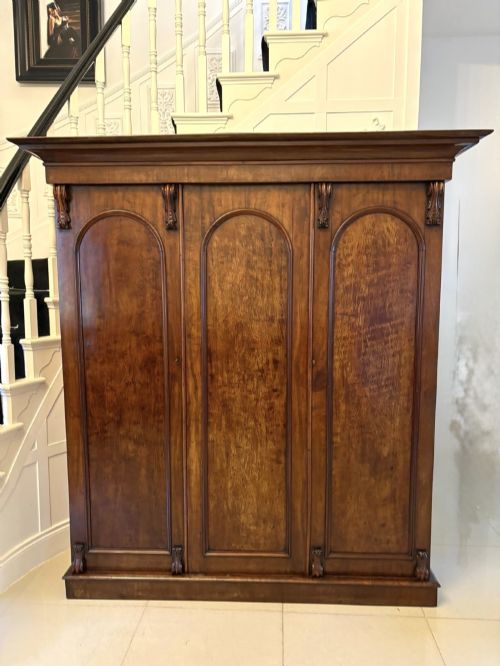
Victorian and later variants tend to be heavier, often featuring burr walnut veneers, arched panel doors, or extensive pitch pine construction.