




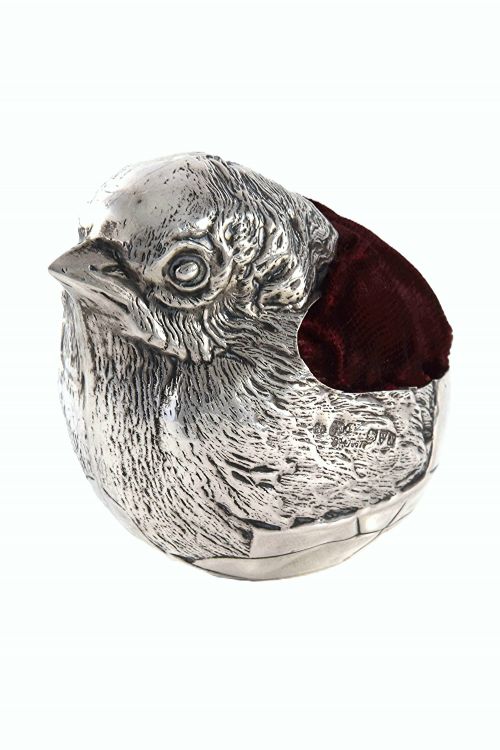


Large Cushion
These large antique cushion pieces span mirrors, armchairs, and silver pin cushions from the nineteenth and early twentieth centuries, offering tactile presence and period character for any interior.
Large Cushion
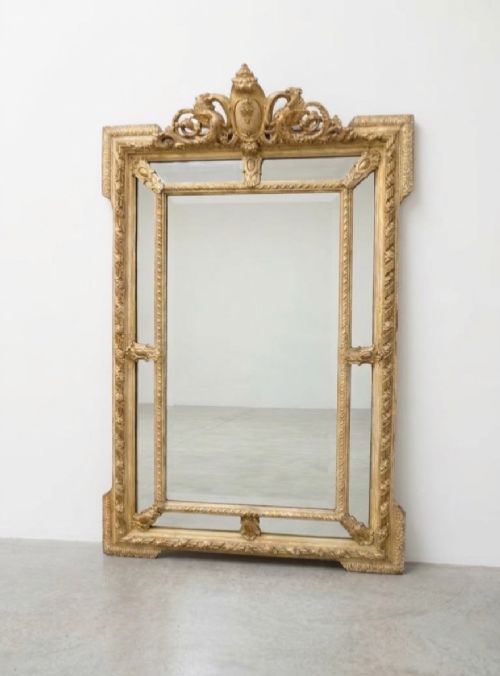
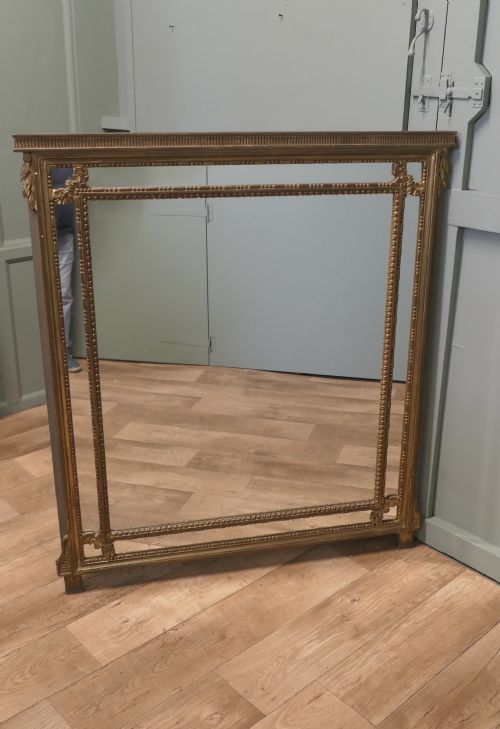
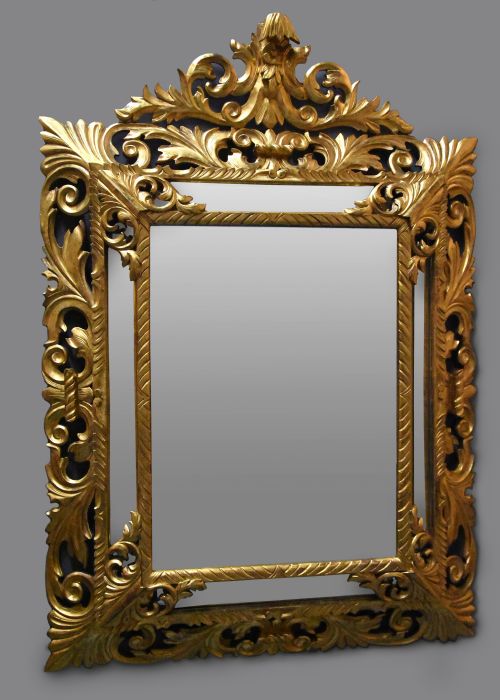
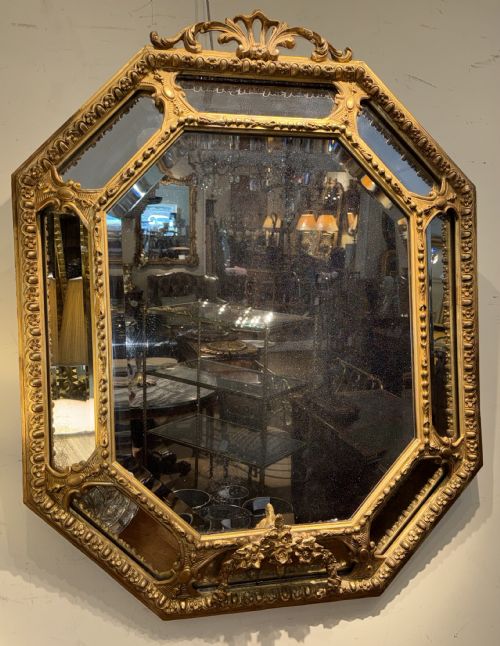
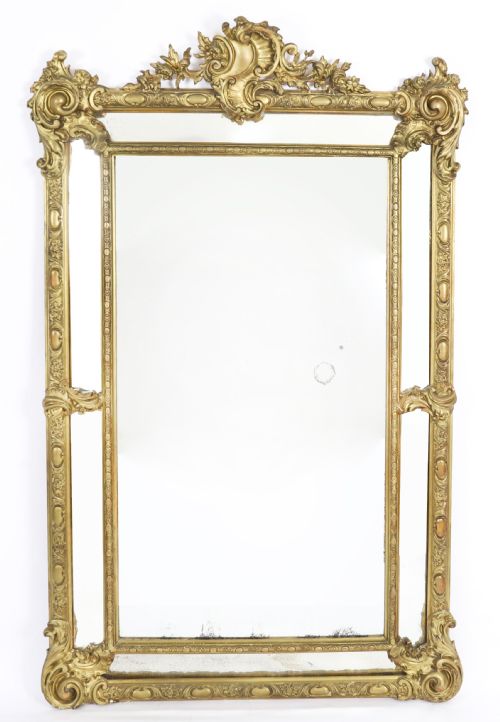
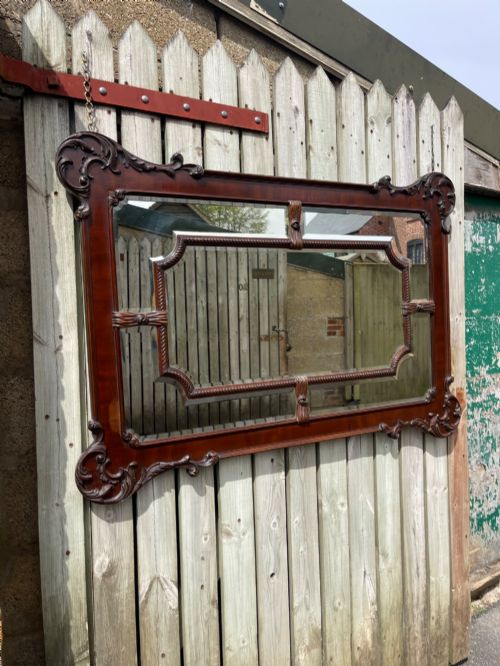
A large antique cushion typically refers to items characterised by a convex or padded profile, most commonly found among nineteenth and early twentieth-century wall and overmantel mirrors. These mirror frames swell outwards towards the edge, creating a pronounced three-dimensional shape that catches light from multiple angles.
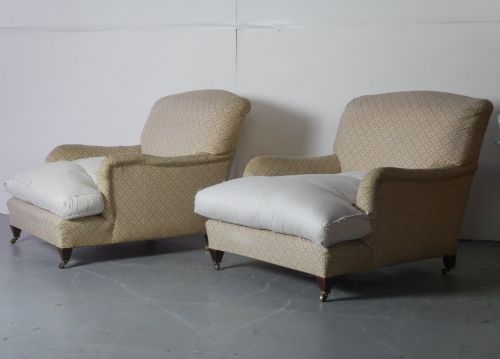
Beyond mirrors, the evidence shows this descriptor applied to silver pin cushions modelled in whimsical animal and object forms, substantial armchairs, hand-woven tribal bag faces, and gemstone rings featuring cushion-cut stones. The common thread is a rounded, generous proportion that defines the silhouette of the piece.
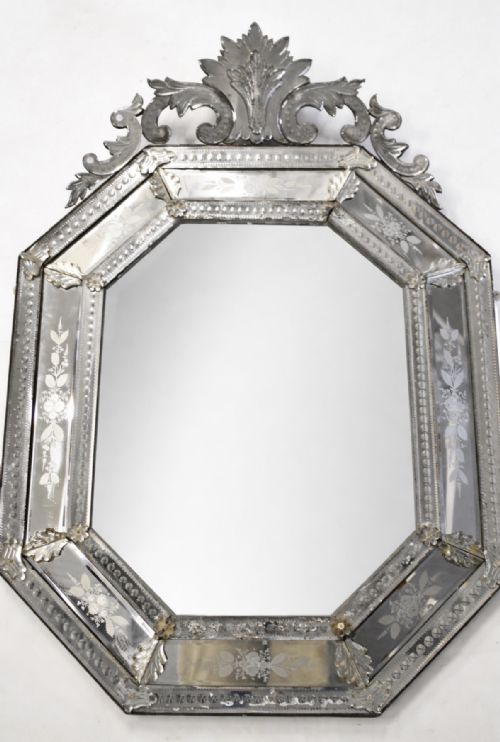
Buyers encountering this group will most frequently meet giltwood and carved wood mirror frames originating from French, Italian, and English workshops. These range from Venetian engraved glass examples to robust Victorian and Edwardian overmantels designed to anchor a principal room.
How they were made
Makers of large antique cushion frames relied on carved timber foundations, often applying layers of gesso to build up the rounded, bulbous profiles before applying gold leaf or paint finishes. In silverwork, metal was cast and chased to form detailed figures like chicks, boots, and shoes designed to hold pins.
Glass production for the mirrors involved hand-silvering and bevelling, frequently incorporating marginal plates or engraved decoration fixed within the wooden framework. Upholstered seating utilised traditional webbed and stuffed construction methods suited to heavy armchairs.
Large Cushion Retail Price Guide 2026
Typical asking prices for large cushion among the pieces listed under this phrase on Sellingantiques today, from the lower quarter to the upper quarter. They describe what is for sale here now, not the wider market.
Listings feature eighteenth to twentieth-century forms, uniting carved giltwood frames, silver animal novelties, and woven tribal textiles under the cushion descriptor.
What varies in quality
Quality rests in the depth and crispness of the carving, particularly on giltwood and gesso frames where hand-tooling defines the ornaments and scrolling foliage. Superior examples display restrained, harmonious proportions where the swelling cushion profile integrates seamlessly with the internal glass or upholstery.
The integrity of the surface finish plays a major role, distinguishing pieces with original parcel-gilt or undisturbed patination from those with heavy later interventions. In silver pin cushions, the sharpness of the casting detail and clear hallmarks dictate the standing of the piece.
Whytock And Reid
The Large Cushion Glossary
- Cushion mirror
- A looking glass featuring a convex frame that curves outward toward the edges, resembling a pillow. This form gained popularity during the baroque period and saw revivals through the nineteenth century.
- Overmantel mirror
- A large wall mirror specifically designed to hang above a fireplace mantelpiece. They often span the width of the fireplace and reflect light across the room.
- Gesso
- A plaster-like mixture applied to wood surfaces as a base for gilding or painting. It allows craftsmen to carve intricate relief details before applying gold leaf.
- Pin cushion
- A small decorative object stuffed to hold sewing pins, frequently cast in silver during the Edwardian era in the shape of animals, birds, or footwear.
- Tribal bag face
- The decorative front section of a woven nomadic bag, often featuring geometric motifs and boteh designs. These textiles were later adapted for soft furnishings.
- Cushion cut
- A gemstone cut featuring rounded corners and larger facets that resemble a pillow shape. This historic cut maximises brilliance in antique diamonds and coloured stones.
Large Cushion: Frequently Asked Questions
Where should a large cushion mirror hang?
These mirrors suit principal reception rooms, hallways, or above fireplaces where their substantial frames can command the wall space. Their convex profiles naturally bounce light around the room from multiple angles.
Ensure the wall construction supports the weight, particularly for large nineteenth-century giltwood and gesso examples which carry considerable heft from their wooden cores and thick glass plates.
How do I care for antique giltwood?
Dust gently with a dry, soft feather duster or a very soft dry brush to protect the delicate gold leaf and gesso layers. Avoid using any liquid cleaners, polishes, or damp cloths, which strip the historic surface.
Keep pieces away from direct sunlight and steady sources of heat to prevent the wood beneath from drying out and causing the gesso to crack or flake.
What is a cushion cut gemstone?
A cushion cut is an antique stone shape with curved sides and rounded corners that bridges the modern oval and square cuts. It has been used for centuries to showcase coloured stones and diamonds.
Because these cuts were shaped by hand to save weight and maximise brilliance under candlelight, each stone displays a unique faceting pattern compared to modern precision-cut gems.
How were silver pin cushions used?
Edwardian silver pin cushions sat on dressing tables or sewing desks to keep pins organised and close at hand. Silversmiths cast them into playful shapes to amuse the owner.
Today, they are collected as miniature sculptures rather than for daily sewing tasks, valued for their fine hallmarks and detailed animal or object casting.