



Lalique Figurine
A lalique figurine brings sculptural mastery to glass, prized for bringing Art Deco and Art Nouveau aesthetics directly into the home.
Lalique Figurine
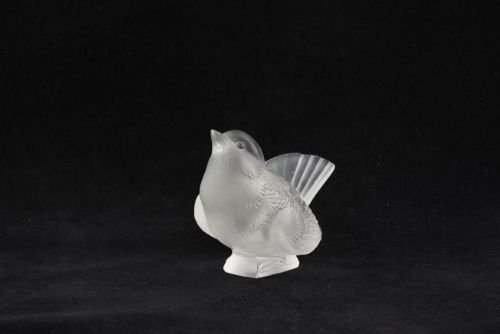
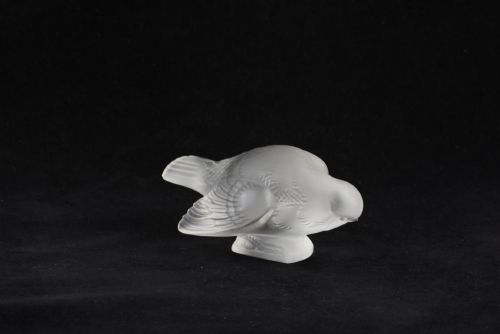
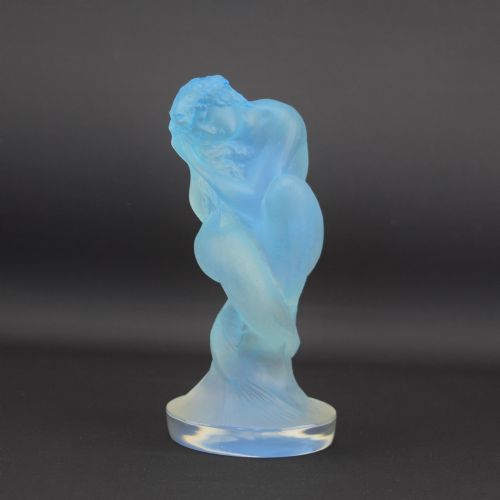
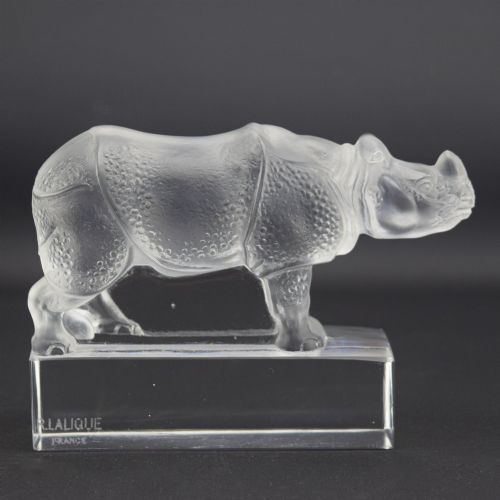
A lalique figurine encompasses decorative sculptures, paperweights, car mascots, desk seals, and statuettes. Buyers searching for a lalique figurine will encounter objects produced across the early decades of the twentieth century, specifically spanning the 1910s, 1920s, and 1930s. These pieces take the form of birds like sparrows and goldfinches, mythological figures such as sirens and naiads, and various animals including rhinoceroses, elephants, and wild boars.
The versions most commonly met on this page include desk paperweights featuring birds on socles, automotive mascots mounted for display, and small statuettes. Animal studies like the Moineau series sit alongside figural works like the Thais statuette and functional items such as shot glasses decorated with figures. The predominant design influences draw heavily from Art Deco and Art Nouveau movements of the period.
Materials and methods
Production relies on specialised glass and crystal manipulation, utilising frosted glass, clear glass, moulded glass, pressed glass, and moulded crystal. Artisans employed moulding and pressing techniques to shape the molten material into complex three-dimensional forms.
Surface treatments define the visual character of these pieces, incorporating opalescent glass, topaz coloration, and blue staining to highlight detail and catch the light. The interplay between polished transparent surfaces and satin-finished frosted areas creates depth within the glass sculpture.
Listings feature items exclusively from the 1910, 1920, and 1930 periods, executed in frosted, clear, moulded, opalescent, and pressed glass.
Assessing quality
The depth and uniformity of opalescence or specific colouration, such as blue staining or topaz tones, determine the visual success of a piece. The integration of the glass body with its original base or socle also influences the overall integrity of the sculpture.
Rene Lalique
The Lalique Figurine Glossary
- Moulded Glass
- Glass shaped by being pressed into a metal or wooden mould while hot. This technique allows for consistent replication of complex sculptural shapes.
- Opalescent Glass
- Glass that displays a milky, iridescent quality shifting in tone depending on the light source. It often catches blue highlights against a warm background.
- Car Mascot
- A decorative ornament mounted on the radiator cap of an automobile during the early twentieth century. Many were later adapted as desk sculptures or paperweights.
- Socle
- A short pedestal or plinth supporting a sculpture or paperweight. It provides a stable base for display.
- Stained Glass
- Glass treated with surface colouration to accentuate recessed details and engraving. This adds contrast and depth to the sculptural design.
Lalique Figurine: Frequently Asked Questions
What is a lalique figurine?
A lalique figurine is a moulded glass or crystal sculpture produced during the early twentieth century. These objects function as decorative paperweights, car mascots, desk seals, and statuettes.
They reflect the artistic styles of Art Deco and Art Nouveau, depicting animals, birds, and mythological figures with characteristic frosted surfaces.
How were car mascots used?
Car mascots were originally fitted to the radiator caps of motor cars as distinctive bonnet ornaments. Many owners displayed them on illuminated bases during the motoring era.
Today, these mascots are typically removed from vehicles and placed on desks or shelves as standalone sculptures.
How do I date a piece?
Dating relies on stylistic markers associated with the 1910s, 1920s, and 1930s. Art Nouveau influences often appear in earlier works, while geometric forms correspond to later Art Deco designs.
Specific animal and figural subjects recorded in the listings provide comparative timelines for production years.
What materials are used?
These pieces are manufactured from various forms of glass and crystal, including frosted, clear, moulded, pressed, and opalescent varieties. Some examples incorporate blue staining or topaz coloured glass to enhance the design.
The combination of transparent and satin-finished surfaces is a primary characteristic of the medium.