





Lacquered Wood Desk
A lacquered wood desk brings together practical writing surfaces and painted decorative schemes from periods ranging across the eighteenth and nineteenth centuries.
Lacquered Wood Desk
A lacquered wood desk provides a dedicated writing space featuring applied decorative surfaces. Buyers seeking this phrase encounter examples from the nineteenth century alongside eighteenth-century travelling bureaux.
The selection includes Chinese writing forms and English interpretations influenced by Chinoiserie styles. These surfaces combine functional drawers or writing flaps with detailed painted or lacquered decoration.
Materials and construction
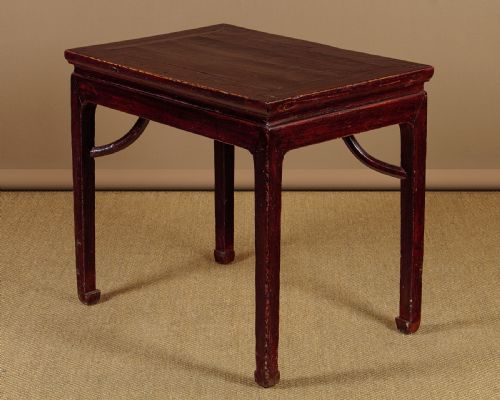
Construction relies on timber foundations, including Chinese elm, finished with layers of lacquer. Artisans applied specialised coatings to wood surfaces to create durable, glossy finishes.
Decoration often incorporates gilt detailing, brass fittings, and painted motifs. Craftspeople built these pieces to serve as functional writing furniture while displaying intricate pictorial scenes.
Lacquered Wood Desk Retail Price Guide 2026
Typical asking prices for lacquered wood desk among the pieces listed under this phrase on Sellingantiques today, from the lower quarter to the upper quarter. They describe what is for sale here now, not the wider market.
Materials recorded on this site include brass, lacquer, wood, elm, fabric, and gilt.
Assessing quality and craftsmanship
Quality rests in the preservation of the original lacquer and the clarity of the painted surface decoration. Pieces retain more character when their gilt and lacquer layers survive without heavy restoration.
Structural integrity of the underlying timber, such as elm or structural framing, separates standard utility work from finer cabinetmaking. The precision of the joinery in drawers and writing compartments dictates the overall standard.
The Lacquered Wood Desk Glossary
- Chinoiserie
- European decorative style reflecting Chinese artistic traditions. It appears frequently on furniture and decorative accessories from the eighteenth and nineteenth centuries.
- Bureau
- A sloping desk used for writing, sometimes fitted with drawers or a stand. Eighteenth-century examples often double as travelling furniture.
- Elm
- A durable hardwood utilised in various nineteenth-century tables and structural elements. It provides a strong foundation for lacquered finishes.
- Gilt
- Applied gold leaf or gold paint used for surface enrichment. It highlights carved details and painted borders on period pieces.
Lacquered Wood Desk: Frequently Asked Questions
How do I care for a lacquered wood desk?
Keep the surface away from direct sunlight and excessive heat to prevent the lacquer from cracking.
Dust gently with a soft, dry cloth and avoid chemical polishes that might damage the historic finish.
Are these desks suitable for daily work?
These pieces function well for light writing and laptop use if the writing height suits your chair.
Protect the lacquer surface with a blotter or writing pad to prevent scratches from daily use.
How do I identify the period of a desk?
Examine the construction methods, timber choice, and style of the lacquer work.
Eighteenth-century examples typically show different structural joinery and hand-mixed finishes compared to later nineteenth-century pieces.
What styles accompany a lacquered desk?
Chinoiserie and Chinese provincial styles dominate the decorative finish of these writing surfaces.
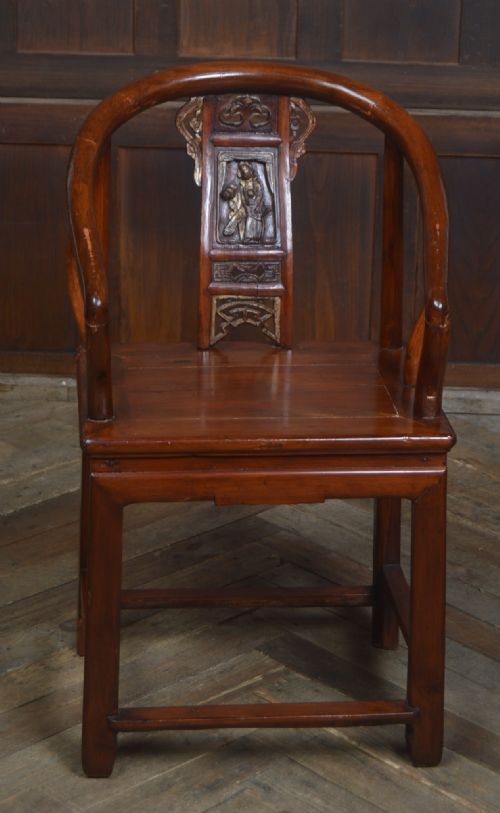
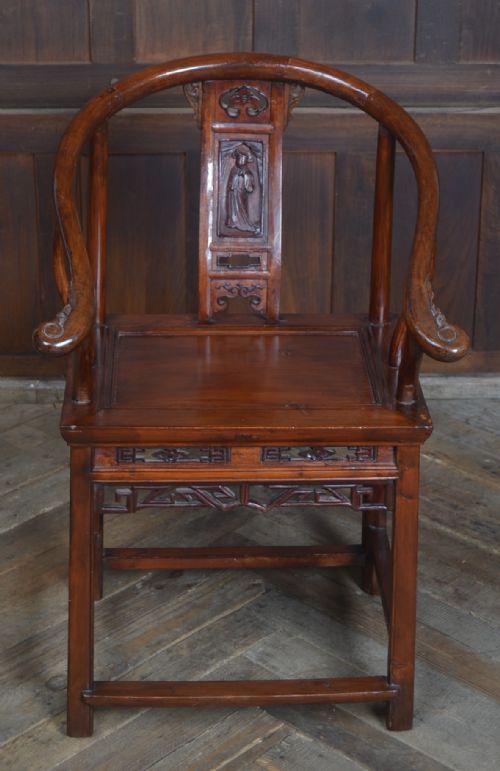
They pair well with diverse seating, including Edwardian or nineteenth-century armchairs and side chairs.