
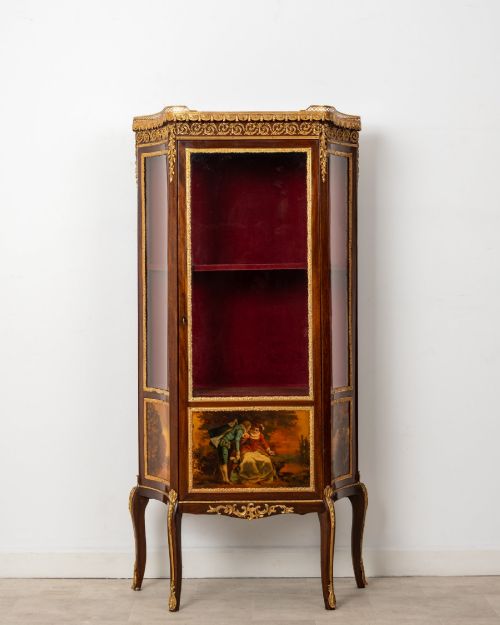
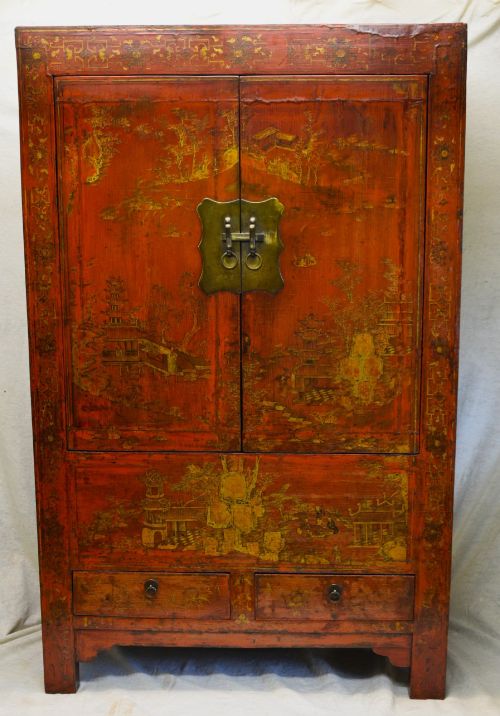
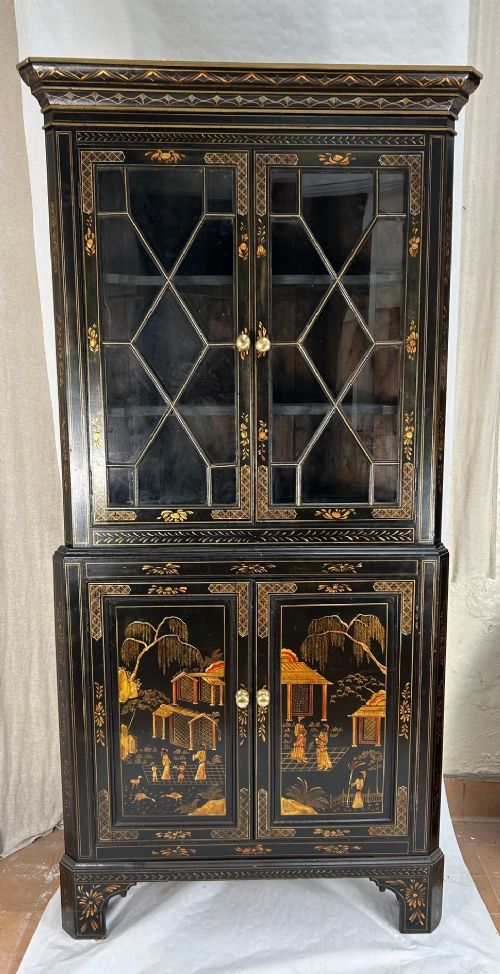
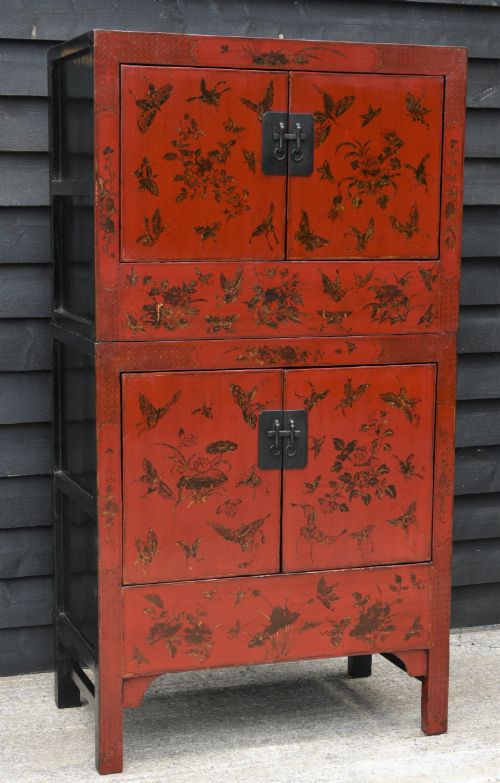
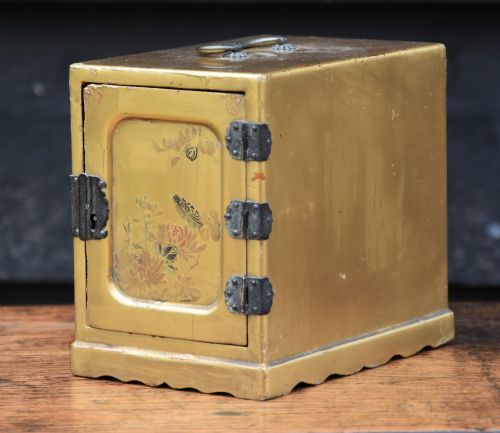
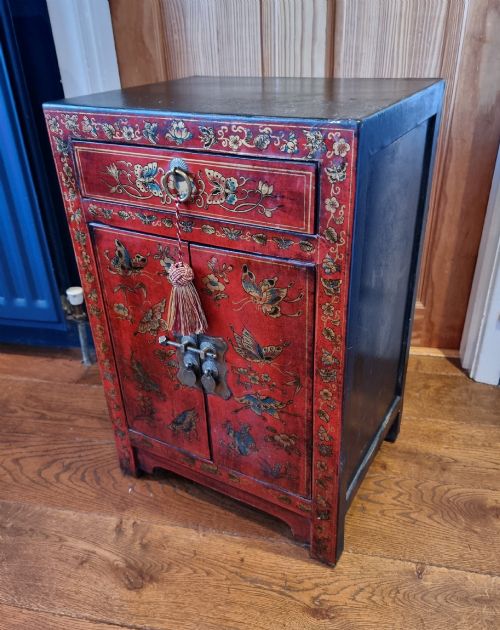
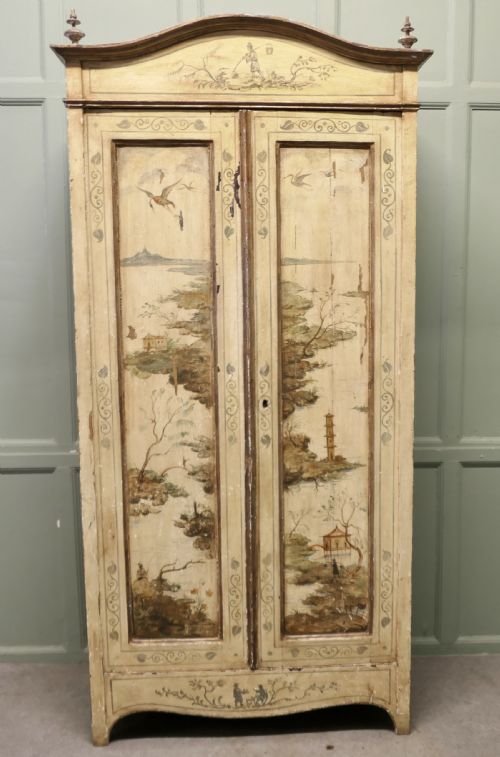
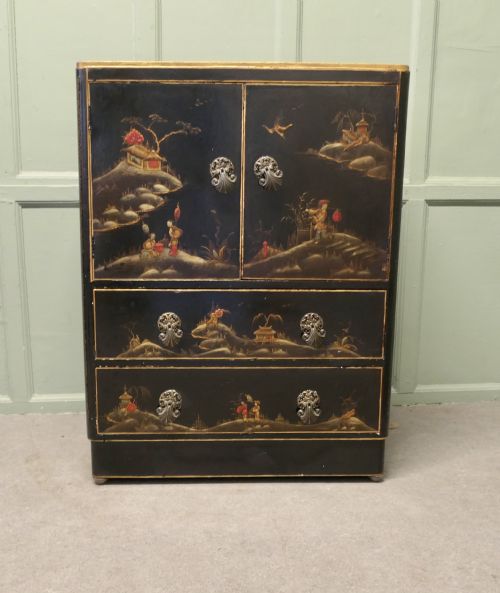
Lacquered Painted Cabinet
These lacquered painted cabinet examples bring together decorative surfaces and practical storage across centuries of Chinese, English and European craftsmanship.
Lacquered Painted Cabinet
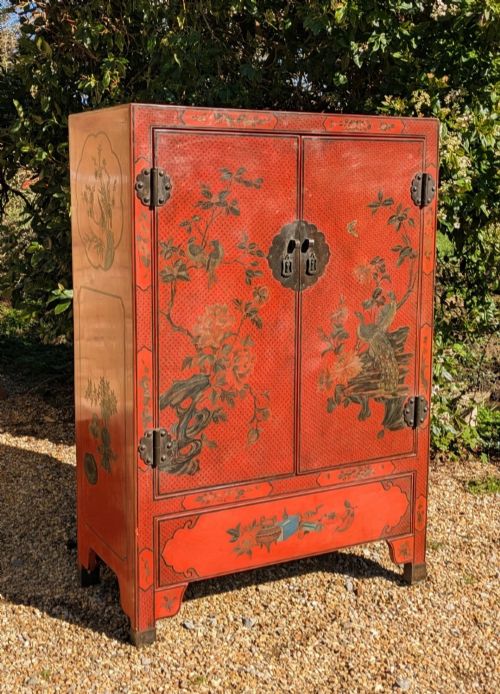
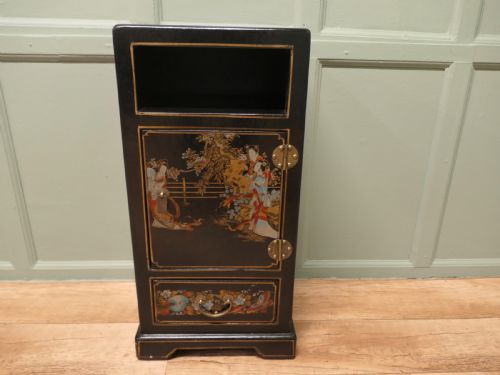
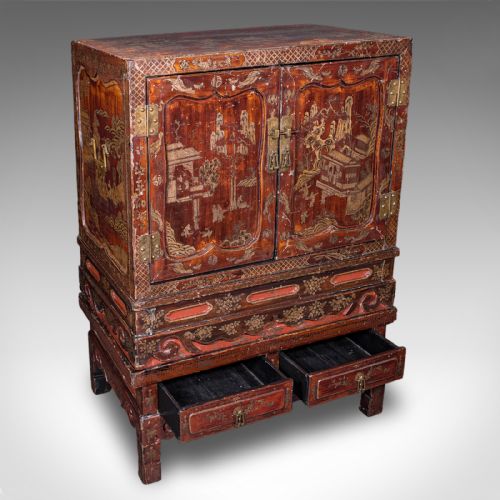
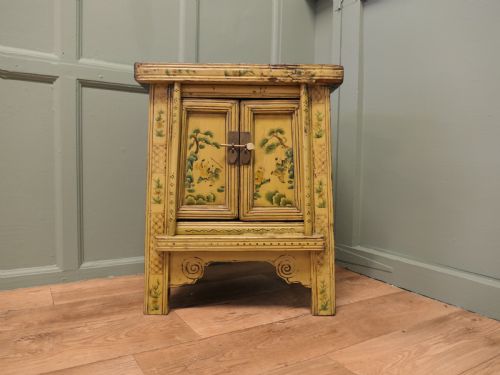
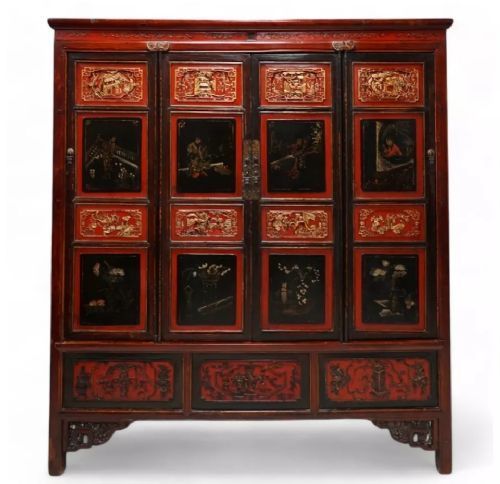
A lacquered painted cabinet serves as both a storage vessel and a decorative focal point, drawing from centuries of diverse traditions. Buyers seeking a lacquered painted cabinet will encounter pieces ranging from traditional Chinese marriage chests to English and French period corner cupboards and side cabinets.
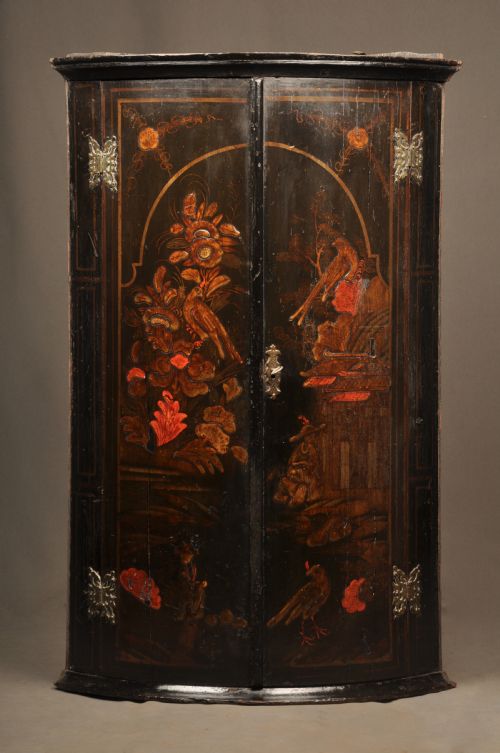
The selection includes forms such as tall wedding cabinets, compact display cabinets, corner cupboards, and cocktail cabinets. These items appear across various eras, including the Georgian, Victorian, Edwardian, and Art Deco periods, alongside pieces originating from Qing Dynasty China.
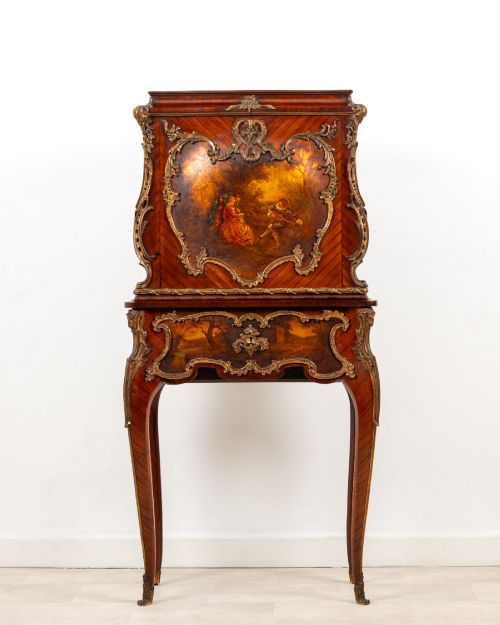
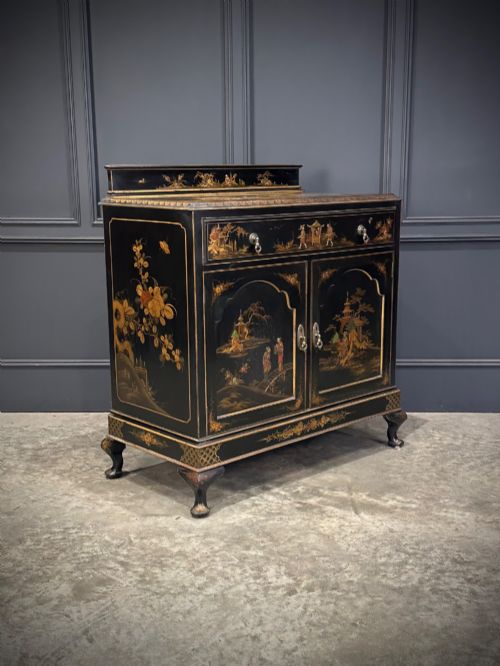
European interpretations frequently adopt Chinoiserie or Vernis Martin styles, while Asian pieces often present red or black lacquer finishes adorned with outdoor scenes, figures, or floral motifs. The most commonly met versions on this page are 19th-century Chinese marriage cabinets and early 20th-century English Chinoiserie cupboards.
How They Were Made
Construction relies primarily on wood substrates such as elm, mahogany, or kingwood, which are then finished with layers of lacquer, paint, and gilt. Artisans applied successive coats of varnish or resin to build a hard, smooth surface before hand-painting intricate scenes.
Metal fitments such as brass, ormolu, and bronze mounts provide structural reinforcement and decorative contrast on doors, corners, and stands. Glass panels appear on display and vitrine variants, while specialised techniques like Japanned decoration and pen-work define specific European stylistic revivals.
Listings span multiple centuries, ranging from 18th-century pieces to 1930s Art Deco cocktails cabinets, utilising lacquer, wood, brass, and gilt.
What Varies in Quality
Quality rests upon the depth of the lacquer surface and the precision of the hand-painted decoration, which separates simpler utility pieces from elaborate artistic works. The refinement of the underlying cabinetry, joinery, and the integration of bronze or ormolu mounts dictate the overall standard of execution.
The integrity of the painted and lacquered skin, the harmony of the proportion, and the originality of the stands on pieces designed to sit elevated indicate the level of craftsmanship invested by the maker.
Maples & Co.·Harrods
The Lacquered Painted Cabinet Glossary
- Chinoiserie
- European decorative style reflecting Chinese artistic influences, popular in furniture and interior design. This style utilises motifs of figures, landscapes, and pagodas rendered in lacquer and paint.
- Japanned
- European imitation of East Asian lacquerwork, created using layers of varnish and metallic dust. It appears frequently on English cabinets and cupboards from the 18th to the 20th century.
- Vernis Martin
- A simulated lacquer finish developed in 18th-century France by the Martin brothers. It adorns fine European vitrines and writing cabinets with translucent painted panels.
- Kodansu
- A small Japanese portable cabinet or chest of drawers designed for holding valuables or jewellery. These items often feature intricate gilt lacquer decoration.
- Ormolu
- Gilt-bronze mounts applied to furniture, particularly popular in French Rococo Revival and period pieces. This material provides decorative borders and corner guards.
Lacquered Painted Cabinet: Frequently Asked Questions
What is a lacquered painted cabinet used for?
These pieces function primarily as storage furniture, housing items ranging from clothing and wedding goods to glassware and cocktails. Their decorated surfaces allow them to act as prominent display items within a room.
Depending on the specific form, such as a corner cupboard or a side cabinet, they adapt easily to living spaces, dining rooms, or hallways.
How do I date a lacquered painted cabinet?
Dating relies on identifying the underlying furniture style, construction methods, and materials associated with periods like the Georgian era, the Victorian period, or the 1920s and 1930s. Stylistic clues such as Art Deco geometric lines or traditional Qing Dynasty forms provide clear chronological markers.
Hardware styles, including brass handles and ormolu mounts, also offer evidence of the manufacturing era.
What is the difference between Chinoiserie and Japanned?
Chinoiserie describes the European artistic interpretation of Chinese themes, featuring pictorial scenes of figures, birds, and gardens. Japanned specifically refers to the European technique of imitating Asian lacquer finishes using layered varnishes.
While both styles overlap on many cabinets, Chinoiserie emphasises the narrative pictorial design, whereas Japanning defines the lacquering process itself.
How should I care for a lacquered painted cabinet?
Maintenance requires keeping the piece away from direct sunlight and major temperature fluctuations to protect the delicate lacquer and paint layers. Dusting should be done gently with a dry, soft cloth without harsh chemical cleaning agents.
Preserving the original surface condition ensures the longevity of the decorative motifs and the underlying wood.