

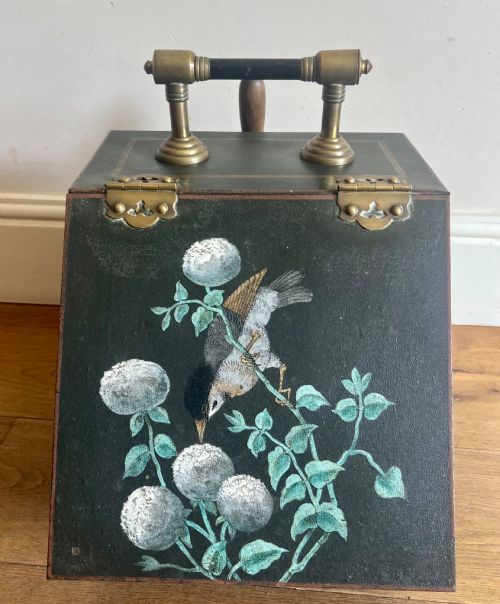


Japanned Metal Box
A japanned metal box is a durable container finished with glossy black or dark resin varnish, prized for protecting precious legal papers, wigs and military kit.
Japanned Metal Box
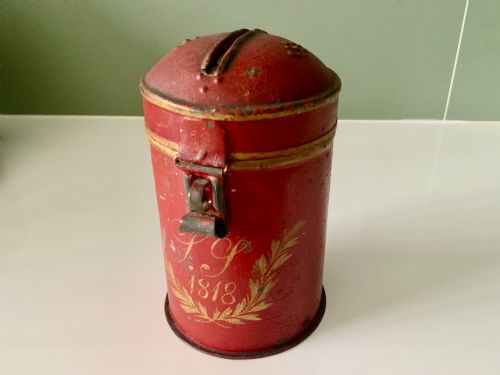
When you search for a japanned metal box, you uncover a utilitarian category spanning the Georgian, Victorian and early twentieth-century periods. These containers served specific domestic, legal and military functions rather than sitting about purely for decoration.
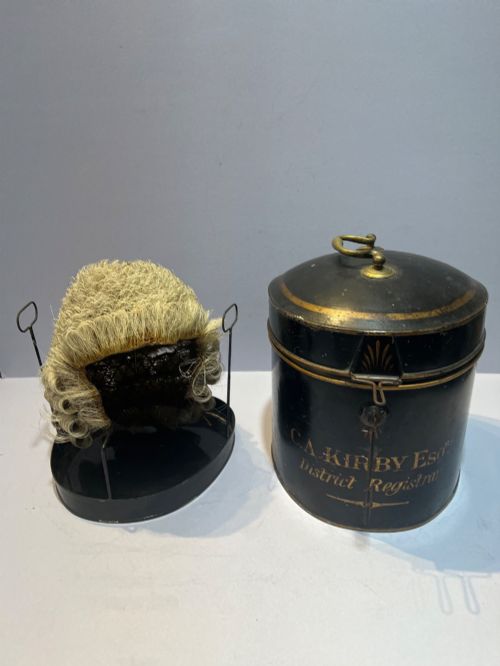
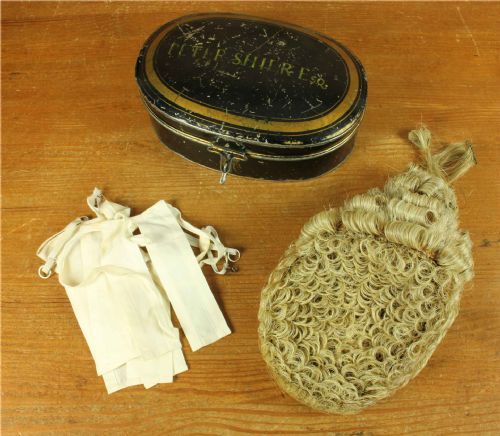
The versions you are most likely to meet on this page take the form of solicitor document tins, military hat and cap boxes, wig cases and toleware storage tins. Many bear traces of their original administrative or naval life through painted lettering or crests.
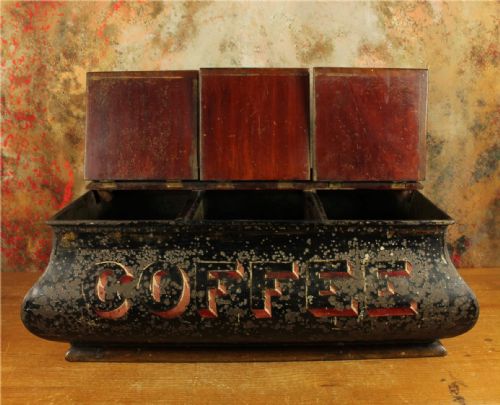
Forms range from small spice boxes and tobacco tins to large coal scuttles and log boxes fashioned from sheet iron or toleware. They show the heavy graft of everyday storage across English households, offices and barracks.
How they were made
These pieces rely primarily on sheet iron or tin, shaped and folded into rigid containers designed to withstand heavy daily use. Toleware items employ lacquered metal substrates that receive multiple coats of dark varnish.
Surface decoration frequently involves hand painting, particularly visible on folk art barge wear pieces and tobacco boxes. Makers applied varnishes and pigments over metal bases, sometimes incorporating horsehair stuffing inside specialised compartments like wig cases.
Japanned Metal Box Retail Price Guide 2026
Typical asking prices for japanned metal box among the pieces listed under this phrase on Sellingantiques today, from the lower quarter to the upper quarter. They describe what is for sale here now, not the wider market.
Listings feature items from the Georgian, Victorian, and early twentieth-century periods, including the year nineteen-thirty.
What varies in quality
The distinction between ordinary utility items and superior examples lies in the integrity of the painted surface and the survival of original lettering. Pieces bearing crisp hand-painted script or professional maker stamps carry greater historical weight than plain industrial survivors.
Structural heft and the preservation of original brass fittings or interior linings also dictate the standing of an individual piece. Finer examples retain their deep lustrous japanned finish without extensive flaking to the metal beneath.
Eade And Son·Ravenscroft Law·Peter Shier
The Japanned Metal Box Glossary
- Japanned
- Metal or wood finished with a hard, glossy black or dark varnish that imitates traditional Asian lacquer. This coating provided robust resistance to moisture and wear.
- Toleware
- Painted or lacquered tinplate and sheet metal objects produced in various European centres. The technique creates a smooth, durable decorative surface.
- Legal Collectables
- Historical items associated with the administration of law, such as solicitor document tins and barrister wig cases. They often feature painted owner names or office locations.
Japanned Metal Box: Frequently Asked Questions
What were japanned metal boxes used for originally?
These containers served practical storage needs across offices, ships and homes. They protected legal documents, military headwear, wigs and dry goods from damp and fire.
Lawyers stored client papers in stacked solicitor tins, while sailors and officers kept caps and hats secure in dedicated metal cylinders.
How do I care for a japanned metal surface?
Keep the metal away from damp environments and direct heat sources to prevent rust and varnish flaking. Dust gently with a dry, soft cloth.
Avoid using modern chemical polishes or abrasive cleaners, which will strip the original dark finish and painted details.
Are these boxes waterproof?
While the heavy varnish and tight-fitting lids offered substantial protection against moisture, dust and pests in period offices, they are not hermetically sealed.
Their primary historical role was providing a secure, fire-retardant barrier for paper documents rather than submersion-proof storage.
How can I tell the period of a metal box?
Dating relies on construction methods, fastener types, and any painted administrative text or maker marks. Georgian and Victorian examples often feature hand-formed sheet iron and specific lettering styles.
Later twentieth-century military tins show more standardised industrial fabrication and different paint formulations.