

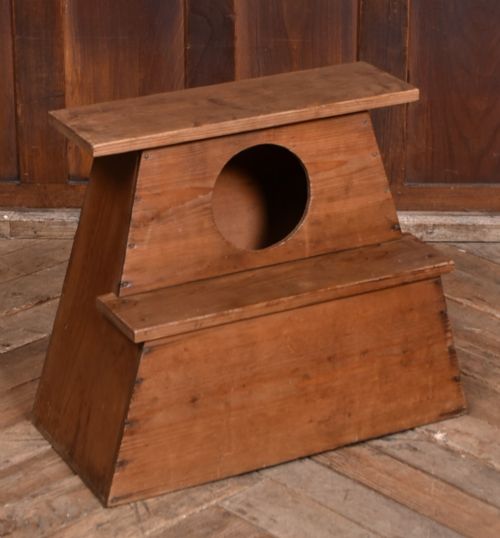
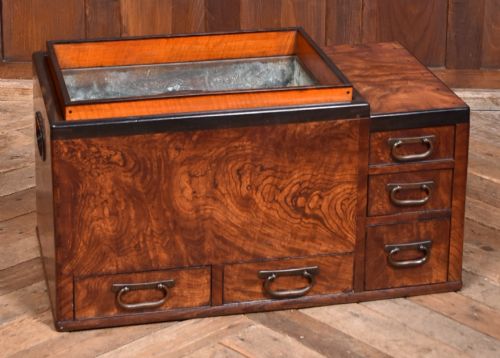


Japanese Wood Box
These japanese wood box pieces are traditional containers and storage forms crafted in historic periods, bringing authentic Far Eastern utility and craftsmanship into your home.
Japanese Wood Box
When you search for a japanese wood box, you encounter an array of traditional storage forms spanning the nineteenth century and nineteen hundred. These range from small jewellery boxes and money boxes to larger tansu chests and storage cabinets.
The pieces often feature classic regional forms such as the kodansu or zenibako. They serve practical domestic functions while displaying the distinct aesthetic sensibilities of Japanese traditional and folk art styles.
How they were made
Makers utilised native timbers like cedar, pine, and kiri wood as the primary structural foundations for these items. These woods provided the necessary durability for daily storage and transport.
Surfaces were frequently finished with lacquer, cinnabar, and gold leaf detailing, sometimes incorporating iron or other metal hardware to reinforce corners and drawers.
Japanese Wood Box Retail Price Guide 2026
Typical asking prices for japanese wood box among the pieces listed under this phrase on Sellingantiques today, from the lower quarter to the upper quarter. They describe what is for sale here now, not the wider market.
Some nineteenth century items double as figural pipe holders depicting Daruma, proving that even a humble smoke break deserved a stern historical likeness.
What varies in quality
The standard of a piece depends on the fineness of the timber preparation and the precision of the joinery used in its construction. Superior examples display seamless integration of wood panels and robust internal framing.
Decorative execution separates standard utility items from finer works, particularly in the application of lacquer and metal fittings. The complexity of the hardware and the depth of the surface finish dictate the overall grade of the object.
The Japanese Wood Box Glossary
- Kodansu
- A small Japanese cabinet or tabletop chest typically used for storing documents or valuables. These pieces often feature multiple internal drawers and fine lacquer decoration.
- Tansu
- A traditional mobile chest or storage cabinet originating from Japan, designed with integrated iron handles for transport. They were utilised for clothing, documents, and general household goods.
- Zenibako
- A traditional Japanese money box constructed from wood and reinforced with heavy iron fittings. Merchants used these secure containers for holding coins and currency.
- Hibachi
- A traditional Japanese heating appliance or brazier, often housed in a wooden frame. They were used for warming rooms and boiling water for tea.
- Kiri wood
- Paulownia timber prized in Japanese woodworking for its light weight and warp-resistant properties. It is frequently employed in storage boxes and cabinets to protect contents from moisture.
Japanese Wood Box: Frequently Asked Questions
What is a japanese wood box used for?
These boxes served various domestic and commercial purposes, ranging from personal storage for jewellery and tobacco to secure containers for money.
Today, they function well as decorative display pieces or practical organisers for small household items.
How do I date a japanese wood box?
Dating relies on identifying period characteristics, construction techniques, and materials associated with nineteenth century production or the year nineteen hundred.
Examining the type of hardware, timber preparation, and lacquer styles helps place the object within the Edo or Meiji periods.
Are these boxes made of solid wood?
Many of these containers utilise solid timbers such as cedar, pine, and kiri wood for their primary construction.
Makers frequently applied surface finishes like lacquer or gold leaf over the wooden core to enhance durability and appearance.
How do I care for lacquer finishes?
Lacquer surfaces require gentle maintenance, keeping them away from direct sunlight and extreme fluctuations in temperature.
Dusting with a soft, dry cloth preserves the integrity of the finish without scratching the delicate surface.