




Japanese Ceramic Art
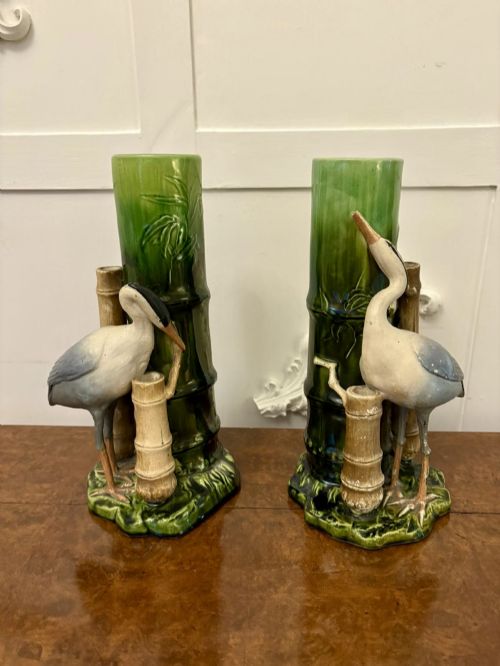
Japanese ceramic art spans vibrant Imari plates and textured Sumida Gawa vases from the late nineteenth and early twentieth centuries, prized for cabinet display.
Japanese Ceramic Art
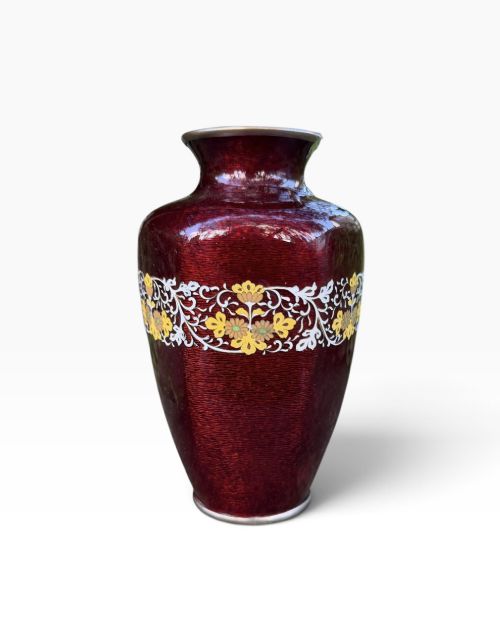
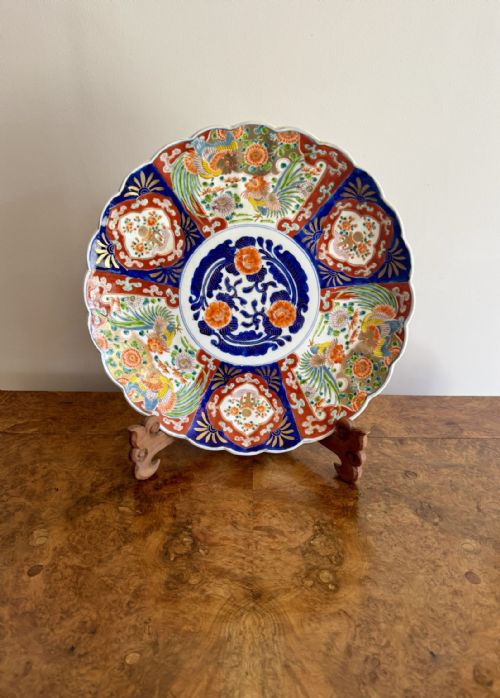
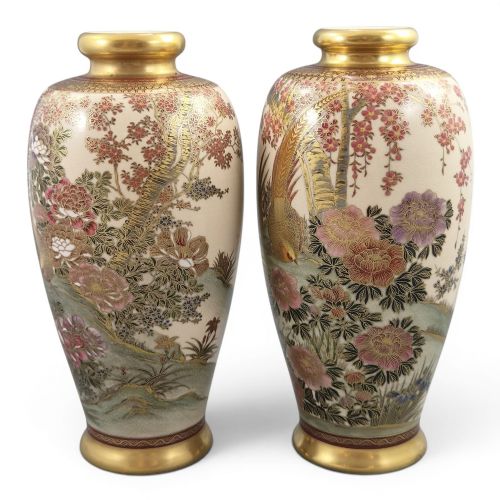
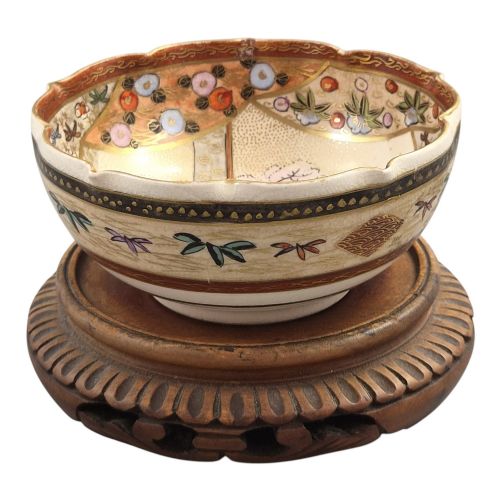
Japanese ceramic art encompasses vessels, plates, and figures originating primarily from the Meiji and Taisho periods, alongside late nineteenth century works. Buyers encounter items ranging from dense porcelain Imari chargers decorated with cobalt blue and iron red to earthenware Satsuma wares finished with fine enamel and gilding.
How they were made
Potters shaped clay, porcelain, and stoneware bodies before applying layered glazes, underglaze pigments, and overglaze enamel colours. Many pieces incorporate raised details, gold leaf, and copper accents to build intricate surface textures.
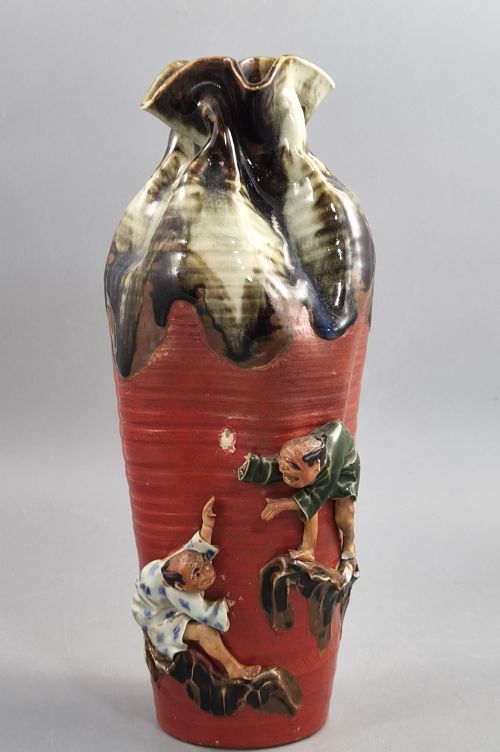
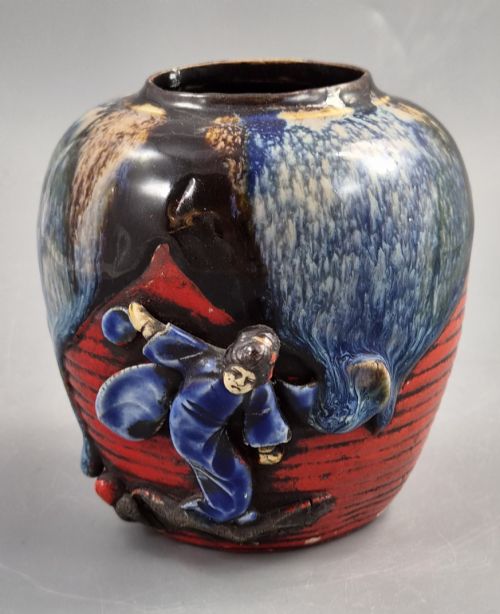
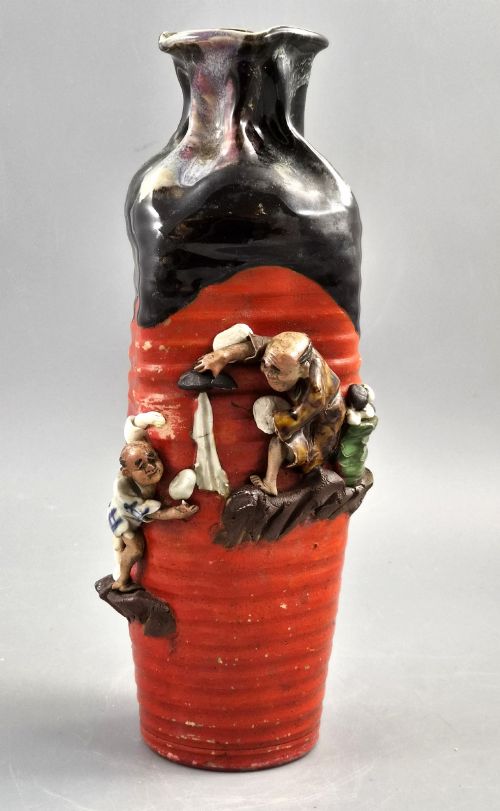
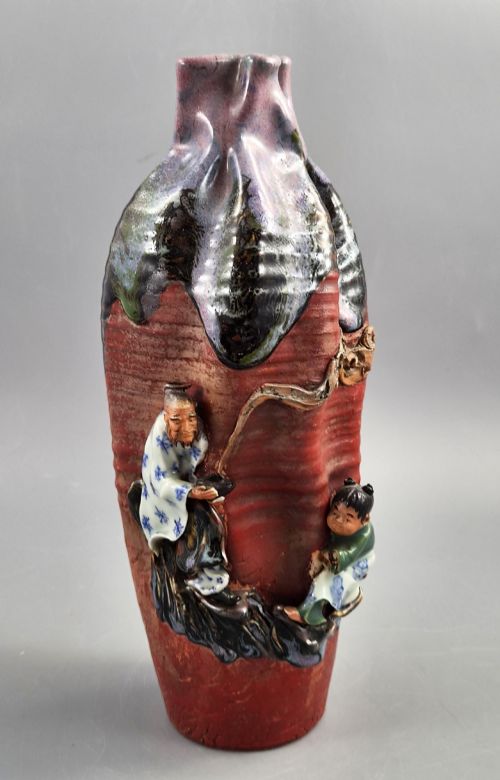
Specialised techniques defined specific workshops, such as the distinctive drip glazes on Sumida Gawa pieces and the minute enamel brushwork found on Kyoto and Yokohama Satsuma wares.
Japanese Ceramic Art Retail Price Guide 2026
Typical asking prices for japanese ceramic art among the pieces listed under this phrase on Sellingantiques today, from the lower quarter to the upper quarter. They describe what is for sale here now, not the wider market.
Listings feature works created across the Meiji and Taisho periods, utilising porcelain, earthenware, enamel, and gold leaf.
What varies in quality
Quality rests upon the precision of the hand-painted brushwork, the control over complex flambe or crackle glazes, and the crispness of moulded or applied figures. Finer examples display balanced compositions and confident signatures from established makers.
Workmanship in the gilding and enamel layering distinguishes standard decorative items from exceptional artist-signed pieces produced for international exhibitions.
Inoue Ryosai·Makuzu Kozan·Kinkozan·Hotoda
The Japanese Ceramic Art Glossary
- Imari
- A style of Japanese porcelain featuring a palette of underglaze cobalt blue, iron red, and added gilding. These wares were widely exported to Europe from the Edo period onward.
- Satsuma
- An earthenware ceramic type with a fine ivory crackle glaze, typically decorated with elaborate polychrome enamels and gold. It originated in Satsuma Province and later centres like Kyoto.
- Sumida Gawa
- A distinctive type of Japanese pottery characterised by thick, dripping flambe glazes and applied figures climbing the vessel walls. Production centred around Tokyo during the Meiji and Taisho eras.
- Okimono
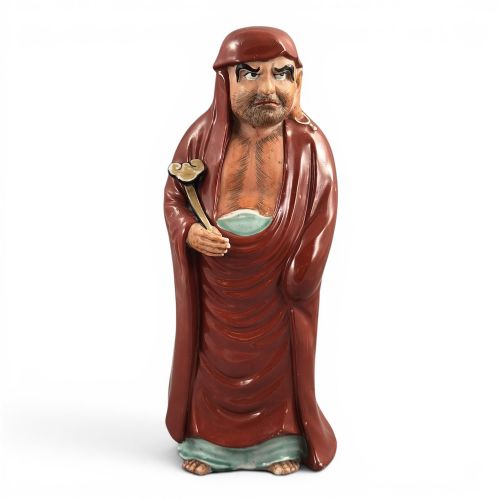
- A small Japanese freestanding carving or ceramic figure intended for display in a tokonoma alcove. They often depict deities, sages, animals, or figures from folklore.
- Kutani
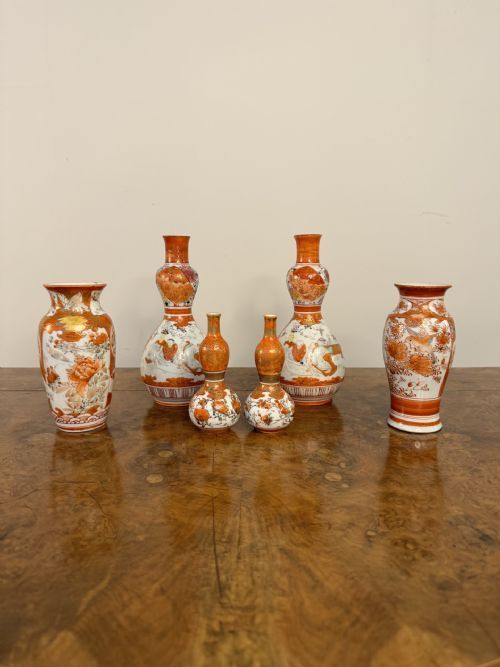
- Japanese porcelain or pottery known for bold, colourful enamel designs often featuring greens, reds, and gold. Figures and vessels from this tradition frequently represent immortals and mythical beasts.
Japanese Ceramic Art: Frequently Asked Questions
How do I identify Imari porcelain?
Imari porcelain is readily identified by its distinctive palette combining deep cobalt blue underglaze with rust red and gold highlights over the glaze.
The designs often feature dense floral patterns, landscapes, and panel motifs that cover the entire surface of plates, bowls, and vases.
What is Satsuma ware?
Satsuma ware is a type of earthenware ceramic distinguished by a pale, ivory-coloured body covered in a fine network of decorative crackle glaze.
Artisans painted these surfaces with intricate enamel scenes depicting figures, deities, and nature, frequently accentuating the details with gold.
What makes Sumida Gawa pottery unique?
Sumida Gawa pottery stands out through its rough, tactile surfaces featuring thick, dripping flambe glazes in blues, reds, and lavenders.
These pieces are further defined by sculptural figures modelled in high relief that appear to climb up the sides of the jars and vases.