




Japanese Blue Lamp
These japanese blue lamp selections are converted ceramic and enamel vessels that bring rich Far Eastern palette and centuries of kiln craft into a room.
Japanese Blue Lamp
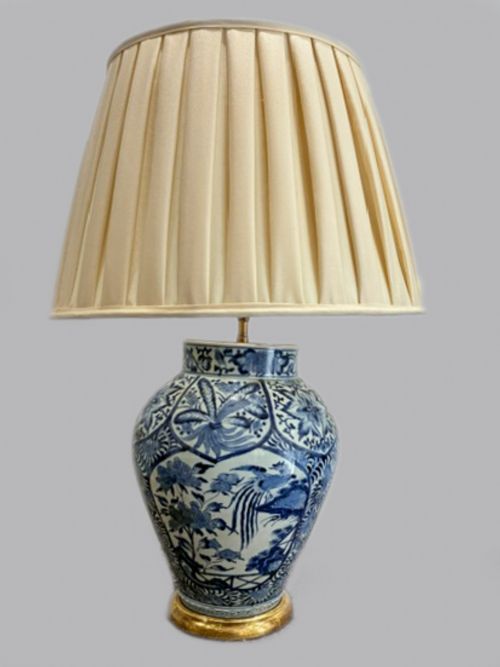
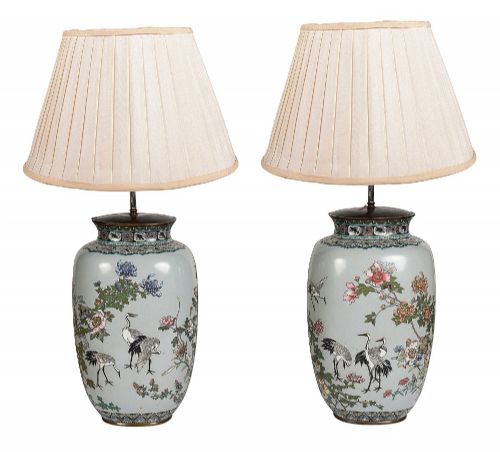
When you search for a japanese blue lamp, you encounter historical export ceramics and cloisonné enamel vessels that have been adapted into electric table lights. The selection spans the seventeenth, eighteenth, and nineteenth centuries, taking the form of Satsuma porcelain, Arita Imari, and blue and white vases.
You will most frequently meet pairs and single table lamps dating from the Meiji and Edo periods, alongside pieces dated around nineteen-ten. These objects combine traditional Asian forms with modern domestic illumination, often retaining their original vessel bodies while gaining wired fittings.
How they were made
The foundation of these pieces relies on porcelain, ceramic, and copper-bodied cloisonné enamel, shaped into vases and spill vessels. Artisans applied cobalt blue pigments underglazes, polychrome enamels, and giltwood or brass mounts to complete the structure.
Many items underwent later adaptation where electrical wiring was integrated through or around the original ceramic and brass components, paired with fabric and silk shades.
Japanese Blue Lamp Retail Price Guide 2026
Typical asking prices for japanese blue lamp among the pieces listed under this phrase on Sellingantiques today, from the lower quarter to the upper quarter. They describe what is for sale here now, not the wider market.
Some nineteenth-century artisans clearly enjoyed a challenge, turning narrow spill vases into towering lamps that demand a very tall cup of tea to contemplate.
What varies in quality
The distinction between ordinary and superior pieces rests on the crispness of the hand-painted cobalt blue or the precision of the wirework in the cloisonné enamel. Finer vessels display deep glaze saturation, balanced proportions, and careful integration of brass and giltwood mounts.
The integrity of the original ceramic body and the subtlety of the conversion work also dictate the standing of the piece within the wider range of surviving examples.
The Japanese Blue Lamp Glossary
- Imari
- A style of Japanese export porcelain decorated in underglaze blue, iron red, and gold. This palette dominates many of the eighteenth and nineteenth century vessels found on this page.
- Cloisonne
- A decorative metalwork technique where enamel paste is applied within compartments created by soldered flat wires. It appears frequently on nineteenth century vase lamps.
- Satsuma
- A type of earthenware from Japan traditionally featuring a crackle glaze and elaborate polychrome and gilt decoration. These pieces were widely produced during the Meiji period.
- Arita
- The Japanese town and surrounding region famous for producing foundational porcelain wares. Pieces from this kiln centre often form the base of early lamp conversions.
Japanese Blue Lamp: Frequently Asked Questions
Are these original lamps or converted vases?
The majority of these items began life as decorative vases, jars, or spill vessels during earlier dynasties and centuries. They were subsequently converted into table lamps by fitting electrical components to the top or base.
This adaptation process preserves the antique ceramic body while allowing the vessel to function safely as domestic lighting with fabric or silk shades.
How do I tell Edo period from Meiji period?
Edo period vessels often display the restrained blue and white or Imari palettes of the seventeenth and eighteenth centuries. They reflect earlier trade patterns and domestic Japanese aesthetics.
Meiji period pieces, dating from eighteen-eighty onwards, frequently show busier polychrome schemes, Satsuma crazed glazes, or intricate cloisonne enamel work made for Western export markets.
Where should I place a large Japanese lamp?
These tall porcelain and enamel bodies require sturdy surfaces such as heavy sideboards, large console tables, or robust desks. Their substantial height and decorated bodies make them natural focal points in a reception room.
Ensure the surrounding space complements the strong cobalt blue, gilt, or brass tones without competing with the intricate patterns on the ceramic.
What is the difference between Arita and Imari?
Arita refers to the production centre in Japan where the raw porcelain clay was mined, thrown, and fired. Imari is the port from which these Arita ceramics were shipped and became the descriptive term for the distinctive blue, red, and gold export style.
Consequently, an object can be both an Arita porcelain piece and an Imari decorated ware simultaneously.