



Jacobean Style Rack
These jacobean style rack pieces bring heavy timber presence and dark carved panels into modern rooms.
Jacobean Style Rack
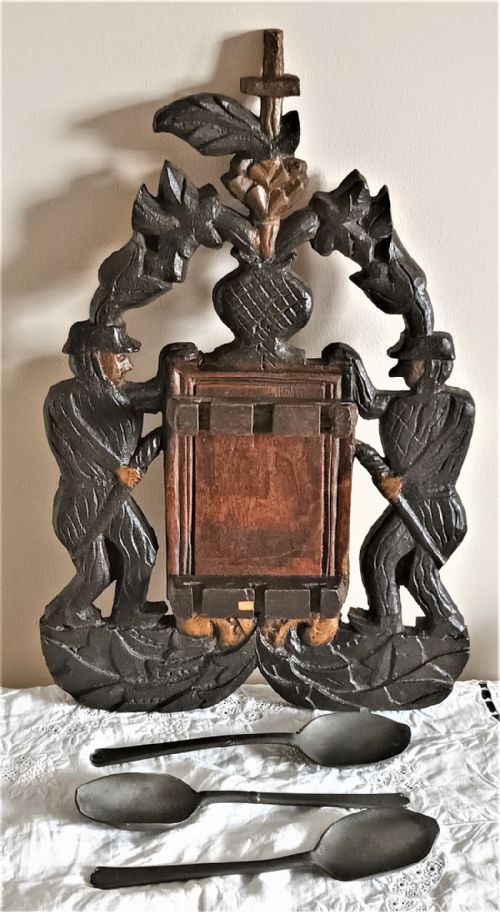
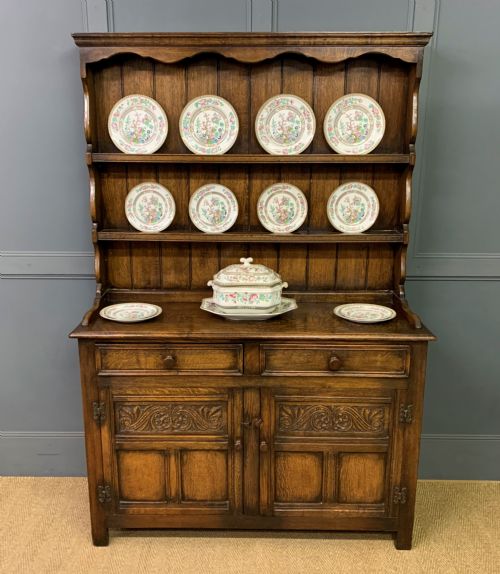
A jacobean style rack encompasses sturdy oak furniture items built with heavy proportions, typically manifested as dressers, wall shelves, and hall stands. These functional items often feature dark timber and geometric mouldings borrowed from seventeenth-century design.
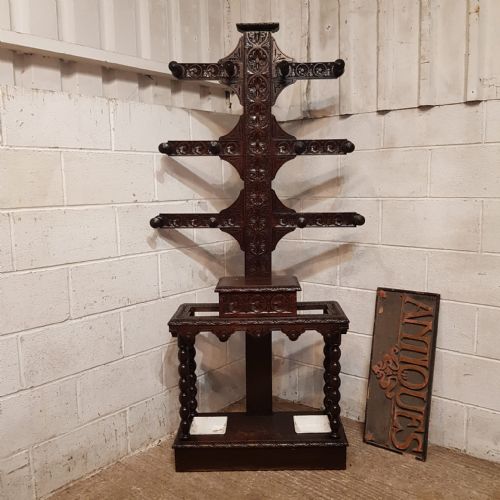
Most examples encountered on this page date from the Victorian, Edwardian, and early twentieth-century revival periods rather than the seventeenth century itself. Pieces like Ipswich oak dressers and carved hall stands dominate the selection, offering substantial storage and display surfaces.
Buyers seek these items for their robust construction and deep historical character, which anchors a room with traditional British craftsmanship. They range from simple wall-mounted plate racks to large combination dressers with lower drawers and cupboards.
How they were made
Construction relies heavily on solid oak, chosen for its durability and strong grain pattern. Workshops utilised traditional joinery methods to build heavy carcases that could support stacked plate racks and heavy base units.
Carving forms a central part of the technique, with craftsmen chiselling floral motifs, strapwork, and geometric panels directly into the timber. Metal or brass hardware such as drawer pulls and hooks are fitted securely to the dense oak frames.
Jacobean Style Rack Retail Price Guide 2026
Typical asking prices for jacobean style rack among the pieces listed under this phrase on Sellingantiques today, from the lower quarter to the upper quarter. They describe what is for sale here now, not the wider market.
Some nineteenth-century hall stands incorporate hidden zinc drip trays beneath the umbrella wells to catch muddy rainwater from Victorian boots.
What varies in quality
Quality rests upon the depth and crispness of the hand-carved ornamentation across the oak surfaces. Earlier revival pieces and bespoke workshop items display sharper chisel work and more complex geometric relief than later mass-produced variants.
The choice of timber grain and the integrity of the structural joints dictate the longevity and visual weight of the piece. Well-matched oak boards and neatly pegged joinery separate finer items from simpler utilitarian constructions.
The Jacobean Style Rack Glossary
- Jacobean Revival
- A nineteenth and twentieth-century design movement that reinterprets seventeenth-century English styles. It utilises dark oak, heavy turning, and geometric panel moulding.
- Dresser
- A kitchen or dining room storage unit featuring shelving or a rack above a base of drawers and cupboards. They serve to display ceramics while storing household goods.
- Hall Stand
- A tall hallway furniture piece combining coat hooks, a mirror, umbrella stands, and a lower storage box. They provide practical organisation near an entrance.
- Strapwork
- A carved decorative motif resembling intertwined leather bands or flat ribbons. Craftsmen use it to create formal geometric borders on wooden panels.
Jacobean Style Rack: Frequently Asked Questions
What rooms suit a jacobean style rack?
These substantial oak pieces suit dining rooms, kitchens, and large hallways where their dark timber and deep carving can anchor the space. They provide both display surfaces for ceramics and practical storage for everyday items.
Positioning them against plain walls allows the heavy proportions and architectural details to stand out without overwhelming smaller interiors.
How do I care for antique oak furniture?
Maintaining solid oak requires keeping pieces away from direct heat sources and sudden temperature shifts that can cause the heavy timber to split. Regular dusting with a dry cloth keeps the surface clean without stripping the finish.
Applying a traditional beeswax occasionally helps nourish the oak and preserves the deep lustre of the dark wood.
Are these pieces from the seventeenth century?
Most items found here date from later revival periods such as the Victorian era, Edwardian period, and the early twentieth century. Makers during these times revived seventeenth-century styles using traditional oak and heavy carving techniques.
True seventeenth-century examples appear less frequently and typically show distinct age-related wear in the timber construction.