





Jacobean Drawers on Stand
Jacobean drawers on stand combine sturdy early timber construction with raised storage, offering buyers a distinct piece of antique furniture.
Jacobean Drawers on Stand
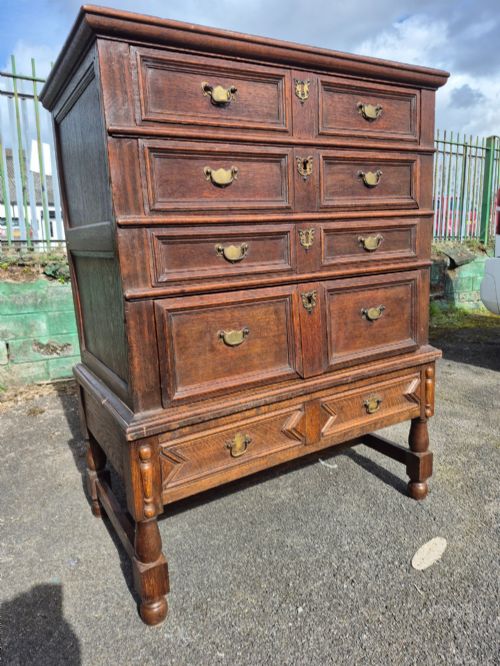
When searching for jacobean drawers on stand, buyers encounter elevated storage furniture that ranges from authentic seventeenth-century pieces to later revival items. These forms typically combine a chest or cabinet component mounted securely upon a separate supporting stand.
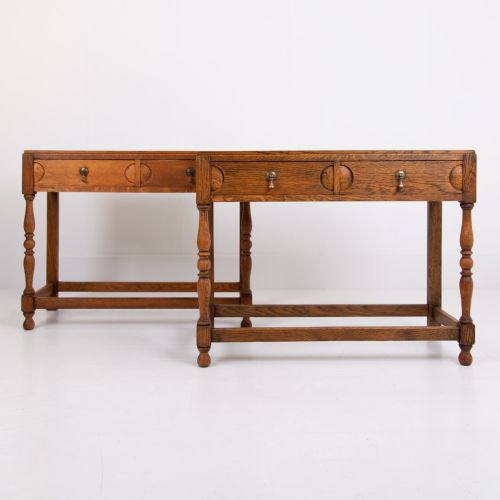
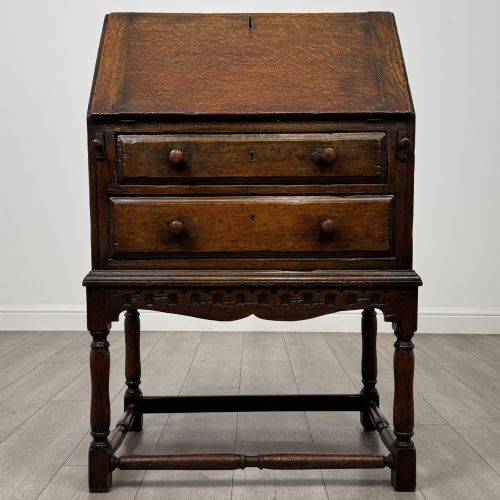
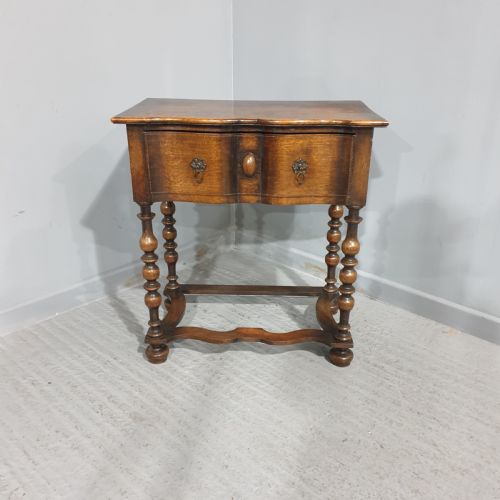
The pieces available on this page reflect both seventeenth-century origins and subsequent revival periods, including Edwardian interpretations and early twentieth-century examples. Forms vary from dedicated chests on stand to related side tables, cabinets on stand, and bureau variations.
Originating in periods associated with substantial timber craftsmanship, these items serve practical storage functions while displaying characteristic period proportions and joinery. Buyers frequently find oak utilised extensively across these varied forms.
How they were made
Master craftsmen built these pieces primarily using solid oak, often incorporating walnut details and brass hardware. Timber selection prioritised durability and structural integrity to support the raised cabinet compartments.
Construction techniques relied on traditional jointing methods appropriate to seventeenth-century work and later revival standards. Surfaces frequently display carved enrichment alongside the structural framing necessary for drawers and stands.
Jacobean Drawers on Stand Retail Price Guide 2026
Typical asking prices for jacobean drawers on stand among the pieces listed under this phrase on Sellingantiques today, from the lower quarter to the upper quarter. They describe what is for sale here now, not the wider market.
Object forms on this page include chests on stand, cabinets on stand, side tables, bookcases, and bureaux.
What varies in quality
Distinctions in quality often rest upon the fidelity of the period execution and the integrity of the timber surfaces. Pieces originating directly in the seventeenth century demonstrate different construction nuances compared to Edwardian or early twentieth-century revival interpretations.
The refinement of carved details and the preservation of original brass fittings influence the character of each piece. Structural cohesion between the upper drawer section and the supporting stand remains central to the integrity of the item.
The Jacobean Drawers on Stand Glossary
- Chest on Stand
- A storage chest elevated on a separate frame or legs. This form lifts the main drawers off the floor for easier access.
- Jacobean Revival
- A nineteenth or twentieth-century style imitating seventeenth-century British furniture design. Makers adopted earlier motifs and heavy proportions during these later periods.
- Side Table
- A small table placed against a wall. Several listings include side tables alongside elevated drawer formats.
- Bureau
- A desk featuring a sloping flap that covers storage compartments and drawers. Edwardian examples appear frequently within these listings.
Jacobean Drawers on Stand: Frequently Asked Questions
How do I date a piece?
Dating relies on examining the timber, construction methods, and hardware style. Seventeenth-century pieces display period joinery, whereas Edwardian and 1920s items show revival characteristics.
Comparing the primary wood, such as oak or walnut, alongside secondary materials like brass helps place the item within its specific period of manufacture.
Where should I place it?
These items suit hallways, studies, or living spaces where elevated storage and period character are desirable. Their compact footprint makes them versatile for smaller rooms.
Ensure the placement protects the solid timber and brass hardware from direct heat sources and excessive moisture fluctuations.
Are walnut elements common?
Walnut appears alongside oak in specific combinations across select period pieces. Timber pairing was utilised to add visual contrast to drawer fronts and surfaces.
Such combinations highlight the decorative priorities of the makers during periods like the early twentieth-century revival.