



Ivory Ceramic Vessel
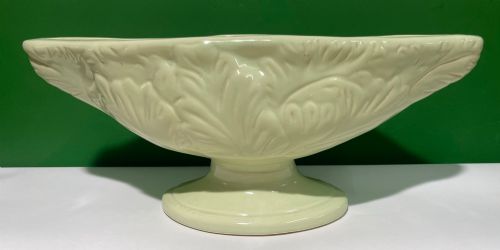
An ivory ceramic vessel brings subtle warmth and historic British artistry to a room, offering tactile porcelain surfaces shaped in the late nineteenth and early twentieth centuries.
Ivory Ceramic Vessel
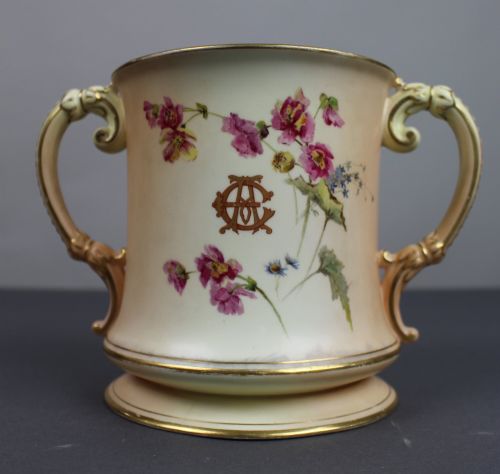
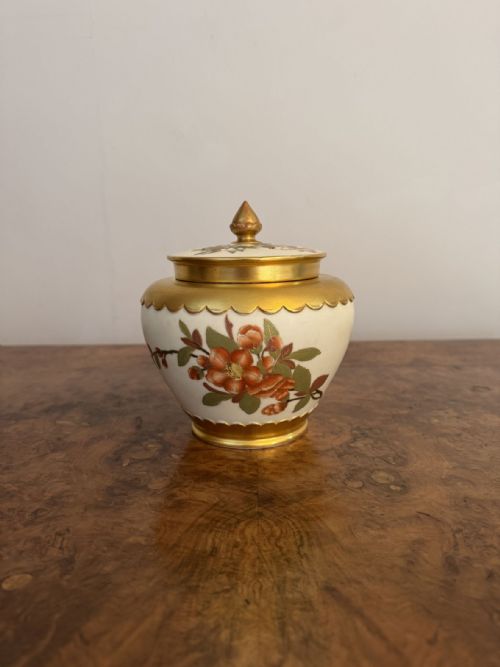
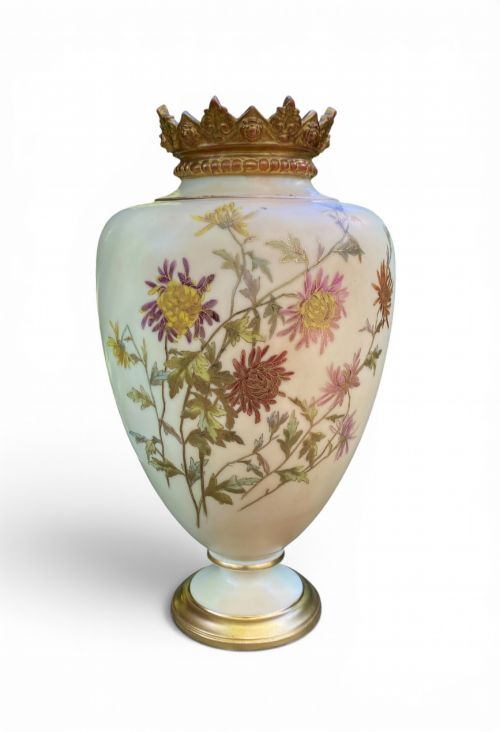
When you search for an ivory ceramic vessel, you encounter refined porcelain objects originating from the late Victorian and Edwardian eras. These pieces present soft cream or blush tones, often enriched with delicate hand-painting and gilding.
The selections available here predominantly take the form of vases, lidded potpourri pots, loving cups, and figural jardinieres. Most examples stem from the renowned Royal Worcester factory, spanning production dates from the 1870s through to the 1920s.
Buyers frequently find that these vessels reflect distinct aesthetic movements of their period. They combine classical forms with organic motifs such as chrysanthemums and rustic figures, bridging decorative utility and sculptural display.
Materials and construction
These pieces are constructed from fine porcelain, fired to achieve smooth bodies capable of holding intricate painted details. Artisans applied soft enamel colours directly onto the ceramic surface, creating subtle gradients characteristic of the blush ivory aesthetic.
Gilding and gold leaf feature prominently across handles, rims, and borders. Many items incorporate pierced or moulded elements, demonstrating advanced ceramic manipulation techniques from nineteenth and early twentieth-century British potteries.
Ivory Ceramic Vessel Retail Price Guide 2026
Typical asking prices for ivory ceramic vessel among the pieces listed under this phrase on Sellingantiques today, from the lower quarter to the upper quarter. They describe what is for sale here now, not the wider market.
One featured jardiniere depicts a young girl pausing beside a rustic fence, forever frozen in porcelain contemplation.
Judging quality and craftsmanship
Quality rests upon the delicacy of the hand-painted decoration and the precision of the modelling. Superior examples display intricate floral artistry and carefully applied gilding that enhances rather than overpowers the ceramic body.
The complexity of the form also dictates the tier of the piece. Elaborate lidded jars, figural groups, and pierced gilt handles require greater skill in both firing and finishing than standard vertical vessels.
Royal Worcester·James Hadley
The Ivory Ceramic Vessel Glossary
- Blush ivory
- A soft, matte cream ceramic finish popular in late Victorian and Edwardian porcelain. It provides a muted backdrop for hand-painted floral motifs.
- Potpourri pot
- A lidded vessel designed to hold dried scented plant materials. Perforated covers allowed fragrance to disperse gently into a room.
- Loving cup
- A large two-handled drinking vessel used traditionally for shared toasts. In ceramic form, it frequently serves a purely decorative function.
- Jardiniere
- An ornamental pot or stand designed to hold a plant or floral arrangement. These often feature figural or sculpted elements integrated into the body.
Ivory Ceramic Vessel: Frequently Asked Questions
What periods do these pieces date from?
The listings span the late nineteenth century and the early twentieth century. This includes Victorian, Aesthetic Movement, and Edwardian periods.
Production dates on these ceramic vessels frequently cluster between the 1870s and the 1920s.
How were these vessels originally used?
Many served as ornamental display items on mantelpieces and drawing-room tables. Others functioned practically as flower holders or scented potpourri jars.
Loving cups and jardinieres fulfilled both social customs and interior decoration roles in British homes.
How should I clean porcelain with gilding?
Dust the surface gently with a soft, dry brush to prevent accumulation. Avoid abrasive cloths or chemical cleaners that might damage delicate enamel and gold leaf.
Handle pierced handles and covers with care, as these areas represent the most vulnerable points of the porcelain.
What defines the blush ivory style?
The style relies on a distinctive matte cream ceramic glaze developed in the late nineteenth century. It creates a warm, understated foundation for painted botanical details.
Painters often combined this soft background with raised gilding to highlight floral forms.